Anna Wintour: Fashion Icon's Influence and Industry Critique
Anna Wintour, the enigmatic editor-in-chief of Vogue, has long been the undisputed queen of the fashion world. With her signature bob haircut, oversized sunglasses, and unflinching gaze, she has shaped trends, launched careers, and defined what it means to be stylish for over three decades. But as the fashion industry grapples with corporate excess and global unrest, voices are rising to question her role in a system many see as outdated and oppressive. In this piece, we delve into Wintour's enduring legacy while highlighting creative brands that offer a fresh, nurturing alternative—perfect for Australian readers seeking ethical style options amid a sea of fast fashion.
The Rise of Anna Wintour: From London to Global Powerhouse
Born in 1949 in London to a newspaper editor father, Anna Wintour's path to fashion royalty was anything but conventional. She began her career in the 1970s at Harper's Bazaar and quickly climbed the ranks, landing at Vogue U.S. in 1988. Under her leadership, the magazine transformed into a cultural juggernaut, blending high fashion with celebrity culture. Wintour's influence extends beyond pages; she's the artistic director of Condé Nast and a key player in the Met Gala, an event that generates millions for the Costume Institute while dazzling the world with red-carpet glamour.
Her editorial eye has spotlighted designers like Marc Jacobs and Alexander McQueen, turning them into household names. Yet, Wintour's style is often critiqued as elitist—favoring slim, white models and luxury labels tied to conglomerates like LVMH and Kering. As Bernard Arnault, LVMH's CEO, rubs shoulders with political figures at events like Trump's inauguration, the disconnect between fashion's opulence and real-world crises becomes stark. In Australia, where sustainable and inclusive fashion is gaining traction, Wintour's world feels increasingly remote.
Critiquing the Conglomerate Crush
The 2020s have been a wake-up call for fashion. Runway spectacles from talents like Daniel Roseberry at Schiaparelli and Jonathan Anderson at Dior dazzle with couture innovation, but they're sandwiched between news of geopolitical turmoil. Wintour's Vogue has covered these shows extensively, yet the industry's hamster wheel—endless growth, overproduction, and creative burnout—persists. Critics argue that Wintour, as a gatekeeper, perpetuates a system where small designers struggle against billionaire-backed giants.
Enter the 'Fat Anna Wintour' moniker from indie publications like Polyester Zine, a playful yet pointed jab at the industry's squeeze on creativity. It's a call to action: if we're disillusioned by the ass-licking parade of wealth, it's time to redirect our dollars to passionate makers. For Aussies, this resonates with our growing love for local, ethical brands amid rising fast-fashion backlash.
Nurturing Creative Brands: Alternatives to the Mainstream Machine
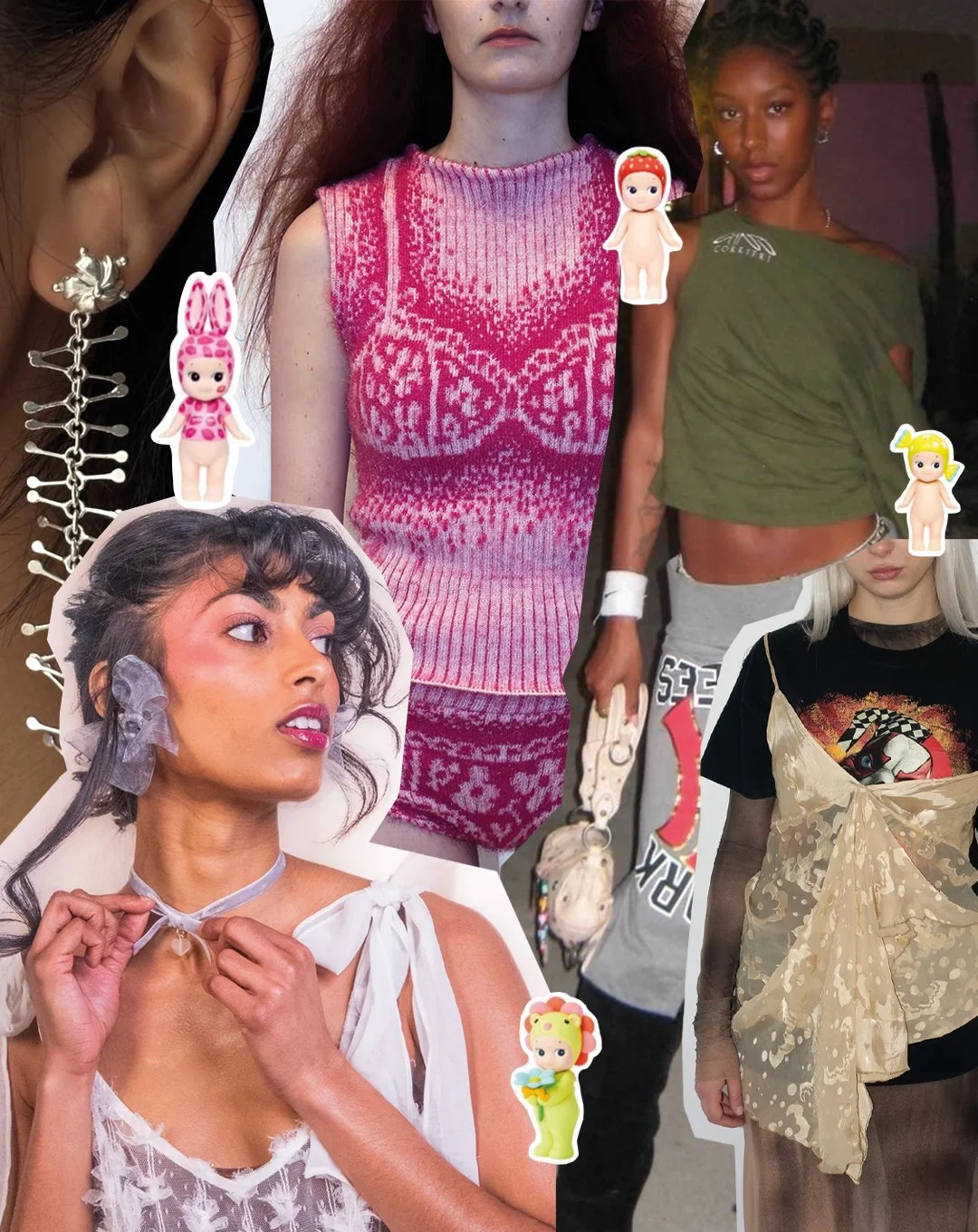
Inspired by voices like Anastasia Vartanian's essay in Polyester Zine, let's spotlight emerging designers who embody heart over hustle. These brands prioritize sustainability, inclusivity, and innovation, offering a counterpoint to Wintour's glossy empire.
Kenza Iatrides: Coquette Punk for the Chronically Online
Paris-based Kenza Iatrides blends hyper-feminine whimsy with edgy twists. Her bio declares 'coquette punk,' capturing Gen Z's love for the weird and wonderful. Garments feature spray-painted lingerie patterns and sun-burnt tan line illusions, crafted in-house with vintage lingerie and deadstock fabrics. Collaborations like knits with Tati Things make it a win for supporting multiple small businesses. For Australian shoppers, her pieces add a playful edge to festival wardrobes, available via international shipping.
Haus Dahlia: Goddess Vibes for Curvy Queens
Founder Emma's Haus Dahlia is a bias-confirmed gem—I've seen friends glow in their 100% silk dresses, evoking ancient Greek elegance. Tailored for curvy women tired of fashion's exclusions, these aren't fast-fashion cheap; they're quality investments. Priced accessibly for heirloom-worthy pieces, Haus Dahlia challenges the industry's size biases that Wintour's era helped normalize. In Australia, where body positivity movements thrive, this brand feels like a natural fit.
Mo. Na. Gems: Eco-Chic Accessories That Don't Sacrifice Style
For those craving sweet, plastic-y charms without the environmental guilt, Mo. Na. Gems delivers. New York designer Mecca McDonald crafts biodegradable bioplastics from potato starch, in vibrant colors that scream adorable. Ditching the 'sustainable = beige' myth, these gems prove planet-friendly fashion can be fun. Aussie eco-warriors will appreciate the low-impact ethos, especially as we push for greener imports.
Hadiyah Hussain: Sensual Prints Celebrating Heritage
Handmade in London, Hadiyah Hussain's ruched fabrics and heritage-inspired prints hug curves beautifully. As a curvy designer herself, she ensures mid-size and plus-size women aren't afterthoughts. Rich hues like royal blue and fuchsia draw from Pakistani roots, offering sensual, empowering looks. For diverse Australian wardrobes, her pieces bridge cultural storytelling with modern sensuality.
Middaia: Timeless Jewelry with Ancient Techniques
Parisian Middaia's silver jewelry, like lace-modeled rings, fuses futuristic and ancient vibes via the lost-wax method—sculpting wax, molding, melting, and casting molten metal. Each piece feels artisanal and eternal. In a Wintour-led world of fleeting trends, Middaia's delicacy offers lasting elegance for collectors Down Under.
Gina Corrieri: Upcycling for an Uncanny Future
The coolest upside-down tees come from Gina Corrieri, who upcycles vintage and deadstock into uncanny gems—like skirts from football tops. This zero-waste approach envisions a future without new production, speaking volumes in our climate-conscious era. Australian upcyclers will find inspiration in her sustainable reinvention.
Why Support These Brands? A Call for Change
Anna Wintour's influence is undeniable—she's made fashion a global language. But as the industry faces scrutiny for its role in inequality and excess, nurturing indie talents like these is essential. In Australia, with events like Mercedes-Benz Fashion Week Sydney emphasizing ethics, funneling support to small makers combats the conglomerate crush. Whether you're a curvy creative or an eco-enthusiast, these brands promise style with soul.
Put your money where your mouth is: follow, shop, and amplify. The fashion promise of 2024 isn't in couture horrorshows—it's in the passionate underdogs ready to redefine beauty.
