Introduction: A Master of Cinematic Spectacle
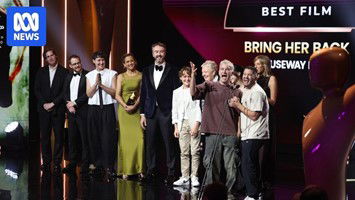
Baz Luhrmann, the enigmatic Australian director whose name evokes vibrant visuals and pulsating soundtracks, has long been a cornerstone of global cinema. Born Mark Anthony Luhrmann on September 17, 1962, in Sydney, this visionary filmmaker has blended high-energy storytelling with cultural flair, earning him a reputation as one of Australia's most exported creative exports. As the 2026 AACTA Awards recently spotlighted the dominance of local productions like The Narrow Road to the Deep North and Bring Her Back, Luhrmann's legacy feels more relevant than ever. His work not only paved the way for such successes but continues to inspire a new generation of Aussie talents navigating the streaming era.
Luhrmann's films are not mere movies; they are immersive experiences that challenge conventions and celebrate the theatrical. From his debut feature Strictly Ballroom to the Oscar-nominated biopic Elvis, his oeuvre reflects a deep-rooted passion for performance, romance, and reinvention. In an industry where streaming giants like Prime Video and Netflix now drive 73% of TV drama investment—according to Screen Australia's latest report—Luhrmann's influence underscores the importance of bold, original Australian narratives.
Early Life and the Birth of a Director
Growing up in the rural New South Wales town of Herons Creek, Luhrmann was immersed in a world far removed from the glitz of Hollywood. His father ran a gas station and cinema, exposing young Baz to the magic of movies from an early age. This eclectic upbringing, combined with studies at the National Institute of Dramatic Art (NIDA) in Sydney, shaped his multifaceted approach to filmmaking. Luhrmann didn't just direct; he acted, wrote, and produced, honing a style that fused opera, ballet, and rock 'n' roll.
His theatrical roots are evident in his early career. Luhrmann co-founded the Australian theatre company The Bell Shakespeare Company and directed operas like La Bohème for the Australian Opera. These experiences informed his cinematic debut, laying the groundwork for what would become known as the 'Red Curtain Trilogy'—a series of films that prioritize stylized storytelling over realism.
Debut Triumph: Strictly Ballroom (1992)
Luhrmann's first feature, Strictly Ballroom, burst onto the scene at the 1992 Cannes Film Festival, where it charmed audiences with its whimsical tale of a rebellious ballroom dancer (Paul Mercurio) defying federation rules to dance his own steps. Produced on a modest budget of AUD 5 million, the film grossed over AUD 80 million worldwide and snagged eight AFI Awards, including Best Director for Luhrmann. It was a love letter to Australian culture—sardonic humor, vibrant costumes, and a soundtrack blending pop and waltzes—that captured the nation's spirit. This success not only launched Luhrmann internationally but also highlighted the potential of low-budget Aussie films to compete globally, a theme resonant with today's AACTA darlings like Jacob Elordi's war drama.
The Red Curtain Trilogy: Revolutionizing Romance
The 'Red Curtain' era defined Luhrmann's early stardom, with each film framed by artificial 'rules' to heighten drama. Following Strictly Ballroom, William Shakespeare's Romeo + Juliet (1996) reimagined Shakespeare's tragedy in a neon-lit, gun-toting Verona Beach. Starring Leonardo DiCaprio and Claire Danes, the film blended Elizabethan verse with modern visuals, earning two Academy Award nominations and over USD 147 million at the box office. Luhrmann's innovative use of color, music (think Radiohead's haunting score), and rapid editing created a visceral, MTV-inspired romance that influenced a generation of directors.
The trilogy culminated in Moulin Rouge! (2001), a decadent musical set in 1899 Paris. With Ewan McGregor and Nicole Kidman belting out mashups like 'Elephant Love Medley,' the film was a sensory overload of opulence and tragedy. It won Luhrmann his first Oscar for Best Art Direction and grossed USD 179 million. Critics praised its audacity, though some called it excessive—much like the bold horror Bring Her Back that swept 10 AACTA Awards in 2026. Luhrmann's trilogy proved that Australian filmmakers could tackle universal themes with unique flair, boosting the local industry's confidence amid rising streaming quotas mandating 10% local content spend.
Hollywood Heights and Beyond
Post-trilogy, Luhrmann ventured into epic adaptations. Australia (2008), starring Nicole Kidman and Hugh Jackman, was a sweeping romance set against WWII's backdrop, echoing the historical depth of The Narrow Road to the Deep North. Though mixed reviews tempered its success, it celebrated Indigenous stories and Australia's vast landscapes, grossing USD 211 million.
The 2010s brought The Great Gatsby (2013), a lavish retelling of F. Scott Fitzgerald's novel with Leonardo DiCaprio as Jay Gatsby. Luhrmann's 3D spectacle, featuring Luhrmann's wife Catherine Martin’s Oscar-winning costumes, earned USD 353 million and two Academy Awards. It showcased his mastery of excess, mirroring the opulent sets that define his style.
His most recent triumph, Elvis (2022), biographed the King of Rock 'n' Roll through Austin Butler's electrifying performance. Directed with Luhrmann's signature verve—fast cuts, immersive sound design—it garnered eight Oscar nominations, including Best Picture, and won for Butler's makeup. The film highlighted Luhrmann's ability to humanize icons, much like director Justin Kurzel's poignant take on WWII love in The Narrow Road, which nabbed nine AACTAs.
Influence on Australian Cinema Today
Luhrmann's impact extends beyond his films. As streaming platforms pour AUD 238 million into local TV drama, his advocacy for Australian stories aligns with recent policies requiring platforms to allocate 7.5% of revenue to homegrown content. Collaborations with stars like Odessa Young (from The Narrow Road) and emerging talents echo Luhrmann's nurturing of actors like DiCaprio. At events like the AACTAs, where The Narrow Road dominated with wins for Elordi and its ensemble, Luhrmann's shadow looms large—reminding us that bold visions from Down Under can conquer the world.
Legacy and Future Prospects
At 61, Baz Luhrmann shows no signs of slowing. Rumors swirl of a potential Moulin Rouge! sequel or a new project exploring Indigenous narratives, further cementing his role in evolving Australian cinema. His productions have collectively grossed over USD 1.5 billion, but his true legacy lies in empowering local talent amid global competition.
In the wake of AACTA 2026's celebrations—where horror and historical dramas reigned—Luhrmann stands as a beacon. He proves that from rural screenings to red carpets, Australian stories, told with unapologetic flair, can resonate universally. As the industry eyes more streamer-backed epics, Luhrmann's red curtain continues to rise.