As the vibrant celebrations of Lunar New Year draw near, many Asian Australian families are gearing up for cherished annual gatherings. While this two-week cultural festival is synonymous with family reunions, new beginnings, and joyous connections, it can also present a unique set of challenges, particularly concerning family expectations and mental health. Experts are offering crucial advice to help navigate these complexities and ensure a more harmonious and fulfilling celebration.
The Dual Nature of Lunar New Year Celebrations
Lunar New Year, also known as the Spring Festival, is a period rich with tradition and cultural significance for billions worldwide. In Australia, it's a time when communities come together to honour their heritage. However, the increased family time, often a highlight for many, can inadvertently become a source of stress and reawaken old tensions.
Maria Cassaniti, manager of the NSW government's Transcultural Mental Health Centre in western Sydney, highlights this duality. "Lunar New Year, similar to other events for different communities… is a time of excitement and celebration for many, but we also know that these kinds of events… can come with [their] own stress," she explains. While mental health awareness has grown significantly across multicultural communities in recent years, the specific pressures during cultural events like Lunar New Year remain a pertinent topic.
Navigating Generational Differences and Personal Questions
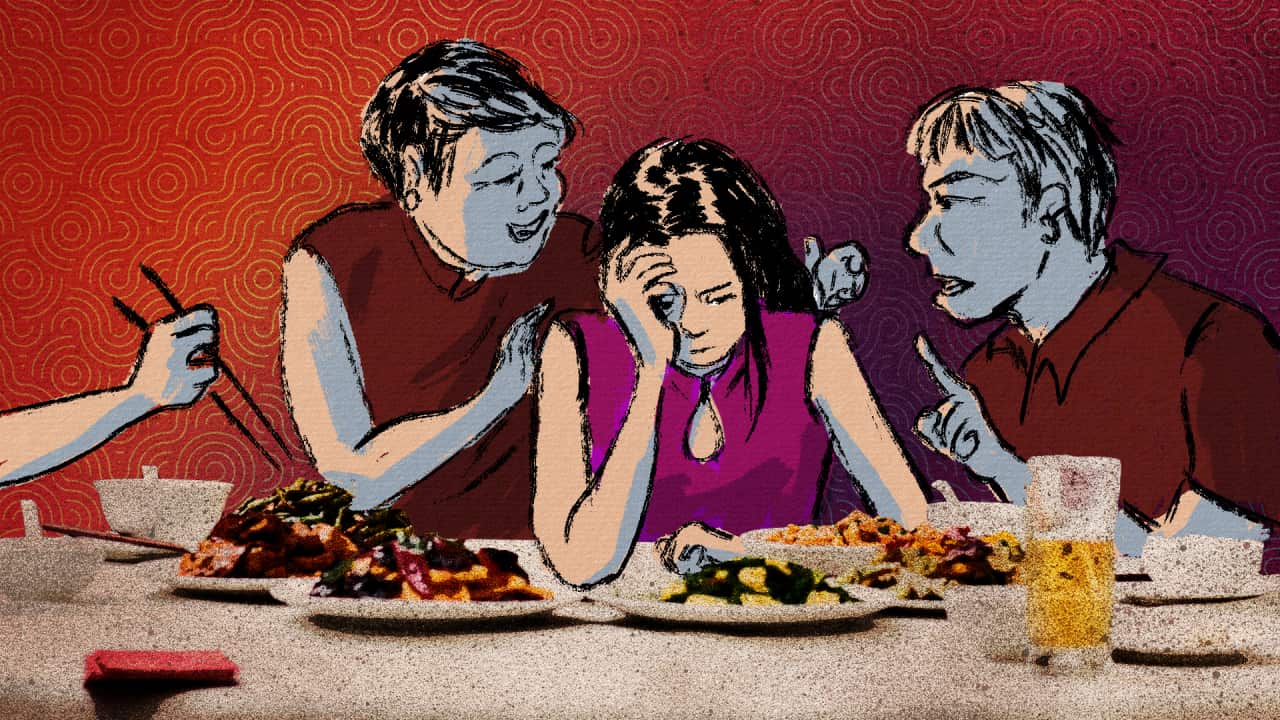
For many young Asian Australians, the Lunar New Year experience can be a delicate balancing act. As they grow up in a multicultural environment, their values and perspectives may diverge from those of older generations who were raised in Asia. This can lead to friction, particularly when it comes to personal matters.
Coping with Unsolicited Advice and Expectations
Sydney-based psychologist Christopher Tran, who specialises in multicultural mental health, notes that generational disputes are common within many Asian Australian families. "There's a bunch of things in Asian cultures that don't necessarily make things difficult, but it's interesting when it interacts with the culture we have here [in Australia]," he tells SBS News. A frequent source of discomfort for his clients are the "personal questions" and comments from family members regarding marriage, career progression, and other life choices. These can feel intrusive and add undue pressure.
Strategies for a Healthier Lunar New Year
To mitigate the stress and enhance the joy of the festival, mental health professionals recommend proactive strategies:
1. Prepare and Set Boundaries
Cassaniti suggests preparing for potential conversations, especially those initiated by senior relatives. Anticipating common questions can help you formulate responses and maintain composure.
2. Practice Self-Soothing
Veronica Ing, another Sydney-based psychologist, advises practising self-soothing exercises before family gatherings. This can help achieve a calmer state of mind, increasing your tolerance for potentially uncomfortable interactions. "Coming in with a higher tolerance means that you're more able to deal with any emotional triggers while you're in the presence of your family," she notes.
3. Time-Limit Engagement
Tran suggests setting a time limit for family engagements. Having a pre-planned excuse to leave on time, such as a prior commitment or a follow-up event, can provide a sense of control and an exit strategy. "The general thing is just remembering that: 'my parents or my uncles and aunties, they carry their own values, their own anxieties, I carry my stuff. I'm allowed to choose how much I let in of this,'" he advises. He likens it to "clicking away" the spotlight when it shines too brightly on you.
4. Choose Your Company
Importantly, Cassaniti, Ing, and Tran emphasise that individuals have the right to choose whom they spend their Lunar New Year with. Not every family gathering needs to be attended, and prioritising your own wellbeing is paramount.
Addressing Loneliness and Homesickness
While some Asian Australians grapple with family dynamics, others, particularly international students and first-generation migrants, may experience loneliness and homesickness. Being away from their home country during a significant cultural celebration can amplify feelings of isolation. Connecting with community groups, participating in public Lunar New Year events, or reaching out to friends can help combat these feelings.
Embracing a Balanced Celebration
Lunar New Year remains a cherished occasion for cultural expression and familial connection. By understanding the potential challenges and implementing these expert-backed strategies, Asian Australians can foster healthier family interactions, set appropriate boundaries, and prioritise their mental wellbeing, ensuring a more positive and enriching celebration of the Lunar New Year.

