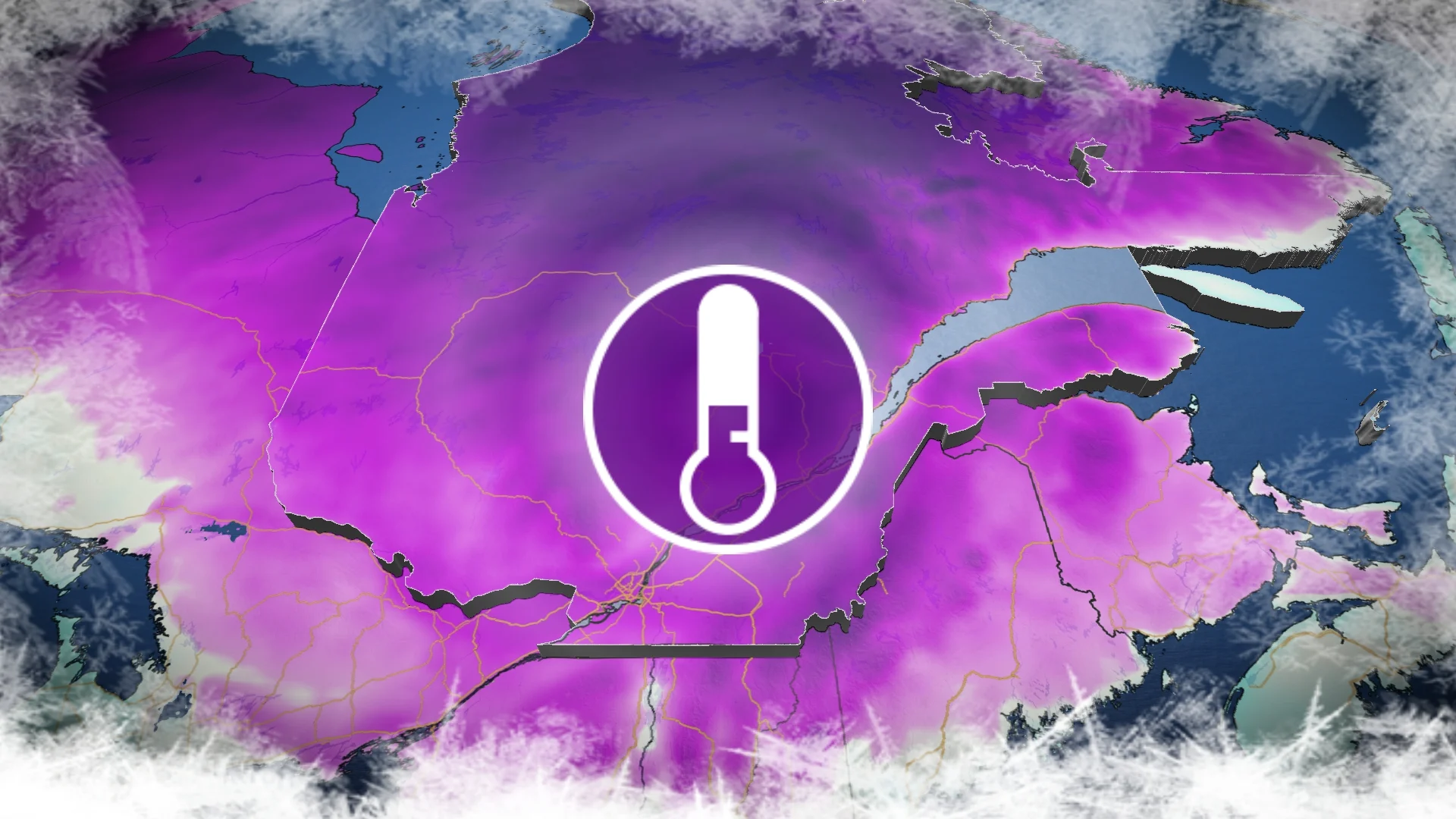
Quebec Prepares for an Extreme Cold Front
The province of Quebec is bracing for a significant drop in temperatures this weekend, with Montreal potentially experiencing its coldest weekend in 45 years. The arrival of an Arctic air mass is expected to bring subzero temperatures that could set new records and pose risks to residents.
The Heart of the Cold
The extreme cold is part of a descent of Arctic air that initially moved over the Prairies and Ontario before sliding into Quebec. While temperatures began to fall on Friday, the most intense cold is expected on Saturday. In the southern parts of Quebec, temperatures may struggle to rise above -20°C, further exacerbated by moderate winds that could push wind chill values below -30°C.
Historic Cold in Montreal
If the average maximum temperatures recorded on Saturday and Sunday in Montreal remain at -20°C or lower, it would mark the coldest weekend in the city since January 1981. This would be a remarkable feat, as it has been 45 years since Montreal last experienced such a prolonged period of extreme cold during a weekend.
A Rare Weather Event
To put this into perspective, the last time Montreal saw a full day with temperatures not rising above -20°C was January 6, 2018. This weekend, however, could see two consecutive days of such frigid conditions. By Sunday evening, a weather system is expected to begin moving over the province, which may lead to a moderation in the extreme cold. Nonetheless, temperatures are likely to remain below seasonal norms until early February.
Impacts and Precautions
The extreme cold can have significant impacts on both infrastructure and public health. Residents are advised to take necessary precautions to protect themselves from the cold, including dressing in layers, limiting time outdoors, and ensuring that heating systems are in good working order. Additionally, those with vulnerable populations, such as the elderly or young children, should take extra care to stay warm and safe.
Wind Chill and Frostbite
The wind chill factor can make the air feel much colder than the actual temperature, increasing the risk of frostbite and hypothermia. It is essential to monitor weather updates and follow guidelines provided by local authorities to stay safe during this period of extreme cold.
Historical Context
Extreme cold events like this are not uncommon in Quebec, but their intensity and duration can vary significantly. The last time Montreal experienced a weekend as cold as what is expected this coming weekend was in January 1981. This historical context highlights the rarity of such events and the importance of being prepared for them.
Climate Patterns and Future Expectations
Weather patterns in Quebec are influenced by various factors, including Arctic air masses and polar vortexes. As climate patterns continue to evolve, it is essential for residents to stay informed about potential weather extremes and how they might impact daily life. Meteorologists and climate scientists are closely monitoring these patterns to better predict and prepare for future weather events.
Conclusion
As Quebec prepares for this extreme cold front, it is crucial for residents to stay informed and take necessary precautions. The potential for record-breaking cold temperatures underscores the need for vigilance and preparedness. By staying aware of weather updates and following safety guidelines, residents can navigate this period of extreme cold safely and effectively.