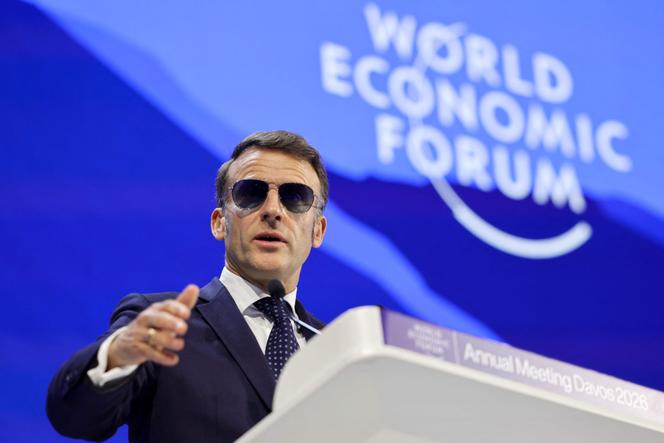
Emmanuel Macron's Davos Address: A Strategic Blueprint for Global Challenges
In a highly anticipated speech at the World Economic Forum in Davos, French President Emmanuel Macron delivered a compelling message that resonated across the globe, particularly in the UK. His address, which touched on pressing issues such as climate change, economic stability, and international cooperation, underscored France's commitment to leading global efforts toward a sustainable and prosperous future.
Climate Leadership: A Central Theme
Macron’s speech emphasized the urgency of addressing climate change, calling for ambitious policies to accelerate the transition to renewable energy. He highlighted France’s role in fostering international collaboration to meet the targets set by the Paris Agreement. The UK, which has been at the forefront of climate action, found Macron’s proposals particularly relevant, especially as both nations continue to navigate post-Brexit environmental regulations.
Economic Resilience and Trade
The French president also addressed the need for robust economic policies to counter the effects of global inflation and supply chain disruptions. Macron advocated for a more inclusive trade system that benefits smaller economies while maintaining high standards for labor and the environment. This stance aligns with the UK’s efforts to reshape its trade relationships post-Brexit, making Macron’s insights a point of interest for policymakers in London.
UK Perspectives: A Shared Vision for the Future
The UK has been closely watching Macron’s presidency, with many seeing him as a progressive leader in Europe. His Davos address reinforced this perception, as he called for stronger European unity in the face of geopolitical challenges. For the UK, which is still defining its role in a changing Europe, Macron’s emphasis on cooperation could signal new opportunities for collaboration.
Digital Sovereignty and Innovation
Another key topic was digital sovereignty, with Macron urging nations to balance technological innovation with ethical considerations. The UK’s tech sector, which is rapidly growing, may find Macron’s proposals on data protection and digital rights management particularly pertinent. As both countries seek to establish themselves as leaders in the digital economy, shared frameworks could pave the way for future partnerships.
Global Governance and International Relations
Macron’s speech also delved into the complexities of global governance, stressing the need for multilateralism in addressing conflicts and humanitarian crises. The UK, with its extensive diplomatic network, may see Macron’s vision as a blueprint for strengthening alliances and fostering global stability. His call for a reformed United Nations reflects a shared desire for more effective international institutions.
Social Cohesion: A Priority for Macron
Beyond economic and geopolitical issues, Macron addressed social cohesion, highlighting the importance of policies that promote equality and social mobility. This resonates with the UK’s ongoing debates about social welfare and the impact of austerity measures. As both nations grapple with socioeconomic disparities, Macron’s emphasis on inclusive growth offers a potential model for future policy-making.
The Road Ahead: Collaboration and Challenges
As the world faces an era of unprecedented challenges, Macron’s Davos speech serves as a reminder of the power of collective action. For the UK, Macron’s leadership provides a framework for engaging with global issues in a manner that is both pragmatic and visionary. The coming months will undoubtedly bring opportunities for both nations to collaborate on initiatives that could shape the future of international relations.
In an increasingly interconnected world, Macron’s message from Davos is a call to action—one that the UK and the international community cannot afford to ignore.