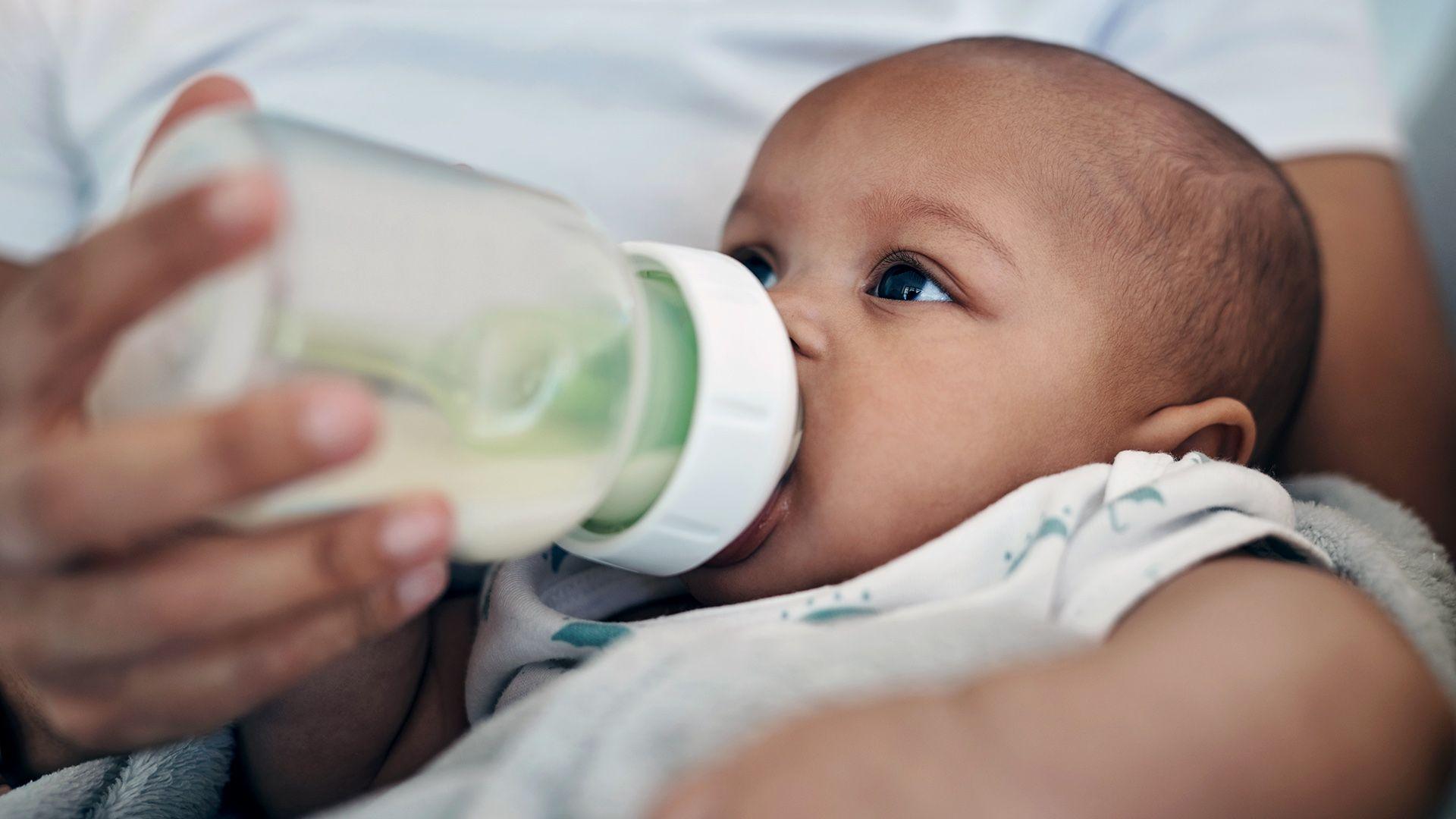
In a concerning development for new parents across the UK, food giant Danone has issued a recall for 14 additional batches of its popular Cow & Gate and Aptamil baby formulas. The move, announced on February 6, 2026, stems from fears of contamination with a potent toxin known as cereulide, which could pose serious health risks to infants. This latest action brings the total number of recalled batches in the UK to 28, highlighting a growing crisis in infant nutrition safety.
What Triggered the Cow & Gate and Aptamil Recall?
The recall was prompted by the detection of low levels of cereulide in specific products, a heat-stable emetic toxin produced by certain strains of Bacillus cereus bacteria. According to the Food Standards Agency (FSA), the contamination is linked to an ingredient called arachidonic acid (ARA) oil, which is added to formulas to mimic the nutritional benefits of breast milk, supporting brain and eye development in babies.
Traces of the toxin were first identified in a batch of Aptamil First Infant Milk back in January 2026. Investigations revealed that a third-party supplier was the source of the tainted ARA oil. Danone has since severed ties with this supplier and replaced the affected ingredient. The company emphasized that all its products undergo 'rigorous checks' before distribution, but this incident underscores the vulnerabilities in global supply chains for baby foods.
Affected Products and Batches
The recalled items include various sizes of Cow & Gate and Aptamil first infant milks and follow-on formulas, specifically stages 1 and 2. Parents are advised to visit the FSA website for the full list of batch numbers, as they are printed on the base or side of the tins and tubs. Examples include certain 800g and 1.4kg packs produced between late 2025 and early 2026.
Importantly, Danone and the FSA assure that these batches were manufactured some time ago and are unlikely to remain on supermarket shelves. However, they could still be lingering in home cupboards, making it crucial for caregivers to inspect their supplies immediately.
Health Risks: Why Cereulide is a Serious Threat to Babies
Cereulide is particularly alarming because it resists destruction by cooking or the standard preparation of infant formula—mixing with water and warming. Once ingested, it can rapidly cause symptoms such as nausea, vomiting, abdominal cramps, and in severe cases, more prolonged gastrointestinal distress. While most cases resolve without long-term harm, infants' immature immune systems make them especially vulnerable.
To date, 36 children in the UK have been suspected of suffering from food poisoning linked to these contaminated formulas. Health officials report that none of the affected infants are seriously ill, but the incidents have sparked widespread parental anxiety. The FSA's chief executive, Katie Pettifer, stressed the gravity of the situation: 'Food businesses have a legal responsibility to sell safe food, including checking ingredients from suppliers are safe.' Ongoing investigations aim to prevent future occurrences, with international collaboration involving food safety authorities in over 60 countries where similar recalls have occurred.
Broader Global Impact
This isn't an isolated UK issue. Since December 2025, major manufacturers like Nestlé (with its SMA brand) and Danone have recalled products worldwide. The global scope reflects the interconnected nature of ingredient sourcing, where a single contaminated batch from one supplier can ripple across borders. In Europe, Asia, and North America, parents are facing similar advisories, prompting questions about regulatory oversight in the baby food industry.
Experts note that while ARA oil is a common additive valued for its omega-6 fatty acids, this scandal may lead to stricter testing protocols. Nutritionists recommend that unaffected formulas remain a safe alternative to breastfeeding, but emphasize the importance of following preparation guidelines to minimize any risks.
Danone's Response and Assurances
Danone North Europe, which produces both Cow & Gate and Aptamil under strict EU regulations, has reiterated its commitment to safety. A spokesperson stated: 'We never compromise on food safety, and we want to reassure all parents that we take this responsibility seriously. All our baby formulas are produced under strict food safety and quality standards and undergo rigorous checks before leaving our factories.'
The company has implemented enhanced quality controls and is cooperating fully with the FSA. They also confirmed that 'low levels of cereulide' were isolated to specific batches, which have been quarantined. For parents with recalled products, Danone advises returning them to the point of purchase for a full refund or exchange—no receipt required.
Practical Advice for UK Parents
The FSA urges immediate action: If you have an affected batch, do not feed it to your baby. Instead, dispose of it safely or return it to retailers like Tesco, Sainsbury's, or the Co-op, which are stocking unaffected alternatives. Pettifer added: 'The affected batches are unlikely to still be on shop shelves but may be in your cupboard. If you have an affected batch, do not use it.'
Supermarkets report ample supplies of safe formulas, so shortages are not anticipated. For those concerned about their baby's health after consumption, consult a GP or call NHS 111. The agency is also monitoring for any new cases and providing updates via its website and social channels.
Looking Ahead: Lessons from the Recall
This recall serves as a stark reminder of the trust parents place in baby food brands. As investigations continue, the focus is on transparency and accountability. Pettifer's call for manufacturers to 'explain what went wrong and provide assurances this will not happen again' echoes demands from consumer groups like the Baby Feeding Institute.
In the meantime, breastfeeding remains the gold standard for infant nutrition, but for those relying on formula, this incident highlights the need for vigilance. By staying informed and checking batches, parents can protect their little ones amid this unfolding health alert.
As Everythiiing.com's health team, we'll keep you updated on developments. Have you been affected? Share your story in the comments below.