Trump's Greenland Stance Fuels Global Diplomatic Crisis
In a bold move that has sent shockwaves across the international community, US President Donald Trump has doubled down on his threats to acquire Greenland, the semi-autonomous Danish territory. During a press conference, Trump declared there is "no going back" on his plans, leaving global leaders grappling with the implications of such a controversial proposal.
Trump's Unwavering Stance
When asked by BBC News about the extent of his willingness to pursue Greenland, Trump responded cryptically, "You'll find out." This follows a series of aggressive statements that have strained relations between the US and its European allies. Trump arrived in Switzerland for the World Economic Forum in Davos, where he is scheduled to address global leaders on critical issues, including his Greenland ambitions.
Trump has reportedly scheduled "a lot of meetings on Greenland" during his trip, signaling his determination to push the issue forward. Despite earlier questioning Nato's commitment to collective defense, he assured reporters that "Nato is going to be happy and we are going to be happy." However, his stance on whether Nato would come to the aid of the US remains ambiguous.
Greenland's Minister Expresses Bewilderment
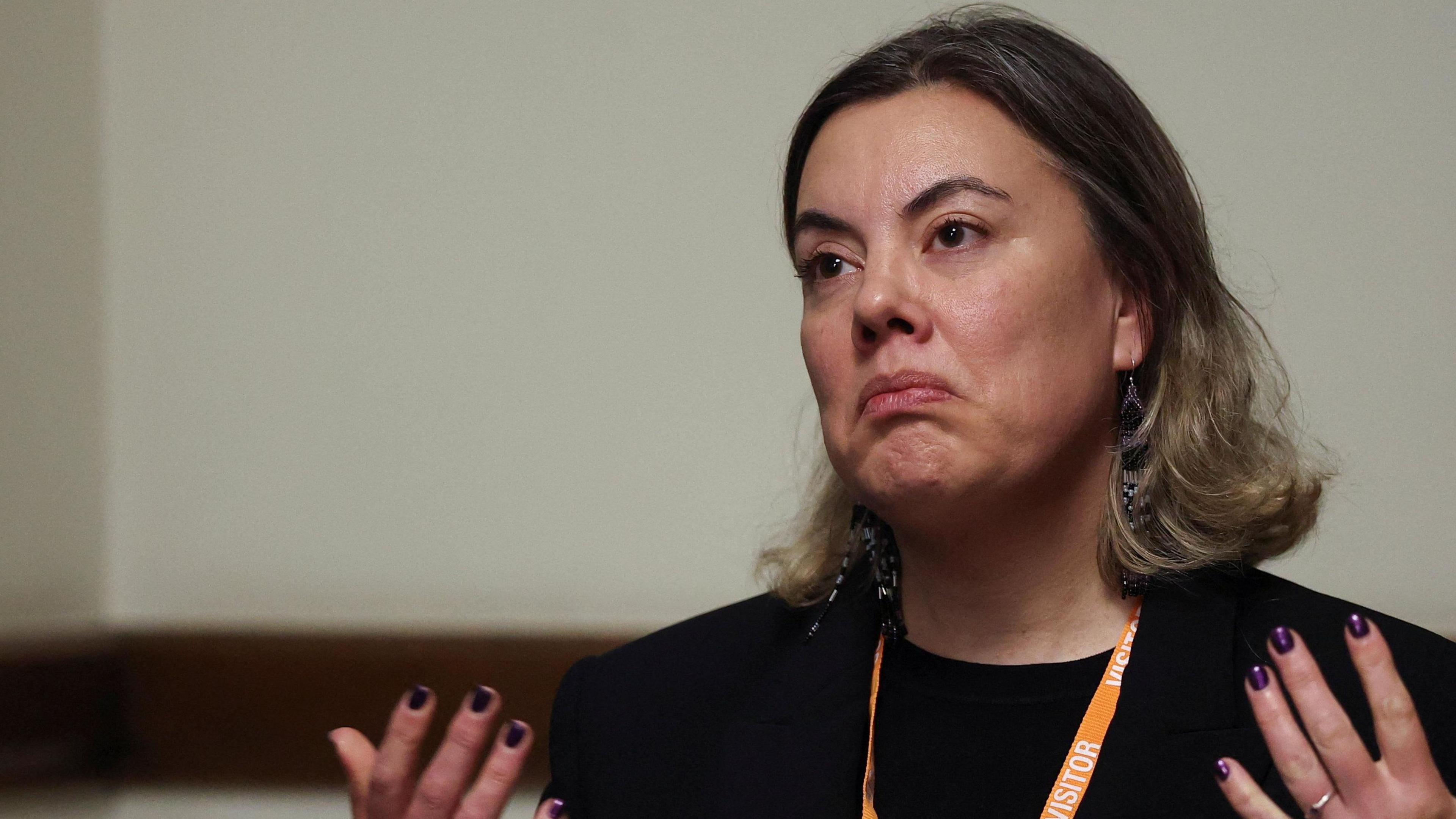
In an interview with BBC Newsnight, Greenland's Minister of Industry and Natural Resources, Naaja Nathanielsen, expressed bewilderment at Trump's demands. "We do not want to be Americans, and we have been quite clear about that," Nathanielsen stated. She questioned the value Trump places on Greenland's culture and its right to self-determination, highlighting the deep cultural and political ties that bind the territory.
European Leaders Push Back
European leaders have not remained silent in the face of Trump's aggressive stance. French President Emmanuel Macron warned of a "shift towards a world without rules," while Canadian Prime Minister Mark Carney noted that the "old order is not coming back." These remarks reflect a growing concern among European nations about the potential destabilization of global alliances.
European Commission President Ursula von der Leyen addressed the issue directly, emphasizing Europe's "full commitment" to the security of the Arctic. She described Trump's tariff threats as "a mistake" and affirmed the EU's solidarity with Greenland and Denmark, stating that their sovereignty is "non-negotiable." This firm stance underscores the depth of European opposition to Trump's proposals.
Nato's Role in the Crisis
The Nato alliance finds itself at the center of this diplomatic storm. Trump's earlier comments questioning Nato's commitment to collective defense have raised eyebrows, especially given that Nato's Article 5 has only been invoked once—following the 9/11 attacks. The alliance's role in safeguarding freedom and security through collective defense is now under scrutiny, with Trump's Greenland ambitions testing the limits of international cooperation.
Nato Secretary General Mark Rutte has expressed commitment to finding a way forward on Greenland, as evidenced by text messages shared by Trump. However, the alliance's unity could be further tested if Trump proceeds with his plans, potentially leading to a fracture in transatlantic relations.
Tariff Threats and Economic Consequences
Adding to the tension, Trump has threatened to impose a 10% tariff on "any and all goods" imported from eight European countries if they oppose his proposed takeover of Greenland. This economic leverage underscores the multifaceted approach Trump is employing to achieve his goals, blending diplomatic pressure with economic sanctions.
The potential economic fallout from such tariffs could have far-reaching consequences, affecting trade relations and consumer prices across the affected nations. European leaders are wary of Trump's tactics, which they view as coercive and detrimental to global economic stability.
Greenland's Strategic Importance
Beyond the diplomatic and economic implications, Greenland's strategic importance cannot be overstated. Rich in natural resources and situated in a geopolitically significant location, the territory is a key player in Arctic security and climate change discussions. Trump's interest in Greenland highlights the growing competition for resources and influence in the region.
The Arctic is rapidly changing due to climate change, with melting ice opening up new shipping routes and exposing vast reserves of oil, gas, and minerals. Control over Greenland could provide the US with a significant advantage in these developments, explaining the urgency behind Trump's proposals.
Public Reaction and Future Prospects
The public reaction to Trump's Greenland ambitions has been mixed, with many Greenlanders expressing concern about the potential loss of autonomy and cultural identity. Meanwhile, European nations are increasingly vocal in their opposition, viewing Trump's actions as a challenge to established international norms.
As the situation unfolds, the world watches closely to see how Trump will proceed. Will he follow through on his threats, or will diplomatic pressure lead to a reevaluation of his stance? Only time will tell, but one thing is clear: Trump's Greenland ambitions have reshaped the global diplomatic landscape, forcing nations to reexamine their alliances and priorities.
Conclusion
The crisis over Greenland underscores the complex interplay of political, economic, and strategic interests that define modern diplomacy. As Trump continues to push his agenda, the international community remains on high alert, prepared to respond to any further developments. Stay tuned to BBC News live for continuous updates on this evolving situation.