Brioche Pasquier Recalls Brioches Over Plastic Hazard
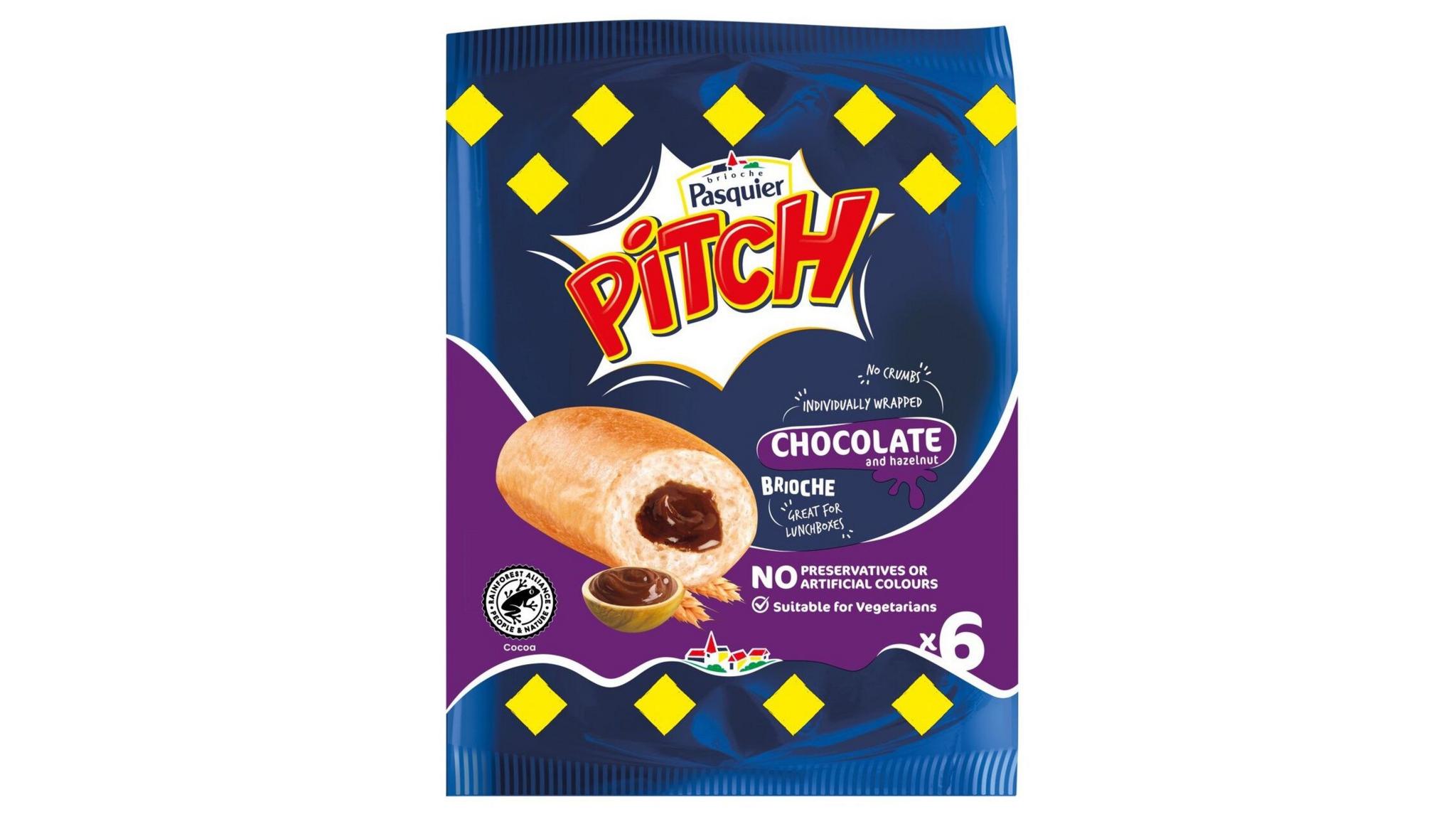
In a swift move to protect public health, French bakery giant Brioche Pasquier has launched a recall on its popular Pitch Chocolate and Hazelnut Brioches sold across the UK. The Food Standards Agency (FSA) issued the alert on Saturday, highlighting concerns over the potential presence of hard white plastic pieces that could pose a serious choking hazard or even damage the digestive system if ingested.
Details of the Affected Product
The recall targets specific six-packs of Pitch Chocolate and Hazelnut Brioches, weighing 225g (6x37.5g each). Only those with the batch code UK 034 and a best before date of 4 March 2026 are impacted. These packs are widely available at major retailers including Asda, Tesco, and Ocado, making this a widespread issue for UK shoppers.
Consumers are strongly advised not to consume the product. Instead, they should return it to the point of purchase for a full refund or contact Brioche Pasquier's customer care team directly via their website or by emailing technical@briochepasquier.com. The batch code and expiry date are printed on the back of the packaging, so it's easy to check at home.
Brioche Pasquier has confirmed that no other batch codes or products from their range are affected, limiting the scope of the recall. However, the company has not yet clarified how the plastic contamination occurred, and the BBC's attempts to reach them for comment have gone unanswered at the time of writing.
Health Risks Explained
The presence of hard plastic in food is no minor issue. According to food safety experts, such foreign objects can lead to immediate choking dangers, especially for children and the elderly. If swallowed, they may cause internal injuries, perforations, or blockages in the digestive tract, potentially requiring medical intervention. The FSA has classified the product as "unsafe to eat," underscoring the urgency of this recall.
This incident serves as a stark reminder of the vulnerabilities in food production chains. Even with rigorous quality controls, contamination can slip through, often during manufacturing, packaging, or transport stages. In this case, the "hard white plastic" suggests it could be a fragment from machinery or packaging materials, though investigations are ongoing.
Broader Context: A Wave of Recent Recalls in the UK
This brioche recall is just the latest in a string of product safety alerts hitting UK shelves. On Friday, Danone announced a recall of certain batches of its Aptamil and Cow & Gate baby formulas due to the presence of a harmful toxin, rendering them unsafe for infants. This follows similar actions by Nestlé (maker of SMA formula) and other manufacturers since December, with over 30 UK children suspected of suffering food poisoning from contaminated batches.
Looking further back, the food industry has seen multiple plastic-related scares. In 2017, Waitrose pulled four varieties of its luxury chocolate bars over fears of plastic contamination. Shortly after, Young's Seafood recalled fishcakes found to contain small pieces of plastic and metal. These incidents highlight a persistent challenge in maintaining purity in processed foods.
More recently, in December 2025, Waitrose recalled bottled water due to potential glass fragments, and Nestlé issued a global recall of baby formula products for toxin concerns in January. Such events not only erode consumer trust but also prompt stricter regulatory oversight from bodies like the FSA.
Why Product Recalls Matter
Product recalls are a critical safety net in the food industry, activated when there's a potential risk to health. In the UK, the FSA coordinates these efforts, working with manufacturers to trace, withdraw, and dispose of faulty goods efficiently. The process involves public notifications, retailer alerts, and sometimes international cooperation if products are exported.
From an economic standpoint, recalls can be costly—lost revenue, disposal fees, and reputational damage add up quickly. For Brioche Pasquier, a brand known for its authentic French pastries, this could impact sales of its other lines, even if they're unaffected. Yet, prioritizing safety over profits is non-negotiable, as evidenced by the company's prompt action.
Consumers play a vital role too. Staying vigilant by checking labels, heeding recall notices, and reporting issues can prevent harm. Apps and websites from the FSA make it easier to track recalls in real-time, empowering shoppers to make informed choices.
Consumer Advice and Next Steps
If you've purchased the affected brioches, act immediately: inspect the packaging, avoid eating them, and return for a refund. For those without receipts, contacting the retailer or manufacturer directly should suffice. Parents, in particular, should double-check pantries and fridges, as these treats are often family favorites.
To prevent future scares, experts recommend buying from reputable sources, storing products properly, and being aware of recall alerts. The FSA's website (food.gov.uk) is an excellent resource for updates on all UK food recalls.
As investigations continue, we'll keep you updated on any developments from Brioche Pasquier or the FSA. In the meantime, this recall reinforces the importance of food safety in our daily lives—better safe than sorry when it comes to what we put on our plates.
This article was last updated on 7 February 2026.
