Fire Erupts on DFDS Cargo Ship Caesarea Trader Off Isle of Wight
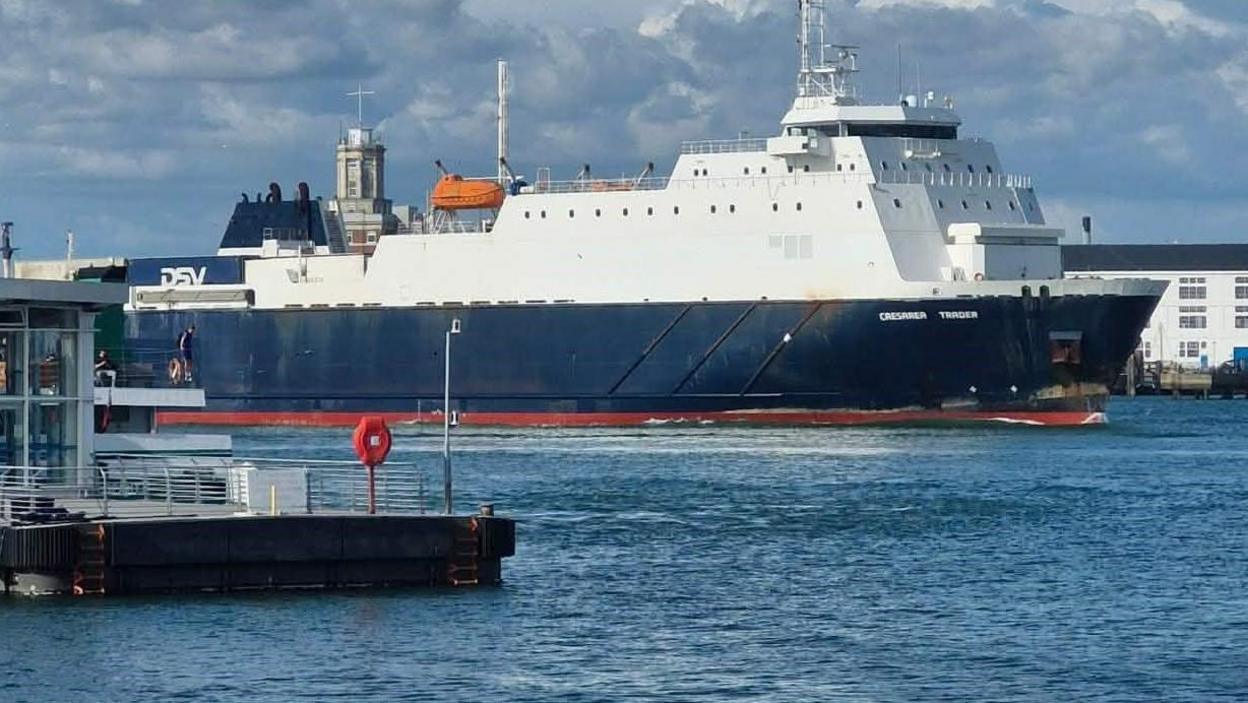
In a dramatic maritime incident, a fire broke out in the engine room of the cargo ship Caesarea Trader, operated by Danish shipping giant DFDS, off the coast of the Isle of Wight. The blaze, reported on Monday afternoon, prompted a swift and coordinated response from emergency services, ensuring the safety of all 24 people on board. As the vessel remains anchored east of Shanklin, preparations are underway to tow it to Portsmouth at first light, where further investigations and firefighting efforts will continue.
Incident Details and Initial Response
The alarm was raised at approximately 15:45 GMT when the crew of the Caesarea Trader alerted HM Coastguard to the engine room fire. Situated in the busy English Channel shipping lanes, the ship's location off the Isle of Wight—a popular spot for ferries and cargo vessels—heightened the urgency of the response. By 22:00 GMT, the situation had stabilized, with coastguard officials confirming that all crew members were accounted for and in good condition.
HM Coastguard mobilized a comprehensive rescue operation, deploying a search and rescue helicopter equipped with thermal imaging to assess the fire's extent from above. The helicopter provided critical data on hot spots without risking additional personnel on the unstable vessel. Complementing this aerial support, the Bembridge RNLI lifeboat raced to the scene, standing ready as a precautionary measure until 20:20, when it was stood down after confirming the situation was under control. Tugs from Portsmouth were also dispatched to assist in stabilizing the ship and preparing for the tow.
A spokesperson for the Maritime and Coastguard Agency emphasized the effectiveness of the response: "The rapid deployment of resources ensured no injuries and contained the fire effectively." This incident underscores the high-stakes nature of maritime emergencies in UK waters, where quick action can prevent escalation into broader environmental or navigational hazards.
About the Caesarea Trader and DFDS Operations
The Caesarea Trader, formerly known as Commodore Goodwill, has a storied history in regional shipping. Reflagged under the UK banner last year, the vessel was acquired by DFDS in 2025 after nearly three decades serving the Channel Islands. Renamed in honor of Jersey's Latin name, Caesarea, it plays a pivotal role in freight transport between Portsmouth and the islands of Jersey and Guernsey.
With a cargo capacity of 1,250 cubic meters—equivalent to about 80 standard trailers—the ship is essential for maintaining supply chains to these remote regions. It handles everything from perishable goods to construction materials, supporting local economies that rely heavily on consistent maritime links. DFDS, a leading European ferry and logistics operator, confirmed that the company is "making necessary steps to maintain continuity of freight links to Jersey," signaling minimal disruption despite the setback.
This fire comes at a challenging time for DFDS, which has been expanding its UK footprint amid post-Brexit trade adjustments and growing demand for reliable cross-Channel services. The operator's commitment to safety is evident in its fleet's modern standards, but incidents like this highlight the inherent risks of sea-based freight, including mechanical failures in engine rooms exposed to saltwater corrosion and heavy use.
Historical Context of the Vessel
Before its acquisition by DFDS, the Commodore Goodwill was a familiar sight in the Channel Islands fleet, enduring rough seas and variable weather for over 30 years. The 2025 rebranding and reflagging reflect broader trends in European shipping, where consolidation under larger operators like DFDS aims to enhance efficiency and compliance with stringent EU and UK regulations. The ship's design, optimized for short-sea routes, includes robust fire suppression systems, which likely contributed to containing the blaze before it spread to cargo holds.
Next Steps and Potential Impacts
At dawn, the Caesarea Trader will be towed into Portsmouth Harbour, where crews from the Hampshire & Isle of Wight Fire and Rescue Service will board to fully extinguish any remaining hotspots and conduct a thorough investigation. Marine accident investigators from the Marine Accident Investigation Branch (MAIB) are expected to probe the fire's cause, potentially focusing on electrical faults or fuel line issues common in engine room fires.
While no environmental threats have been reported—such as oil spills—the incident could temporarily strain DFDS's scheduling. Alternative vessels may be rerouted to cover the Portsmouth-Jersey run, ensuring that island residents face no shortages in essentials. Experts note that such events, though rare, test the resilience of the UK's maritime infrastructure, which handles over 90% of the nation's trade by volume.
Local authorities in the Isle of Wight and Hampshire are monitoring for any pollution risks, but early assessments suggest the ship's cargo—primarily dry freight—poses low hazard. The RNLI's involvement also serves as a reminder of the volunteer-driven backbone of UK coastal rescues, with Bembridge station's crew praised for their vigilance.
Broader Implications for UK Shipping Safety
This event adds to a series of maritime incidents in recent years, including groundings and collisions in the Solent area. It prompts questions about preventive measures: Are engine room monitoring technologies, like AI-driven sensors, being adopted widely enough? DFDS has invested in digital upgrades across its fleet, but regulatory bodies may push for enhanced standards following this.
For the Channel Islands, the Caesarea Trader's downtime could highlight vulnerabilities in over-reliance on a single vessel for key routes. Stakeholders are calling for diversified logistics to buffer against such disruptions, especially as climate change intensifies storm risks in the region.
Community and Expert Reactions
Residents on the Isle of Wight reported spotting smoke from the shore, sparking social media buzz under hashtags like #IsleOfWightFire and #ShipBlaze. Portsmouth's maritime community, accustomed to busy harbors, expressed relief at the contained outcome. Shipping analyst Dr. Elena Vasquez commented, "DFDS's proactive stance on continuity will mitigate economic ripple effects, but this underscores the need for ongoing crew training in fire scenarios."
As investigations unfold, the focus remains on crew welfare and swift vessel recovery. Everythiiing.com will provide updates on the towing operation and any findings from the fire probe. In the meantime, DFDS passengers and freight users are advised to check the company's website for real-time service alerts.
This incident, while resolved without loss of life, serves as a stark reminder of the perils faced by those who keep Britain's sea trade flowing. Stay tuned for more developments.