Irish President Connolly Starts First Official NI Visit
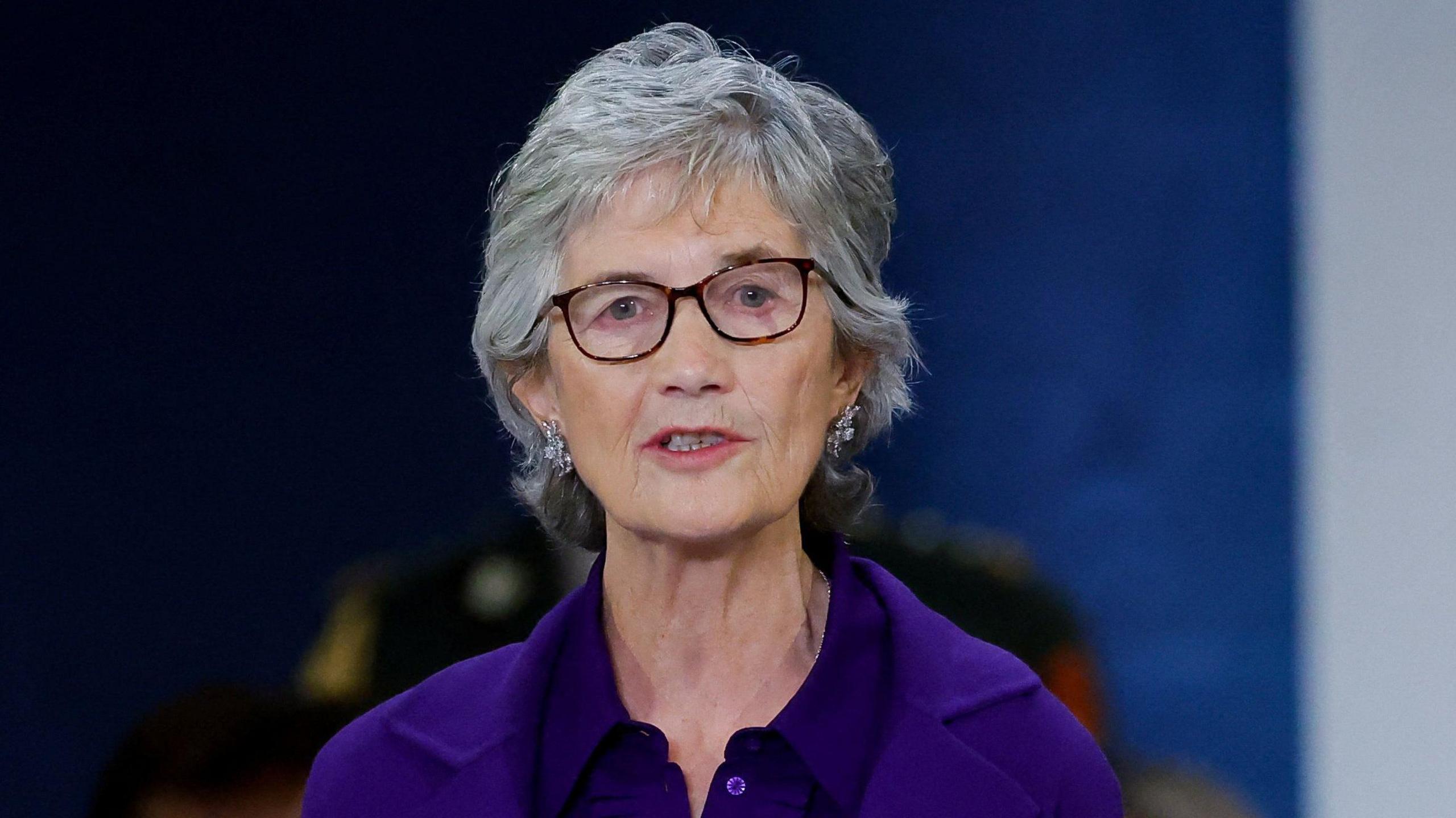
Irish President Catherine Connolly is making headlines with her inaugural official visit to Northern Ireland, a landmark event that underscores evolving cross-border dynamics in the region. Arriving on Wednesday, the 68-year-old leader from Galway will spend three days engaging with political figures, academic institutions, and local communities, marking the first such trip of her presidency which began in November 2025.
Arrival and Key Meetings in Belfast
The visit kicks off at Stormont Castle, where President Connolly will hold discussions with Northern Ireland's First Minister Michelle O'Neill and Deputy First Minister Emma Little-Pengelly. This meeting is particularly significant given the power-sharing executive's recent resurgence after years of political deadlock. Sources close to the presidency indicate that conversations will focus on shared challenges like economic recovery post-Brexit, healthcare collaboration, and cultural exchanges.
Following the formalities at Stormont, Connolly is scheduled to deliver a keynote address at Ulster University's Belfast campus. Her speech is expected to emphasize unity and reconciliation, themes central to her political ethos. The day will also include visits to grassroots community initiatives in Belfast, highlighting her commitment to social justice—a hallmark of her career rooted in public service.
Thursday and Friday: Focus on Londonderry
The itinerary extends to Londonderry (Derry) on Thursday and Friday, where the president will participate in a series of engagements aimed at fostering stronger ties between the Republic of Ireland and Northern Ireland. Activities include interactions with local businesses, educational programs, and cultural events. This leg of the trip pays homage to the city's vibrant history and its role in the peace process, potentially including a nod to the Good Friday Agreement that has shaped modern relations.
Security arrangements are robust, with a focus on ensuring smooth interactions amid ongoing sensitivities around Irish unity debates. While the visit is ceremonial, analysts suggest it could subtly advance discussions on the Northern Ireland Protocol and future EU-UK alignments.
Who is Catherine Connolly? A Trailblazing Background
Born in 1957 in Galway, Catherine Connolly grew up as the ninth of 14 children in a social housing estate, instilling in her a deep empathy for working-class struggles. She pursued a degree in psychology with German before working as a clinical psychologist in County Galway. Rejecting a stable career path, she pivoted to law, qualifying as a barrister in 1991.
Entering politics in her early 40s, Connolly served 17 years as a councillor in Galway, including a stint as mayor. A falling out with the Labour Party over electoral support led her to run independently. After two unsuccessful Dáil bids, she secured a parliamentary seat in 2016. Her rise continued as the first woman to chair Dáil debates as Leas-Cheann Comhairle in 2020, a role she won by rallying opposition forces.
Connolly's 2025 presidential victory was a triumph for anti-establishment voices. Backed by Sinn Féin, Social Democrats, People Before Profit, and Labour, she defeated establishment favorites with a campaign centered on inclusivity and reform. Outside politics, she's a fluent Irish speaker and avid sportswoman, having run marathons and played competitive badminton.
From Psychologist to President: Career Milestones
Connolly's journey reflects resilience. As a mother of two, she balanced family life with public service, often drawing on her psychological expertise to advocate for mental health and education. Her inauguration address in November 2025 explicitly promised that her first official visit would be to Northern Ireland—a pledge now realized, symbolizing her dedication to the island's interconnected future.
The Significance of This Historic Trip
This visit arrives at a pivotal moment for Anglo-Irish relations. Post-Brexit, Northern Ireland's unique position under the Windsor Framework has sparked renewed interest in unity polls and economic integration. Connolly's engagements could serve as a soft diplomacy tool, bridging divides exacerbated by the UK's departure from the EU.
Political observers note that meeting O'Neill, from Sinn Féin—a party historically linked to Irish republicanism—highlights shifting landscapes. O'Neill's role as First Minister since 2024 represents a nationalist milestone, and Connolly's independent stance allows for neutral yet progressive dialogue. Meanwhile, Little-Pengelly from the DUP adds a unionist perspective, ensuring balanced representation.
Community-focused stops underscore Connolly's grassroots approach. In Belfast, she'll explore initiatives tackling poverty and youth empowerment, areas where cross-border funding from the Shared Island initiative could expand. In Londonderry, cultural exchanges might promote the Irish language, aligning with Connolly's passion and NI's growing bilingualism.
Broader Implications for Ireland and the UK
Beyond symbolism, the trip could influence policy. With UK Prime Minister Keir Starmer's Labour government emphasizing reset relations with Dublin, Connolly's visit might pave the way for enhanced cooperation on climate action, trade, and migration. Critics, however, caution against overhyping; unionist voices in NI have expressed concerns over perceived encroachments on sovereignty.
Public reaction in Ireland has been positive, with polls showing strong support for Connolly's presidency. In NI, it's a mix—welcomed by nationalists but viewed warily by some unionists. As the visit unfolds, it reaffirms Connolly's role as a unifier in turbulent times.
Looking Ahead: Legacy in the Making
Catherine Connolly's presidency, only months old, is already defining itself through bold moves like this NI visit. Her background—from housing estate to Áras an Uachtaráin—embodies the Irish dream, inspiring a new generation. As she navigates global challenges like the Israel-Gaza conflict and Ukraine war's ripples, her focus remains domestic: healing divisions and building bridges.
For Northern Ireland, this is more than a courtesy call; it's a reminder of shared heritage and potential. As Connolly departs on Friday, the echoes of her message—unity through dialogue—will linger, shaping the narrative of these isles for years to come.
(Word count: 782)