National Trust Celebrates Major Conservation Accolade for Wightwick Manor Project
The National Trust, a cornerstone of heritage preservation in Great Britain, has been awarded the prestigious Conservation Award by the Victorian Society for its outstanding three-year restoration project at Wightwick Manor and Gardens in Wolverhampton. This significant accolade, presented by the society's Birmingham and West Midlands group, recognises the exceptional quality and dedication involved in safeguarding the Grade I listed manor's intricate historic fabric and invaluable collections.
A Triumph of Craftsmanship and Heritage Care
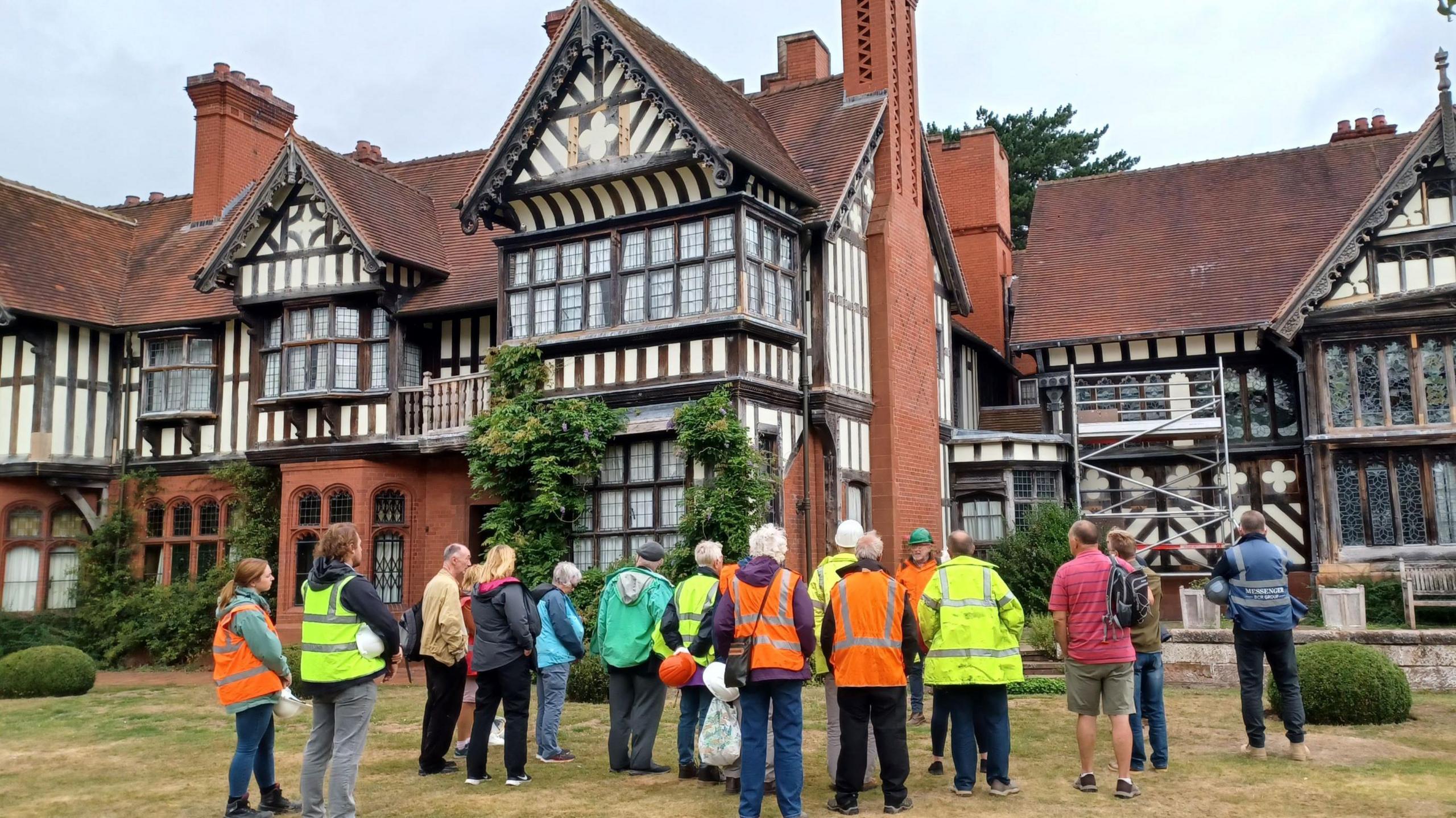
The £800,000 Big MEND (Museums and Estate Development) project at Wightwick Manor aimed to address urgent issues affecting the building's timber frame, plasterwork, and exterior. The National Trust, in collaboration with skilled builders Messenger BCR and architects Tim Ratcliffe Associates, employed traditional techniques and materials, meticulously matching the original design and construction methods. This commitment to authenticity and quality has been lauded by the Victorian Society, with its judging panel unanimously praising the project as "truly exemplary."
Stephen Hartland, regional chairman of the society's West Midlands Group, commented on the unanimous decision, stating, "From the outset, it was clear that the work demonstrated an outstanding commitment to conservation principles, underpinned by a deep understanding of the building's history and significance. The quality of craftsmanship and attention to detail throughout set this project apart as truly exemplary." The award, sponsored by Hortons' Estate Limited, specifically honours renovations or conservation efforts on buildings constructed between 1837 and 1914.
Wightwick Manor: A Testament to Aesthetic Principles
Wightwick Manor, built in 1887 and extended in 1893, was designed by Midlands architect Edward Ould. It was commissioned by Theodore and Flora Mander, who were deeply influenced by Oscar Wilde's lecture on "The House Beautiful." Consequently, the manor's interiors are a stunning reflection of the Aesthetic Movement's principles, embodying the belief in "art for art's sake." The building is further distinguished by its stained glass of international importance, a feature that the Victorian Society highlighted as a key element of its significance.
Before the restoration, age had taken its toll on several sections of the manor, with the timber frame and external plaster showing signs of deterioration. The Big MEND project, supported by funding from Arts Council England, has not only addressed these urgent structural needs but has also enhanced the building's character and ensured its long-term future.
A Collaborative Effort for Future Generations
The success of the Wightwick Manor project is a testament to the power of collaboration. Ian Bird, regional director of Messenger, expressed the contractors' honour in working on the "truly memorable project," which spanned "all three chapters" of its development. Project manager Rachael Parry described the initiative as a "truly collaborative and rewarding project involving many people."
Parry further emphasised the project's broader impact: "Most importantly, this project has enabled us to share the importance of the responsibility we all have to care for its historic fabric for generations to come." This sentiment underscores the National Trust's mission to not only preserve heritage but also to educate and inspire public engagement in its stewardship.
The National Trust's Enduring Commitment to Heritage
This award for Wightwick Manor highlights the National Trust's ongoing dedication to protecting and preserving Britain's architectural and cultural treasures. The organisation manages thousands of historic houses, gardens, and natural landscapes across the UK, each with its unique story and significance. The meticulous approach taken at Wightwick Manor, from structural repairs to the preservation of decorative elements, sets a benchmark for heritage conservation projects nationwide.
The Victorian Society's Conservation Award serves as a vital recognition of the critical work undertaken by organisations like the National Trust. It shines a light on the complex challenges of maintaining historic structures while ensuring they remain accessible and meaningful to the public. The successful restoration of Wightwick Manor is a victory for heritage, craftsmanship, and the enduring power of art and design, ensuring that this beautiful example of Victorian aestheticism continues to inspire for centuries to come.