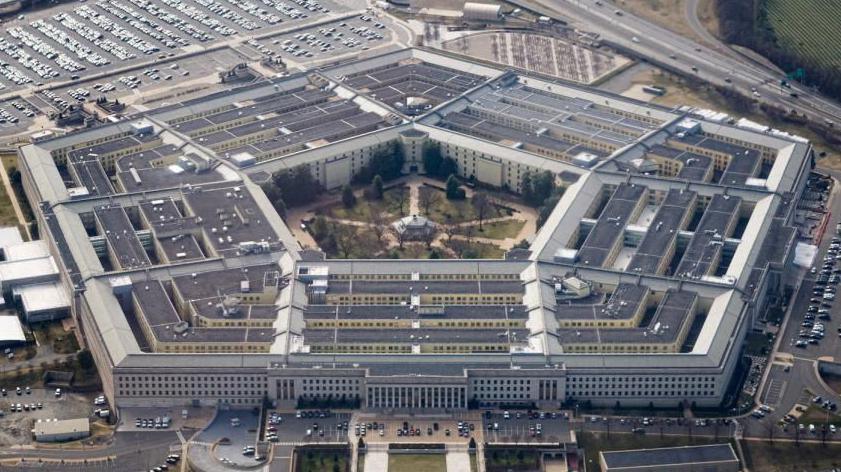
Pentagon Shifts Focus in New National Defense Strategy
In a significant move, the US Department of Defense has published its new National Defense Strategy, which shifts the focus from global threats to the security of the US homeland and the Western Hemisphere. This marks a departure from previous strategies that prioritized China as the top defense concern.
Homeland Security as Top Priority
The new 34-page report, published by the Pentagon, now considers the security of the US homeland and the Western Hemisphere as the primary concern. This is a notable change from the previous version, which named China as the top defense priority. The strategy reinforces recent calls from President Donald Trump for greater burden-sharing from allies in countering threats posed by Russia and North Korea.
Shift in Security Priorities
Previous versions of the National Defense Strategy, published every four years, had identified China as the central challenge to US security. However, the new strategy approaches relations with China through "strength, not confrontation," as stated in the report. This shift reflects a more focused and strategic approach to the threats facing the nation.
Burden-Sharing with Allies
The new strategy calls on American allies to step up, saying partners have been "content" to let Washington subsidise their defence. The report denies the shift signals a US move towards isolationism, stating that it means a focused and genuinely strategic approach to the threats the nation faces. The US aims to prevent allies, especially Europe, from taking the lead against threats that are less severe for the US but more so for them.
Reduced Role for US Deterrence
The strategy outlines a "more limited" role for US deterrence of North Korea. South Korea is described as being "capable of taking primary responsibility" for the task. This marks a shift in the US approach to the Korean Peninsula, where it has traditionally played a significant role in deterring North Korean aggression.
Russia Described as Manageable Threat
Russia, which launched a full-scale invasion of Ukraine nearly four years ago, is described as a "persistent but manageable threat to NATO's eastern members." Unlike in previous versions of the strategy, Taiwan, the self-governing island claimed by China, is not mentioned. However, the document does state that the US aims to "prevent anyone, including China, from being able to dominate us or our allies."
Focus on Western Hemisphere Security
The new strategy reiterates that the Pentagon "will guarantee US military and commercial access to key terrain, especially the Panama Canal, Gulf of America, and Greenland." This focus on the Western Hemisphere reflects a broader trend in US foreign policy under the Trump administration, which has emphasized the importance of the region to US national interests.
Trump Administration's Approach
The document says the Trump administration's approach will be "fundamentally different from the grandiose strategies of the past post–Cold War administrations." It adds, "Out with utopian idealism; in with hardnosed realism." This reflects a broader shift in US foreign policy under the Trump administration, which has emphasized a more pragmatic and results-oriented approach to international relations.
International Reactions
At the World Economic Forum earlier this week, Trump claimed the US had "never gotten anything" from NATO and "we've never asked for anything." He further criticized the organization, incorrectly claiming "the United States was paying for virtually 100% of NATO." Canadian Prime Minister Mark Carney said the old world order is "not coming back" and urged fellow middle powers - like South Korea, Canada, and Australia - to come together.
French President's Warning
French President Emmanuel Macron also warned of a "shift towards a world without rules." This reflects broader concerns among European leaders about the changing nature of international relations and the need for a more coordinated approach to global security challenges.
Conclusion
The new National Defense Strategy represents a significant shift in US defense priorities, focusing on the security of the US homeland and the Western Hemisphere. This marks a departure from previous strategies that prioritized global threats and reflects a more focused and strategic approach to the threats facing the nation. The strategy also emphasizes burden-sharing with allies, calling on them to take the lead against threats that are less severe for the US but more so for them.

