Pressure Builds on McSweeney Over Mandelson Scandal Fallout
In the swirling vortex of Westminster politics, Morgan McSweeney, Sir Keir Starmer's influential chief of staff, finds himself at the epicenter of a burgeoning crisis. The scandal surrounding Lord Peter Mandelson's ties to convicted sex offender Jeffrey Epstein has reignited debates about accountability within Labour's top echelons. As revelations continue to surface, prominent voices are demanding McSweeney's ouster, threatening to destabilize the government just 18 months after its landslide victory.
The Mandelson-Epstein Connection: A Timeline of Controversy
The roots of this turmoil trace back to 2024, when Starmer appointed Mandelson as the UK's ambassador to the United States. At the time, Mandelson's past association with Epstein—a financier disgraced for sex trafficking and abuse—was already public knowledge. Despite warnings, the appointment proceeded, reportedly with McSweeney's strong backing. McSweeney, a key strategist in Starmer's 2024 election triumph, is said to have championed Mandelson's candidacy, viewing him as a heavyweight with unparalleled transatlantic connections.
Fast-forward to recent weeks: Newly released U.S. government emails have exposed deeper entanglements. Documents from 2008-2010 reveal Mandelson exchanging supportive messages with Epstein even as the latter faced charges. One particularly damning email from 2010 suggests Mandelson tipped off Epstein about an impending €500bn EU bailout to salvage the Eurozone—a move that occurred while Mandelson served in Gordon Brown's cabinet. Another 2009 memo, penned by Brown's adviser Nick Butler, discussed asset sales to bolster the UK's faltering economy, with Epstein in the recipient loop.
These disclosures have prompted the Metropolitan Police to launch an investigation into Mandelson for potential misconduct in public office. Mandelson maintains he acted without criminal intent or financial motive, but the damage is done. Starmer swiftly sacked him last year upon the initial email revelations, yet critics argue the prime minister was too hasty in the hiring and too slow in addressing the fallout.
Government's Defensive Stance
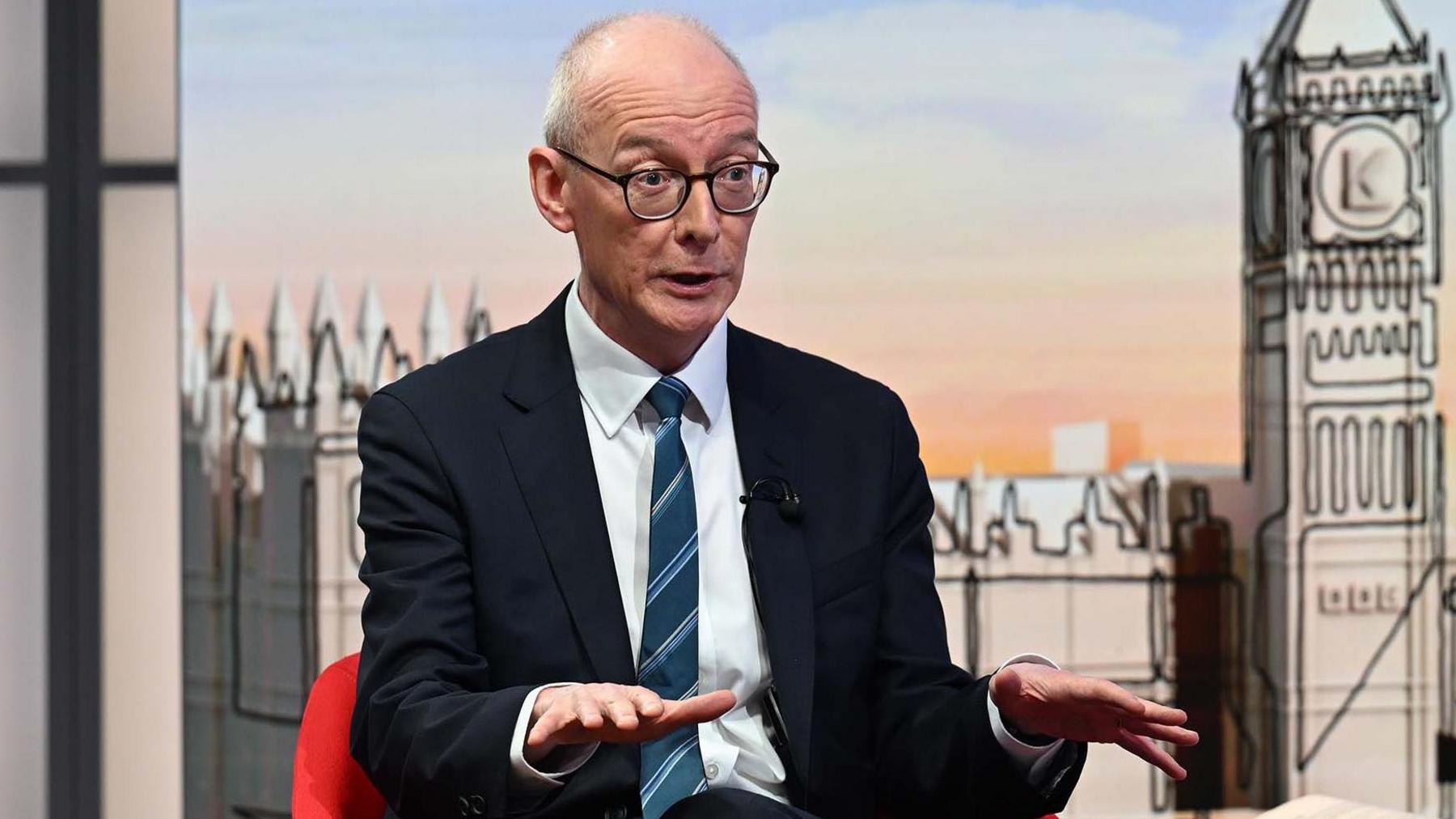
Work and Pensions Secretary Pat McFadden has emerged as a staunch defender of the Starmer regime. In a candid interview on BBC's Sunday with Laura Kuenssberg, McFadden labeled the Mandelson appointment a "terrible mistake" but insisted it was made in good faith. He pleaded with restless Labour MPs not to "drop the pilot"—a nod to historical precedents where leadership changes failed to resolve deeper issues.
"The country has tested to destruction the idea that changing the prime minister solves our problems," McFadden said, referencing the turbulent tenures of recent Conservative leaders. He dismissed knee-jerk reactions like ousting Starmer or his team, warning that such moves would harm the economy and Britain's global standing. McFadden even called for Mandelson to return his post-sacking pay-off or donate it to charity, signaling an attempt to draw a line under the affair.
Yet, McFadden's pleas ring hollow against mounting internal dissent. The scandal has "distracted" the government, as one union leader put it, turning into a full-blown "trust and confidence issue" for Labour.
Calls for McSweeney's Head: Internal Dissent Grows
Morgan McSweeney, once hailed as the architect of Labour's modern resurgence, now embodies the party's vulnerabilities. Reports indicate he aggressively lobbied for Mandelson's role, bypassing concerns about the Epstein links. This has fueled accusations of poor judgment and insularity in No. 10.
Former Labour cabinet minister Lord David Blunkett has amplified the chorus for change. Speaking on BBC Radio 4's Broadcasting House, Blunkett reiterated his demand for a Downing Street refresh, stating his conviction has "hardened" amid the chaos. "Sir Keir needs a new chief of staff," he urged, advocating for broader access to the prime minister to inject fresh perspectives. Blunkett decried the frantic atmosphere in Westminster, where whispers of regicide dominate: "Everybody is running round like headless chickens... What about pulling together?"
The pressure isn't confined to elder statesmen. Steve Wright, general secretary of the Fire Brigades Union—one of Labour's 11 affiliated trade bodies—delivered a stark rebuke on the same BBC program. "I don't think we can wait" until May's local elections, Wright declared, asserting that "everybody's thinking it." He portrayed the government as bogged down by the episode, eroding public faith in Labour's ability to govern effectively.
McSweeney's Influence and the Path Forward
McSweeney's tenure as chief of staff has been marked by ruthless efficiency. A former Labour head of strategy, he orchestrated Starmer's pivot from Corbyn-era radicalism to a centrist, electable platform. His data-driven approach secured a 174-seat majority in 2024, but detractors now decry his centralized control as a barrier to diverse input. The Mandelson saga underscores this: Did McSweeney's push reflect bold vision or reckless oversight?
As the Metropolitan Police probe unfolds, the Foreign Office is reviewing Mandelson's pay-off, adding fuel to the fire. Labour MPs, still smarting from the government's sluggish start on economic reforms and NHS waiting lists, see this as symptomatic of deeper malaise. Starmer has accused Mandelson of misrepresenting his Epstein ties during vetting, while the peer insists he was transparent.
For McSweeney, the stakes are personal and political. Sacking him could signal renewal, appeasing critics and refocusing on priorities like green energy transitions and cost-of-living relief. Yet, it risks alienating Starmer's inner circle, potentially fracturing the unity that propelled Labour to power.
Broader Implications for Labour's Future
This scandal arrives at a precarious juncture for Starmer's administration. With inflation easing but growth stagnant, and international challenges like the Israel-Gaza conflict and Ukraine war demanding attention, domestic distractions are costly. Polls show Labour's lead narrowing, and local elections loom as a litmus test.
Analysts warn that failure to address the McSweeney question could embolden rebels, echoing the Conservative Party's serial leadership churn. Conversely, retaining him might project stability but invite accusations of complacency. As McFadden noted, leadership swaps rarely "fix" systemic woes—yet in politics, perception often trumps policy.
Ultimately, the Mandelson-McSweeney episode tests Labour's resilience. Can Starmer navigate this storm without capsizing his ship? Westminster watches closely, as the answers could redefine his premiership and the party's trajectory through 2029.
This article is based on verified reports from BBC News and other credible sources. Everythiiing.com will continue monitoring developments.