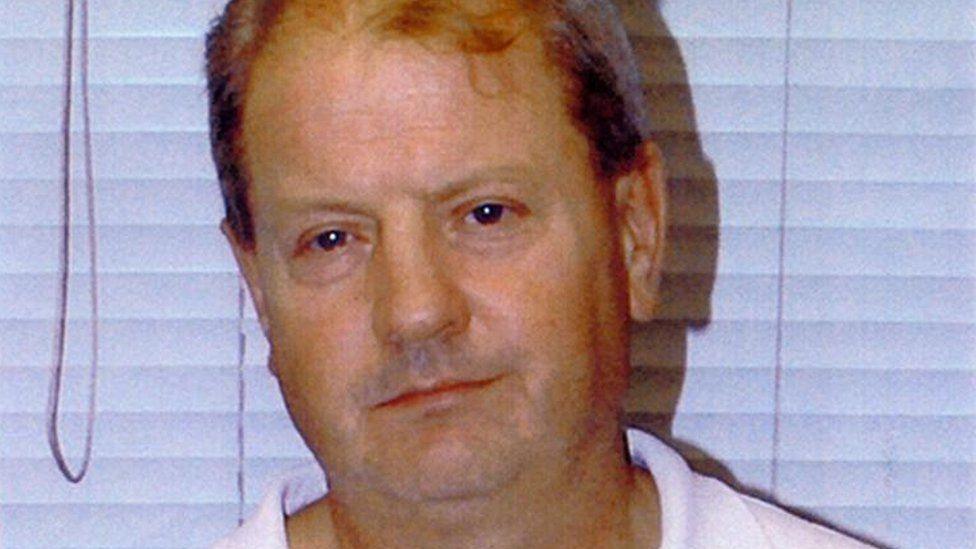
Steve Wright: The 'Nervous and Quiet' Serial Killer Who Shocked Suffolk
In a stunning courtroom twist at the Old Bailey, Steve Wright, the man behind the infamous 2006 Ipswich murders, has pleaded guilty to the kidnap and murder of 17-year-old Victoria Hall in 1999. At 67 years old, Wright's admission closes a 25-year-old cold case, confirming his deadly activities began much earlier than previously known. Once described by acquaintances as "nervous and quiet," Wright's transformation into a prolific killer has left an indelible scar on Suffolk's landscape. This development not only reopens wounds for the victims' families but also prompts a deeper look into the life of a man who evaded justice for years.
The Terror of Ipswich in 2006
Twenty years ago, the quiet town of Ipswich was plunged into fear as five women vanished in a matter of weeks. It was late October 2006 when 19-year-old Tania Nicol, a former sea cadet who had turned to sex work after battling drug addiction, left her family home on the outskirts of town. She boarded a bus to the town center around 10:45 PM and never returned. Her mother reported her missing the next day, sparking a police investigation that would soon escalate into a nightmare.
Two weeks later, concerns mounted with the disappearance of 25-year-old Gemma Adams, another sex worker from Blenheim Road. On December 2, a member of the public discovered Gemma's naked body in a brook at Hintlesham, west of Ipswich. Divers searching nearby Copdock Mill found Tania's remains just six days later. The grim discoveries signaled a serial killer was at large.
The horror intensified as three more women—Anneli Alderton, 24; Paula Clennell, 24; and Annette Nicholls, 29—all sex workers, went missing. Anneli's body was found posed in a cruciform shape in woodland at Nacton on December 10. Paula and Annette were discovered near Levington two days later. As Christmas approached, Ipswich's streets emptied; women eyed every man with suspicion, and police patrolled heavily. The town, once seen as safe, became a media frenzy hotspot.
Profiling the Victims
Each victim had a story marked by vulnerability. Tania dreamed of a naval career before drugs derailed her path. Gemma, Anneli, Paula, and Annette navigated the dangers of sex work in Ipswich's red-light district. Their murders, systematic and brutal, highlighted the perils faced by marginalized women, drawing national outrage and calls for better protection.
Wright's Background: From Troubled Youth to Hidden Predator
Born in 1957, Steve Wright grew up in a fractured home. His parents' divorce led to his mother relocating to the United States, leaving him with emotional scars that acquaintances later described as making him withdrawn. As an adult, Wright worked as a forklift driver, a seemingly ordinary job that masked his darker impulses.
In October 2006, Wright moved to 79 London Road, smack in Ipswich's red-light area, with his partner of six years, Pam Wright—coincidentally sharing his surname. He admitted to frequenting sex workers throughout his life, but that winter, his encounters turned fatal. Prosecutors would later argue he "systematically selected and murdered" the five women over six-and-a-half weeks.
The Arrest and 2008 Conviction
Amid mounting pressure, a supermarket worker was briefly arrested on December 18, 2006, after claiming familiarity with the victims, but he was released. Wright, then 48, was arrested soon after and charged on December 21 with all five murders. His home was cordoned off, and forensic teams swarmed the scene.
At Ipswich Crown Court in March 2007, Wright denied the charges. His January 2008 trial relied on circumstantial evidence, bolstered by DNA linking him to the crimes. The jury convicted him, and he was sentenced to life imprisonment. The verdict brought relief to Ipswich, ending a reign of terror that had gripped the nation.
The Unsolved Shadow: Victoria Hall's Murder
While the 2006 cases defined Wright publicly, whispers of earlier crimes lingered. In 1999, 17-year-old Victoria Hall vanished after a night out in Felixstowe, just a short drive from Ipswich. Her body was found strangled in a ditch near Levington—eerily close to where Paula and Annette's remains were dumped seven years later.
For decades, the case remained unsolved until advanced forensics in 2024 connected Wright to the scene via DNA. Charged with kidnap and murder, he was due for trial but pleaded guilty on the eve, sparing a full reckoning in court. This plea confirms Wright's killing spree began earlier, painting a picture of a predator honing his methods over years.
Investigative Breakthroughs
Suffolk Police's persistence, aided by modern DNA techniques, cracked the case. Detectives revisited old evidence, matching samples to Wright, who had lived nearby during Victoria's disappearance. The link underscores how serial offenders often escalate, with early crimes going unnoticed.
Community Impact and Lasting Legacy
The Ipswich murders transformed a sleepy Suffolk town into a symbol of vulnerability. Families like Tania's mourned not just their losses but the stigmatization of sex workers. Support services for at-risk women surged post-conviction, and police strategies evolved to prioritize missing persons cases.
Wright's recent guilty plea rekindles trauma for survivors and investigators. At 67, serving multiple life sentences, he offers no remorse in records. His story serves as a stark reminder of hidden dangers in plain sight—a quiet man whose silence concealed unimaginable evil.
As Suffolk reflects on two decades of healing, the focus shifts to prevention. Experts call for addressing root causes like addiction and exploitation to avert future tragedies. Steve Wright's crimes, now fully exposed, ensure the victims' stories endure, urging society toward greater vigilance.