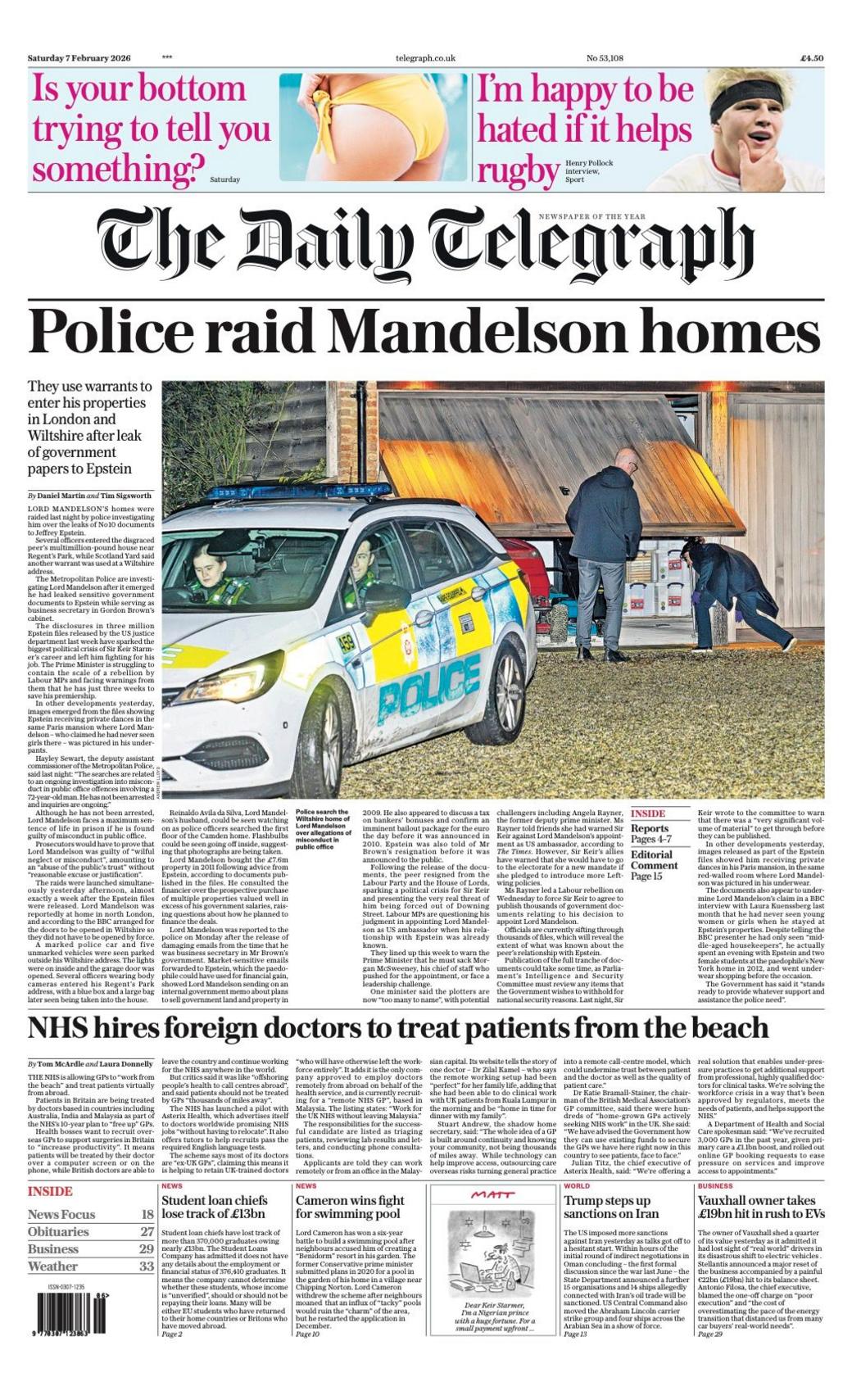
Student Loans Firm Loses Track of 300k Graduates Owing £13bn
In a startling revelation that's shaking up the UK's higher education landscape, the Student Loans Company (SLC) has admitted to losing track of more than 370,000 graduates who collectively owe nearly £13 billion in unpaid loans. This massive oversight means the government-backed organization has no clue about these borrowers' employment or financial status, leaving a gaping hole in the repayment system that's set to cost taxpayers dearly.
The Scale of the Problem
The figures, disclosed recently, paint a picture of administrative chaos within the SLC. Out of millions of student loan holders, 376,410 individuals fall into the 'unverified' category. These aren't just minor oversights; we're talking about a sum equivalent to the annual budget of a mid-sized UK city. Many of these 'missing' graduates are believed to be EU nationals who studied in the UK before or during Brexit and have since returned home, or British citizens who've emigrated for work or lifestyle reasons.
The issue came to light amid growing scrutiny of the UK's student finance system. Just last December, investigations revealed that EU students alone owe over £5 billion in outstanding loans to the British government. With the SLC unable to verify incomes, it can't enforce repayments under the income-contingent model, where borrowers only pay back once they earn above a certain threshold.
Why Are So Many Graduates 'Unverifiable'?
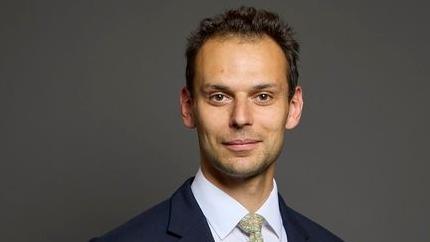
Education Minister Josh MacAlister addressed MPs on the matter, explaining that the primary culprits are mismatches with HM Revenue & Customs (HMRC) data. Many of these graduates either have no employment records or have left the UK tax system entirely by moving abroad. 'They've been matched by HMRC but have no employment details recorded, or they've moved overseas and are no longer part of the UK tax system,' MacAlister stated.
Others might simply be in transitional phases: between jobs, on benefits, or earning below the repayment threshold (currently frozen at £27,295 for post-2012 loans, a policy that's drawn fire from Labour MPs and universities alike). Chancellor Rachel Reeves' decision to maintain this freeze has already sparked backlash, as it pulls more graduates into higher repayment brackets amid rising living costs.
Implications for Taxpayers and the Economy
Experts are sounding the alarm over what they call a 'huge potential leak' from the student loan system. Nick Hillman, director of the Higher Education Policy Institute (HEPI), warned that while graduates are up in arms about their own repayment burdens—especially after recent policy tweaks—someone has to foot the bill for those who slip through the cracks. 'These large numbers show a huge potential leak from the student loan system,' Hillman said. 'We have seen in recent weeks how angry graduates are at having to pay so much for their own education, but someone will also eventually have to pick up the tab for those who go entirely missing from the system.'
The taxpayer angle is particularly concerning. The UK government writes off a portion of student loans as 'bad debt' annually, but this unverifiable cohort could balloon that figure significantly. In the financial year ending 2023, the SLC already projected £9.2 billion in write-offs; adding £13 billion from lost trackers could push the total public cost into the tens of billions over time.
Brexit has exacerbated the problem. EU students who were resident in the UK before the 2020 transition period remain eligible for loans covering their full course duration, even if it extends post-Brexit. However, tracking repayments from those who've returned to the EU is notoriously difficult without robust international agreements. The UK lacks the bilateral pacts that countries like Australia have with major study destinations to chase overseas debtors.
Comparing Global Approaches
Looking abroad offers potential solutions. New Zealand's student loan scheme, for instance, imposes severe penalties for those who fall off the radar, including interest accrual and even restrictions on re-entering the country. Borrowers must update their details annually, with fines up to NZ$50 for non-compliance. Hillman suggests UK policymakers study this model: 'If policymakers are stymied about what to do, they should look at New Zealand where there are severe late payment penalties for those who lose touch.'
In contrast, the SLC has long been criticized for being under-resourced. Government cuts to administrative funding have left it struggling to cope with a ballooning portfolio—now over £200 billion in total outstanding loans. Despite handling repayments for 1.5 million people annually, the company's IT systems and international outreach remain outdated, making it hard to trace mobile graduates in a globalized job market.
Government Response and Future Outlook
The Labour government, fresh into power, faces a tricky balancing act. On one hand, it's committed to protecting vulnerable graduates from excessive debt; on the other, it must safeguard public finances. The repayment threshold freeze, intended to boost revenue, has only highlighted systemic flaws. Universities are lobbying for reform, arguing that the current setup deters international talent and burdens domestic students unfairly.
Calls are growing for SLC modernization: better data-sharing with HMRC and international partners, AI-driven tracking, and incentives for voluntary updates. Without action, the 'missing' graduates could symbolize a broader erosion of trust in the UK's education funding model—one that's already creaking under the weight of post-pandemic recovery and economic pressures.
As the debate heats up, one thing is clear: the SLC's tracking troubles aren't just an administrative hiccup. They're a wake-up call for rethinking how Britain funds its future workforce in an increasingly borderless world. With £13 billion on the line, the stakes couldn't be higher.
This article was informed by official disclosures and expert commentary as of February 2026.