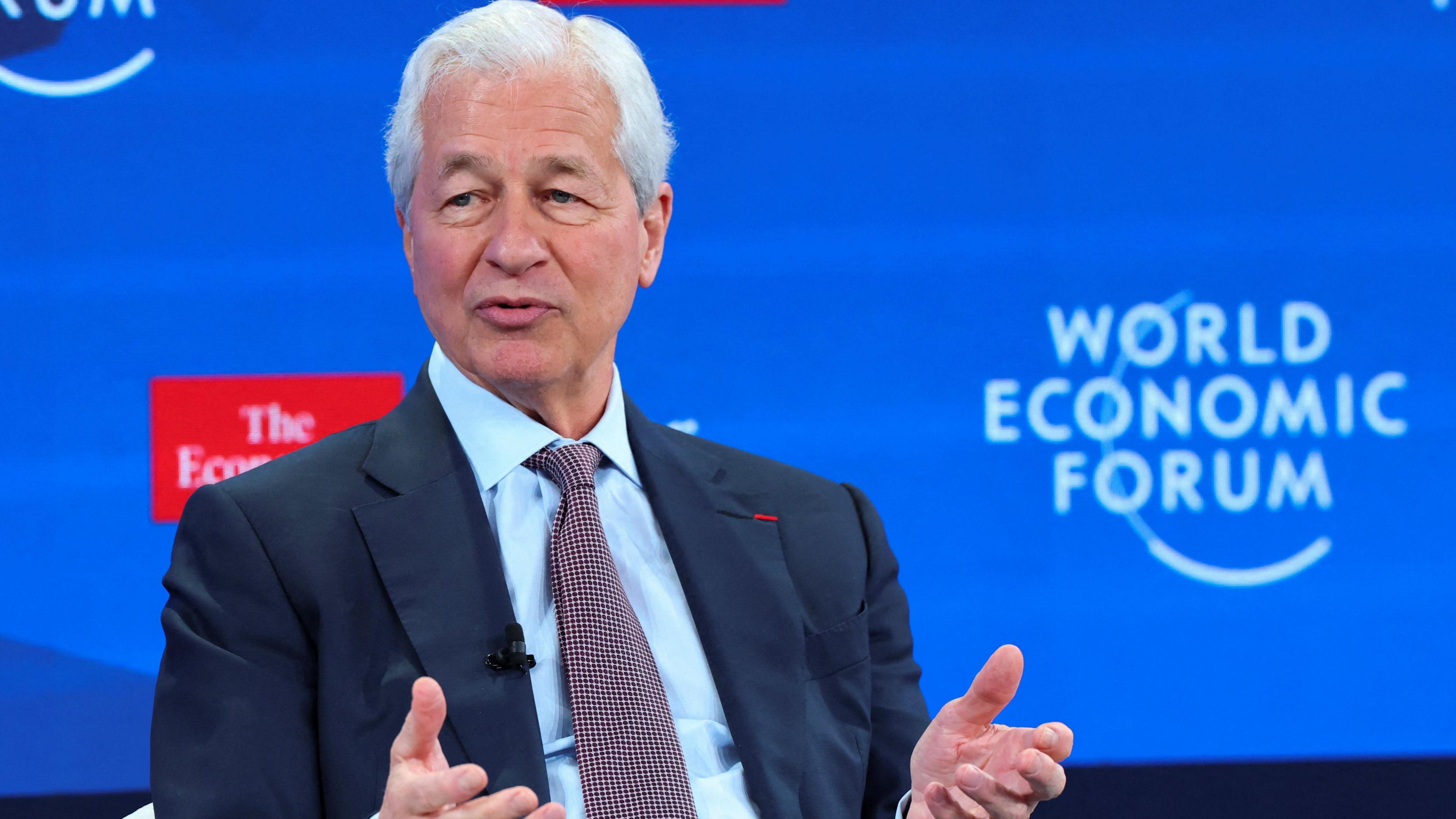
In a bold move that underscores the ongoing tensions between political figures and financial institutions, former President Donald Trump has filed a $5bn (£3.7bn) lawsuit against JPMorgan Chase, America's largest bank. The lawsuit accuses the bank of illegally closing his accounts following the Capitol riot on 6 January 2021.
Background of the Lawsuit
The lawsuit, which also names JPMorgan Chase's CEO Jamie Dimon, alleges that Trump and his businesses suffered significant financial and reputational harm after the bank abruptly closed their accounts in 2021. The decision to close the accounts came in the wake of the Capitol riot, where Trump supporters disrupted the formal ratification of the election results.
JPMorgan's Justification
A JPMorgan Chase spokesperson stated that the suit has no merit, emphasizing that the bank does not close accounts for political or religious reasons. Instead, the bank claims it closes accounts when they create legal or regulatory risks. The spokesperson added, 'We do close accounts because they create legal or regulatory risk for the company.'
Trump's Allegations
In the lawsuit, Trump claims that JPMorgan's decision to close his accounts was driven by 'unsubstantiated, 'woke' beliefs that it needed to distance itself from President Trump and his conservative political views.' He further alleges that the bank's actions were a 'key indicator of a systemic, subversive industry practice that aims to coerce the public to shift and re-align their political views.'
Blacklist Allegations
Trump also accuses JPMorgan of trade libel, stating that the bank placed his name and that of his businesses on a 'blacklist' shared with other banks. This roster was intended to identify individuals with a history of 'malfeasant' activity. Trump claims that this move was approved by Dimon himself.
Regulatory and Political Context
The lawsuit was filed in Florida, a state that bars banks from discriminating against clients for their political views. This move aligns with Trump's broader agenda to address what he calls 'debanking,' the practice of closing accounts based on political or ideological reasons.
Banking Sector Review
Last month, regulators found that nine of the country's biggest banks made 'inappropriate distinctions' among customers based on their business activities. Sectors such as oil and gas, private prisons, and adult entertainment faced restricted access, prompting a review of the banking sector's practices.
JPMorgan's Response
In its statement, JPMorgan expressed regret over having to close the accounts but emphasized that it was driven by 'rules and regulatory expectations.' The bank added, 'We have been asking both this administration and prior administrations to change the rules and regulations that put us in this position, and we support the administration's efforts to prevent the weaponisation of the banking sector.'
Implications for the Banking Industry
This lawsuit highlights the growing tension between political figures and financial institutions. As banks navigate the complex landscape of regulatory compliance and political pressures, the outcome of this case could set a precedent for future dealings.
Future of Banking Practices
The case also brings into focus the need for clearer guidelines on how banks should handle accounts of politically sensitive clients. As the debate rages on, it remains to be seen how the banking industry will adapt to these challenges.
Conclusion
As the lawsuit progresses, it will be closely watched by both the financial and political communities. The outcome could have far-reaching implications for how banks interact with their clients, particularly those with controversial political views. Stay tuned for further updates on this developing story.