US Officially Withdraws from the World Health Organization
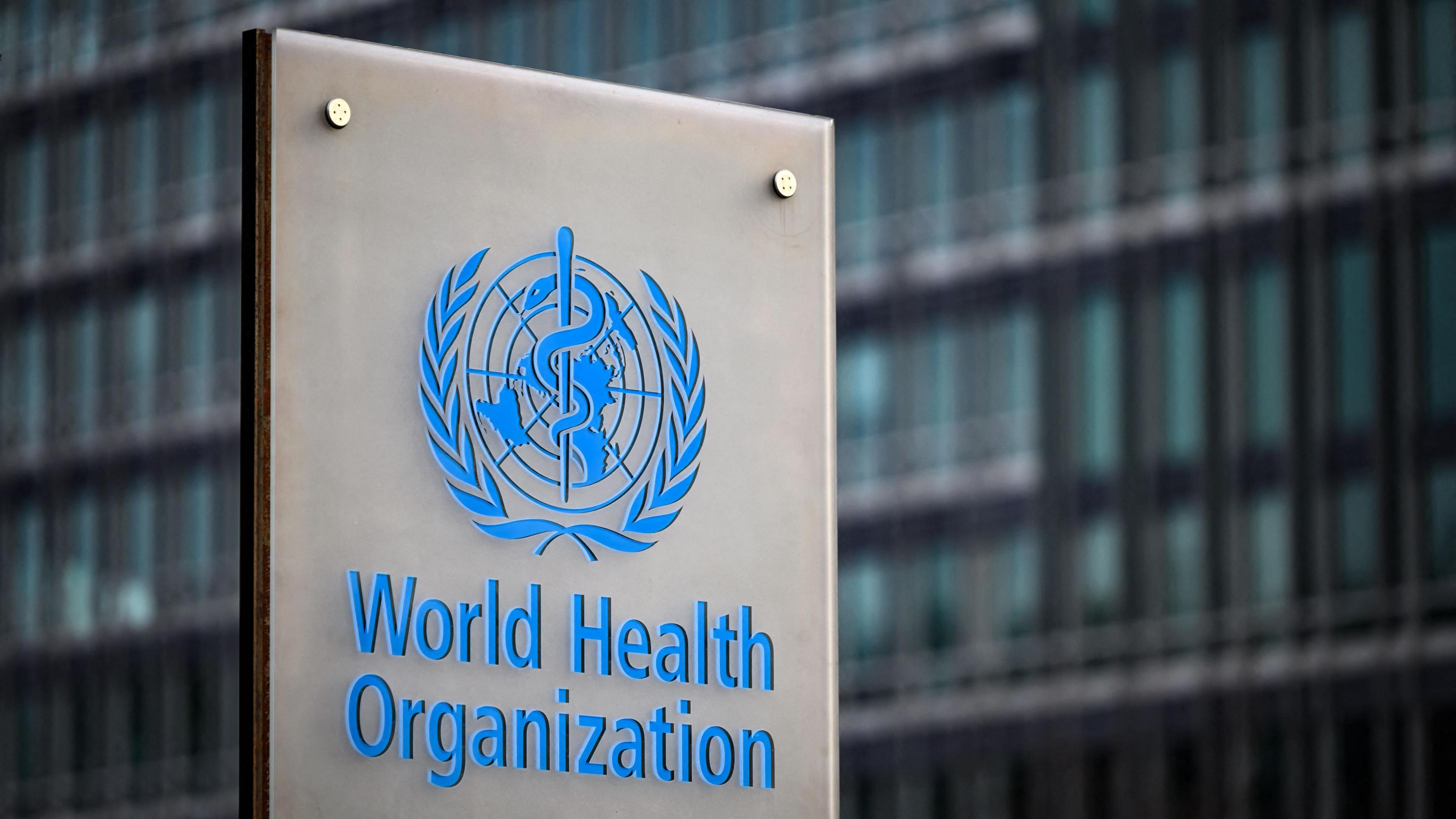
The United States has officially withdrawn from the World Health Organization (WHO), a move that has sent shockwaves through the global health community. The decision, which was signaled a year ago by President Donald Trump, comes amidst criticism of the WHO's handling of the Covid-19 pandemic and its perceived political influence from member states.
Reasons for Withdrawal
The US Department of Health and Human Services cited the WHO's alleged 'mishandling' of the pandemic, an inability to reform, and political influence from member states as the primary reasons for the withdrawal. The US has traditionally been one of the biggest donors to the WHO, but has not paid its fees for 2024 and 2025, which has already caused huge job losses at the organization.
WHO's Response
The WHO has rejected these claims, with its director general Tedros Adhanom Ghebreyesus stating that the withdrawal is a loss for the US and the world. The organization pointed to its global efforts to combat polio, HIV/AIDS, maternal mortality, and its international treaty on tobacco control. In the wake of the pandemic, WHO member states worked to create an international pandemic treaty designed to prevent, prepare for, and respond to future pandemics, including sharing vaccines and drugs more fairly.
Financial Impact
Although WHO lawyers suggest the US is obliged to pay the arrears, estimated at $260m (£193m), Washington said it saw no reason to do so. It said that all US government funding to the WHO has been terminated, US personnel and contractors have been recalled from the WHO headquarters in Geneva, Switzerland, and its offices worldwide, and hundreds of US engagements with WHO have been suspended or discontinued.
Implications for Global Health
The US withdrawal from the WHO could have significant implications for global health. The WHO has played a crucial role in coordinating international responses to health crises, including the distribution of vaccines and the sharing of medical expertise. The loss of US funding and engagement could weaken the organization's ability to respond effectively to future pandemics and other health crises.
Bilateral Relations
The US department said it would have bilateral relations with other countries to ensure disease surveillance and pathogen sharing, but were unable to provide information about which specific countries they had such links with so far. In response to a question about global efforts to combat polio or HIV, officials said the US would partner with 'NGOs and faith based groups' to continue that work, but could not give details of any partnerships yet established.
Uncertainty Ahead
Asked whether the US would continue to participate in information sharing for and development of the annual global flu vaccine, officials were not sure. The US withdrawal from the WHO has created a sense of uncertainty and concern among global health experts. The WHO said on Friday that the US withdrawal was on the agenda for its upcoming board meeting from 2-7 February. It told the BBC that its secretariat will act according to the advice from the governing bodies.
Criticisms of Pandemic Responses
Pandemic responses by many countries with highly developed health services - including the US but also the UK - have been criticised as slow and flawed. Many governments hesitated to impose lockdowns, fearing their citizens would not accept such restrictions. In the wake of the pandemic, studies have shown that the delay contributed to the rapid spread of the virus.
US Death Rates
The US had one of the highest death rates in part because of a patchy response to WHO advice on mask wearing and social distancing, according to Drew Altman, a former US public health official. In a 2020 article for the BMJ, he accused the federal administration of i