Botn's Emotional Olympic Gold After Teammate's Tragic Death
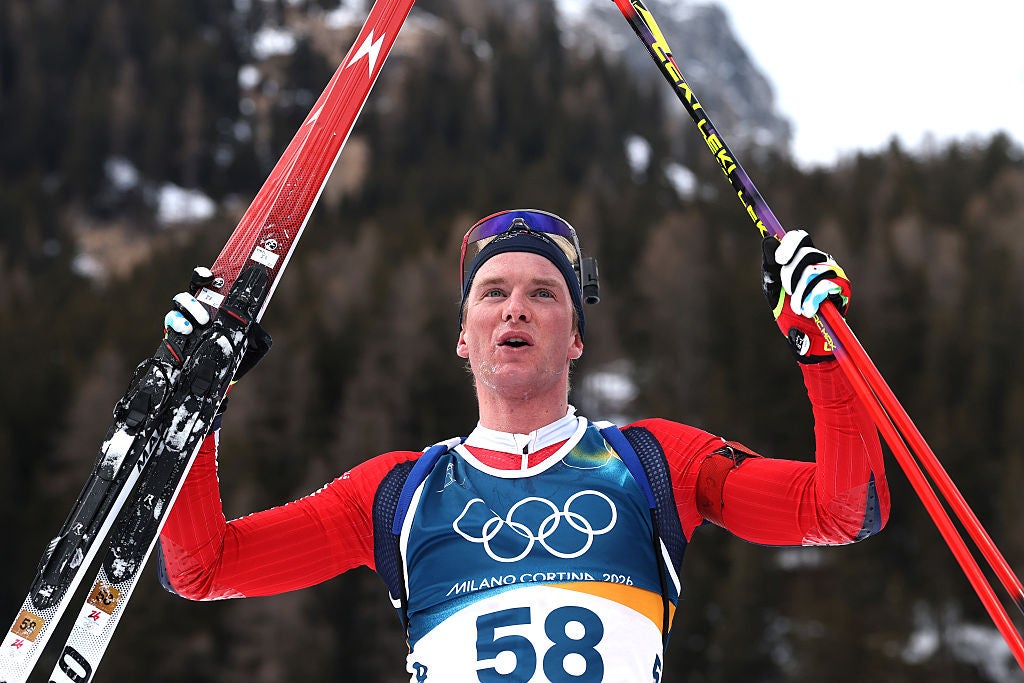
In the crisp, high-altitude air of Antholz-Anterselva, Italy, Norwegian biathlete Johan-Olav Botn etched his name into Olympic history on Tuesday. The 26-year-old clinched gold in the men's 20km individual event, delivering a flawless shooting performance that silenced doubters and honored a lost friend. Just two months after discovering the body of his teammate Sivert Guttorm Bakken, Botn's victory stands as a poignant testament to resilience amid profound grief.
The Race: A Masterclass in Precision and Power
Botn's path to the podium was nothing short of spectacular. As an Olympic debutant, he entered the race carrying the weight of expectations—and the shadow of loss. Leading the World Cup standings before a heartbreaking Christmas break, Botn had been sidelined by illness and mourning. Yet, on this fateful day, he stormed back with authority.
Starting strong on the snowy tracks, Botn maintained a steady pace through the grueling 20km course. But it was his shooting that truly shone. In biathlon, where precision can make or break a race, Botn hit all 20 targets without a single miss—a rare feat under Olympic pressure. His final time of 51:31.5 secured him the gold, edging out competitors in a display of tactical brilliance.
As he crossed the finish line, Botn pointed skyward, a silent dedication to Bakken. Tears welled in his eyes as he confirmed his win, breaking down in an interview with Norwegian broadcaster NRK. "When I saw the '1' next to my name, I broke down a little," he admitted. This wasn't just a personal milestone; it was the second time in history a male biathlete won gold on his debut, following Frenchman Vincent Jay's 2010 sprint victory.
Technical Breakdown: What Made Botn's Performance Unstoppable
Biathlon demands a unique blend of endurance skiing and rifle marksmanship. Botn's clean shooting—zero penalties—saved him crucial minutes, allowing him to push hard on the final lap. Analysts noted his improved form post-illness, with heart rate data showing remarkable composure during prone and standing shoots. Compared to pre-break races, his ski speed increased by 2%, a subtle edge that proved decisive against seasoned rivals.
The Backstory: Tragedy Strikes the Norwegian Team
The joy of Botn's triumph is inextricably linked to sorrow. On December 23, while on a team training camp in Livigno, Italy, Botn discovered Bakken unresponsive in his hotel room. The 27-year-old, a promising talent in his own right, had stepped away from biathlon in 2022 after a myocarditis diagnosis—a inflammation of the heart muscle often triggered by viral infections.
Bakken's death sent shockwaves through the Norwegian winter sports community. An autopsy confirmed natural causes related to his condition, but the loss was devastating. Botn, who had shared camps and camaraderie with Bakken, missed subsequent World Cup events to attend the funeral. "It was a dark time," Botn later reflected. Illness compounded the grief, delaying his return to peak form.
The Norwegian Biathlon Federation issued a statement praising Botn's mental fortitude. "Johan-Olav's journey back to the start line is a story of unbreakable spirit," it read. This event has sparked broader discussions on athlete health, particularly cardiac issues in high-intensity sports like biathlon.
Health Insights: Myocarditis and Its Impact on Athletes
Myocarditis affects around 1 in 10,000 athletes annually, per sports medicine experts. For Bakken, the condition forced a hiatus, but his return highlighted the risks of pushing limits post-diagnosis. Norwegian teams now emphasize enhanced screening, including ECGs and echocardiograms during training camps. Botn's story underscores the need for mental health support alongside physical prep, as grief can impair performance as much as injury.
Dedication and Legacy: Racing with a Ghost
Post-race, Botn's words captured the emotional depth of his win. "At the last shooting, my thoughts went to Sivert. It was emotional—I felt like I was racing with him," he told reporters. "I hope he was watching and proud." This tribute resonated globally, with fans on social media hailing Botn as a symbol of perseverance.
Norway's winter sports dominance continues, but Botn's gold adds a human layer to the medals tally. It's his first Olympic hardware, but likely not the last. As he eyes the pursuit and relay events, Botn carries Bakken's memory forward, transforming personal tragedy into collective inspiration.
Broader Implications for Biathlon and Olympics
This victory revives interest in biathlon, a niche yet thrilling Olympic discipline blending Nordic skiing and shooting. Viewership in the UK has surged, with BBC coverage drawing comparisons to past Norwegian greats like Ole Einar Bjørndalen. SEO trends show spikes in searches for "biathlon Olympics" and "Botn tribute," boosting the sport's profile.
Moreover, Botn's story highlights the Olympics' role in healing. Amid global challenges, such narratives remind us of sport's power to unite and uplift. As the Games progress, expect Botn to remain a focal point, his gold a beacon of hope forged in adversity.
Looking Ahead: Botn's Olympic Campaign
With multiple events left, Botn is favored in the 10km sprint and mixed relay. His mental reset post-victory could propel Norway to more podiums. Teammates, including those who trained with Bakken, rally around him, ensuring his late friend's spirit endures on the trails.
In a sport where every shot counts, Botn's unflinching aim—both literal and metaphorical—marks him as a star. His gold isn't just a win; it's a heartfelt homage, proving that even in loss, champions rise.
This article was updated on February 10, 2026, reflecting the latest from Antholz-Anterselva.