Michael Owen's Legacy Echoes in Man Utd's Dramatic Revival
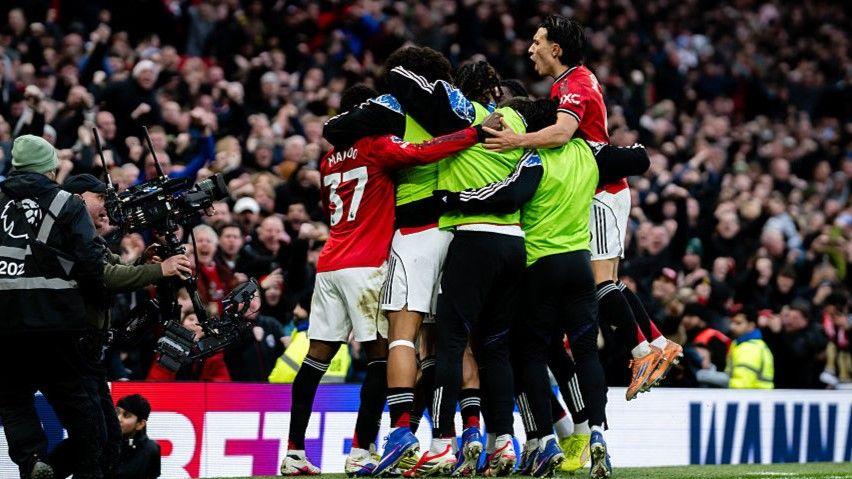
In the electrifying world of English football, few moments capture the raw emotion of Manchester United like a last-gasp victory at Old Trafford. As the Red Devils snatched a 3-2 thriller against Fulham on February 1, 2026, with Benjamin Sesko's injury-time winner, the ghosts of glory past were invoked. Michael Carrick, now steering the ship in his second spell as interim manager, couldn't help but reference the club's storied DNA—a lineage that includes one of the most iconic goals in its history, scored by Michael Owen in 2009.
From Anfield Prodigy to Global Star
Michael Owen's journey to football immortality began in the youth academies of Liverpool FC, where his blistering pace and clinical finishing marked him as a generational talent. Born in Chester in 1979, Owen burst onto the scene in 1997, scoring on his Premier League debut against Wimbledon. By the 1997-98 season, he had netted 18 goals, earning the PFA Young Player of the Year award and signaling the arrival of a new era for the Reds.
His zenith came in the 2000-01 campaign, where Owen's 24 league goals propelled Liverpool to a historic treble: the FA Cup, League Cup, and UEFA Cup. That summer, he added the Ballon d'Or to his trophy cabinet at just 21 years old, becoming the youngest winner since Ronaldo in 1997. Owen's synergy with Steven Gerrard and a young Jamie Carragher embodied Liverpool's attacking flair, but whispers of a move abroad soon surfaced.
The Real Madrid Dream and Harsh Realities
In 2004, Owen made the high-profile switch to Real Madrid for £8 million, joining the Galácticos alongside Zidane, Ronaldo, and Beckham. Initially, the move seemed a masterstroke; he scored on his debut and tallied 16 goals in his first La Liga season. However, persistent hamstring injuries—a recurring nightmare throughout his career—limited his impact. By 2005, after just one season, Owen was deemed surplus to requirements, returning to England amid heartbreak.
His time in Spain highlighted Owen's vulnerability. What began as a prolific scorer—over 150 goals for Liverpool in 297 appearances—descended into a battle against his body. Analysts often point to overtraining and the physical toll of his explosive style as culprits, a cautionary tale for modern forwards like Kylian Mbappé who prioritize speed over sustainability.
A Complicated Return to English Football
Back in the Premier League, Owen signed with Newcastle United in 2005 for a club-record £17 million. The Magpies faithful hoped for a revival, but injuries again struck, restricting him to 71 league games and 30 goals over three years. Despite flashes of brilliance, including a hat-trick against Tottenham, Owen's stint on Tyneside was marred by frustration and fan discontent.
The turning point came in 2009 when Manchester United came calling. Sir Alex Ferguson saw value in the 29-year-old's experience, signing him on a free transfer. Owen's United career was brief but memorable. Limited by injuries, he appeared in just 52 games, scoring 17 goals. Yet, his legacy is etched in one unforgettable moment: the 96th-minute winner in the Manchester derby against City on September 20, 2009.
The Iconic Derby Strike and Its Lasting Echo
Substituted on in the 74th minute with United trailing 2-3, Owen latched onto a pass from Ryan Giggs and slotted home past Shay Given. The Stretford End erupted, encapsulating the club's penchant for dramatic turnarounds. As Carrick reflected post-Fulham in 2026, 'It's the best feeling'—words that could have come straight from Owen's mouth after that derby.
This goal wasn't just a personal triumph; it symbolized Owen's resilience. In a career plagued by setbacks, moments like these affirmed his place among United's lore. Ferguson later praised Owen's professionalism, noting how he thrived in clutch situations despite limited minutes.
Post-Retirement: Punditry and Beyond
Owen hung up his boots in 2013 after a short, injury-riddled spell at Stoke City, where he added seven goals in 15 starts. Retiring at 33, he transitioned seamlessly into media, becoming a staple on BT Sport (now TNT Sports) and contributing to BBC and Sky Sports coverage. His analytical style—blunt yet insightful—has earned praise, though he's occasionally critiqued for favoring Liverpool in debates.
Beyond broadcasting, Owen runs a successful horse racing stable, with his thoroughbreds competing at top levels. He's also authored an autobiography, Off The Record, offering candid insights into his career's highs and lows. Today, at 46, Owen remains a respected voice in football, often drawing parallels between his era and the current game's evolution toward data-driven tactics and injury prevention.
Owen's Influence on Today's Manchester United
The recent United resurgence under Carrick—three straight Premier League wins, a return to fourth place—mirrors the grit Owen embodied. Post-Amorim, whose 14-month tenure yielded a dismal 1.23 points per game, Carrick's tactical tweaks, like reverting to a back four, have unlocked talents such as Kobbie Mainoo. Sesko's winner against Fulham evokes Owen's derby magic, reminding fans that United's DNA thrives on late drama.
As Carrick noted, such victories 'put layers on top' of mere results, fostering emotional bonds. Owen's 2009 strike did just that, and in 2026, it's a beacon for a club rebuilding. Whether through punditry or legacy goals, Michael Owen continues to inspire, proving that true football icons transcend time.
In an era of VAR and tactical rigidity, Owen's story underscores the beauty of unpredictability—the heart-pounding wins that define Manchester United and English football at its best.