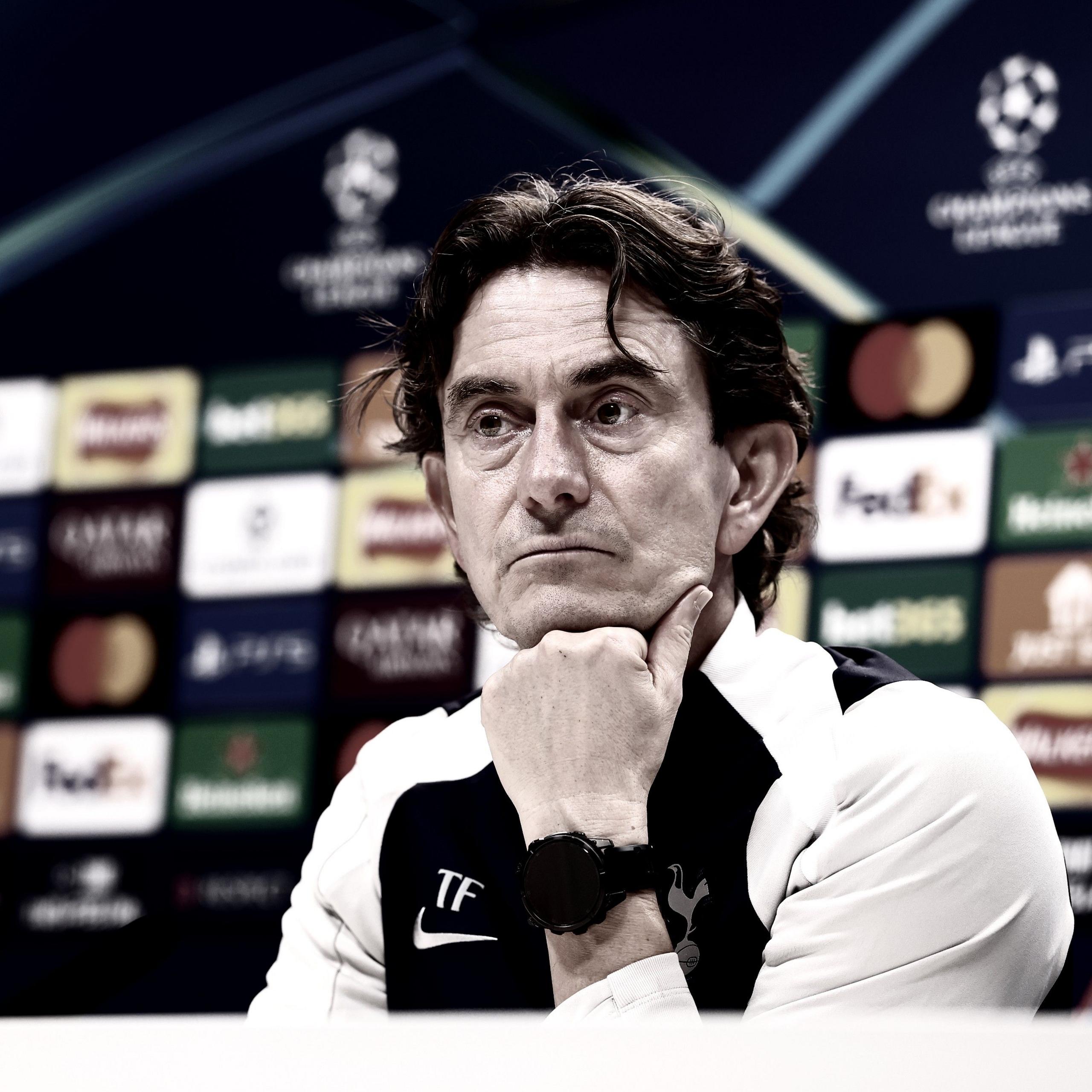
Thomas Frank: Brentford's Mastermind and Premier League Pioneer
Thomas Frank's name has become synonymous with smart, resilient football in the Premier League. As Brentford's manager since 2018, the Danish tactician orchestrated one of the most remarkable underdog stories in modern English football. From guiding the Bees to promotion from the Championship to establishing them as a stable top-flight outfit, Frank's tenure at Brentford showcased his blend of innovative tactics, player management, and cultural overhaul. Even as recent events at Tottenham Hotspur cast a shadow—where he was sacked after just eight months in charge—his legacy at Brentford remains untarnished. This article delves into Frank's journey at the club, analyzing his strategies, key achievements, and why he became the blueprint for managerial success on a budget.
Early Days: Arriving at Brentford and Building Foundations
When Thomas Frank took over as Brentford manager in October 2018, the club was languishing in the Championship. Replacing Dean Smith, who had led them to playoff heartbreak, Frank inherited a squad brimming with potential but lacking direction. The Dane, previously an assistant at Brøndby and with stints in England at youth levels, brought a fresh perspective rooted in data-driven decision-making and high-pressing football.
Frank's first full season in 2019-20 was a revelation. Brentford finished third in the Championship, narrowly missing automatic promotion but dominating the playoffs until a heartbreaking Wembley loss to Fulham. His emphasis on possession-based play, averaging over 60% ball control, set the tone. Off the pitch, Frank instilled a culture of discipline and respect, drawing from his experiences in Scandinavian football. Players like Said Benrahma and Pontus Jansson thrived under his guidance, with Benrahma's creativity becoming a cornerstone.
Tactical Innovations That Defined Brentford's Rise
What set Frank apart was his tactical adaptability. At Brentford, he popularized the 4-3-3 formation with fluid wingers and a robust midfield pivot, often exploiting opponents' weaknesses through set-piece mastery. The club's scouting network, led by director of football Phil Giles, complemented Frank's vision, unearthing gems like Ivan Toney and Bryan Mbeumo on modest budgets.
Analytics played a huge role; Brentford's use of expected goals (xG) metrics helped refine attacking patterns. In one memorable 2020 match against Swansea, Frank's side scored three from corners, highlighting their aerial threat. This data-savvy approach not only boosted results but also attracted attention from bigger clubs, foreshadowing Frank's allure to Tottenham.
The Promotion Triumph: Sealing Premier League Dreams
The 2020-21 season was Frank's masterpiece at Brentford. Unbeaten in their first 10 games, the Bees surged to the top of the Championship. Frank's squad rotation kept injuries low, and his man-management shone through. He fostered a 'family' environment, where players felt empowered—evident in Toney's 31-goal haul and the team's defensive solidity, conceding just 41 goals all season.
Promotion arrived in style: a 2-0 playoff final win over Swansea at Wembley in August 2021. Frank's pre-match talk, focusing on 'belief and bravery,' galvanized the team. This wasn't luck; it was the culmination of three years of meticulous planning. Brentford's £30 million wage bill paled against rivals, yet Frank's recruitment—snagging Christian Nørgaard from Molde—proved cost-effective genius.
Post-promotion, Frank's stock soared. He turned down advances from other clubs, committing to the Premier League challenge. His philosophy? 'Punch above your weight through intelligence, not money.' This resonated in Brentford's debut top-flight campaign, where they finished 13th, defying relegation odds.
Consolidating in the Premier League: Survival and Ambition
Brentford's 2021-22 season under Frank was a masterclass in adaptation. Facing giants like Manchester City and Liverpool, they secured vital wins, including a 2-0 upset over Arsenal. Frank's high line and counter-attacks exploited transitions, with Ollie Watkins' successor Toney netting 12 goals.
By 2023-24, Brentford hovered mid-table, blending youth like Yoane Wissa with veterans. Frank's handling of setbacks, such as Toney's betting ban, showcased resilience. He prioritized squad harmony, dropping players for lapses—like a star winger benched for tardiness—mirroring the discipline he later tried at Tottenham.
Financially, Frank's impact was profound. Player sales, including Benrahma to West Ham for £30 million, funded sustainability. Brentford's new stadium, Gtech Community Stadium, amplified their identity, with Frank crediting fan support as 'our 12th man.'
Player Management and Culture: Frank's Human Touch
Beyond tactics, Frank excelled in people skills. At Brentford, he built a respectful environment, punishing indiscipline fairly—much like dropping a latecomer from the lineup, only accepting apologies post-reflection. This approach won loyalty; players like Ethan Pinnock praised his 'fair but firm' style.
Contrast this with Tottenham, where similar efforts faltered amid egos. At Spurs, incidents like Yves Bissouma's Super Cup omission for lateness impressed some, but others, including Cristian Romero's outbursts, exposed cracks. Romero's red cards and social media rants tested Frank, who retained his captaincy despite tensions— a decision some saw as leniency.
Handshakes refused after losses, like post-Chelsea, were defused as 'frustration,' with private apologies following. Yet, at Brentford, such unity was the norm, contributing to their overachievement.
The Tottenham Shadow: Lessons from Eight Months of Struggle
Frank's June 2025 move to Tottenham, succeeding Ange Postecoglou, was hailed as shrewd. His Brentford success—promotion and consolidation—promised cultural renewal at Spurs. But eight months later, a 2026 sacking followed a Newcastle defeat. CEO Vinai Venkatesham and director Johan Lange pulled the trigger, backed by the Lewis ownership.
Player indiscipline, executive rifts, and tactical doubts doomed him. Fans' fury, initially at owners, aligned with the decision. Frank's positive culture clashed with Spurs' high expectations; dropping players backfired amid star power. Romero's preferential treatment irked squad mates, echoing unmanageable dynamics absent at Brentford.
Still, Frank's Brentford blueprint endures. His 150+ wins, promotion glory, and mid-table security cement his status.
Legacy: Why Thomas Frank Redefined Brentford
Thomas Frank leaves Brentford as a legend. He transformed a mid-tier club into Premier League regulars, proving vision trumps wealth. Tactics like set-piece dominance and data reliance influenced peers. As he eyes a return—perhaps abroad or back home—Brentford's model inspires clubs like Luton and Ipswich.
In a league of oligarchs, Frank's story is aspirational. His blend of discipline, innovation, and empathy built more than results: a sustainable force. As BBC Sport noted in his downfall analysis, Brentford was where he truly shone. For Everythiiing.com readers, Frank's journey underscores football's evolving landscape—one where brains beat brawn.
(Word count: 812)