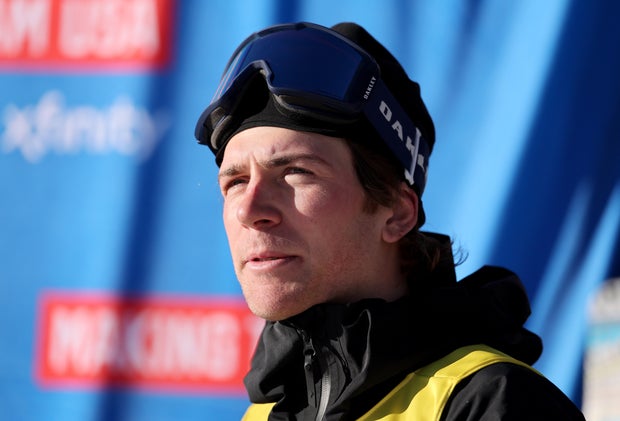
Boomer Esiason Weighs In on Olympian Controversy and Patriotism
The recent exchange between U.S. Olympian Hunter Hess and former President Donald Trump has ignited a national conversation about patriotism, free speech, and the role of athletes in a divided America. Amidst the heated public discourse, former NFL quarterback and current media personality Boomer Esiason has offered his seasoned perspective, drawing on his own experiences as a prominent figure in American sports.
The Genesis of the Controversy
The controversy began when freestyle skier Hunter Hess, when asked about representing the United States at the Winter Olympics, expressed having "mixed feelings." This nuanced response, suggesting a desire for improvement within the nation while still affirming his pride in representing Team USA, was met with a sharp rebuke from former President Trump, who labeled Hess "a real loser" on social media. Trump's statement quickly amplified the athlete's comments, turning a personal reflection into a national talking point.
Hess's Reaffirmation of Patriotism
In the wake of Trump's criticism, Hunter Hess took to social media to clarify his position. He stated, "I love my country. There is so much that is great about America, but there are always things that could be better. One of the many things that makes this country so amazing is that we have the right and the freedom to point that out." Hess emphasized the unifying power of the Olympics, especially in times of division, and reiterated his eagerness to compete for Team USA.
Boomer Esiason's Take on Athlete Expression
Boomer Esiason, a respected voice in sports broadcasting, has consistently advocated for athletes to have the freedom to express their views, while also understanding the weight of their platform. Speaking on his radio show, Esiason acknowledged the delicate balance athletes must strike. "Look, these are young people who are performing at the highest level," Esiason commented. "They're carrying the hopes and dreams of a nation on their shoulders. It's natural for them to have thoughts and feelings about the country they represent, especially when they're asked direct questions about it."
Patriotism Beyond Unquestioning Support
Esiason's perspective aligns with Hess's sentiment that patriotism doesn't necessitate blind allegiance. "Patriotism, in my mind, is about loving your country enough to want it to be the best it can be," Esiason explained. "That includes acknowledging its flaws and working to improve them. For an athlete to say they have 'mixed feelings' doesn't mean they don't love their country; it means they're engaged citizens who are thinking critically about the world around them." He drew a parallel to the evolution of sports figures using their voices, a trend that has become increasingly prominent in recent years.
The Role of Public Figures
The former NFL MVP also touched upon the responsibility of prominent public figures, including former presidents, when commenting on athletes. "When you're a figure of that stature, your words carry immense weight. Labeling an Olympian, someone who has dedicated years of their life to reaching this elite level, as a 'loser' for expressing a thoughtful opinion seems counterproductive to national unity," Esiason stated. He suggested that encouraging dialogue and understanding would be more beneficial than resorting to divisive rhetoric.
Navigating a Polarized Landscape
Esiason understands that in today's hyper-polarized environment, even seemingly minor comments can be amplified and politicized. He acknowledged the pressure athletes face, not only to perform but also to navigate complex social and political issues. "It's a tough tightrope to walk," he admitted. "You want to be authentic, you want to be true to yourself, but you also know that every word you say is being scrutinized. The USOC and other organizations have a role to play in supporting their athletes through these challenging times, ensuring they feel safe and supported in their expression."
Broader Implications for Sports and Society
The exchange serves as a microcosm of larger societal debates about free speech, national identity, and the expectations placed upon public figures. Esiason's commentary reinforces the idea that a healthy democracy allows for dissent and constructive criticism. As the Winter Olympics progress, the focus will undoubtedly return to the athletes' performances, but the underlying conversation about what it means to be a proud American, and how that pride is expressed, will likely continue to resonate.
Boomer Esiason's endorsement of thoughtful expression and his critique of dismissive language offer a measured perspective in a debate that has often been anything but. His insights remind us that true patriotism can encompass both love for one's country and a commitment to its ongoing betterment.
