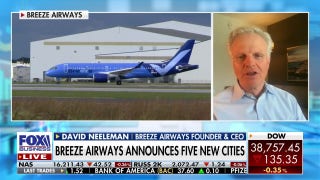
Breeze Airways Expands US Routes as Fees Draw Scrutiny
In the ever-competitive world of US air travel, Breeze Airways is making waves with its latest expansion plans. Founded by aviation veteran David Neeleman, the low-cost carrier is set to launch new routes connecting underserved markets across the country. As consumers become increasingly savvy about ancillary fees, Breeze's growth strategy highlights both innovation and the challenges facing budget airlines today.
The Rise of Breeze Airways
Breeze Airways burst onto the scene in 2021, positioning itself as a 'Nice Low Cost' carrier that prioritizes simplicity and affordability. Unlike traditional low-cost models that nickel-and-dime passengers at every turn, Breeze aims to streamline the experience with bundled fares that include options for checked bags and Wi-Fi. David Neeleman, the entrepreneur behind JetBlue and Azul Airlines, envisioned Breeze as a solution to connect smaller cities often overlooked by major carriers.
Starting with a modest fleet of Embraer E-Jets, Breeze quickly gained traction by targeting point-to-point routes. From its hubs in Salt Lake City, Utah, and Providence, Rhode Island, the airline has expanded to over 50 destinations, serving regions like the Midwest, Southeast, and West Coast. This focus on non-stop flights between secondary airports reduces layovers and costs, appealing to leisure travelers and business commuters alike.
David Neeleman's Vision
Neeleman's track record in aviation is impressive. After founding JetBlue in 2000, he revolutionized budget travel with free amenities and a customer-first approach. Breeze builds on this legacy but adapts to post-pandemic realities, where demand for domestic travel has surged while fuel costs and labor shortages persist. In a recent interview, Neeleman emphasized Breeze's commitment to growth: 'We have 100 Embraers on order, positioning us to serve even more communities efficiently.'
This massive order underscores Breeze's ambitious scale-up. The Embraer E195-E2 jets, known for their fuel efficiency and passenger comfort, will allow Breeze to operate longer routes without sacrificing its low-fare model. Deliveries are slated to begin in the coming years, potentially doubling the airline's capacity by 2028.
New Routes and Expansion Details
The latest announcement from Breeze includes a slew of new routes set to launch in early 2025, catering to seasonal demand and popular vacation spots. Key additions include:
- Non-stop service from Hartford, Connecticut, to Orlando, Florida, tapping into the Northeast's winter escape market.
- Direct flights between Richmond, Virginia, and San Diego, California, bridging the East and West Coasts for business and leisure.
- Expanded Midwest connections, such as Louisville, Kentucky, to Las Vegas, Nevada, ideal for convention-goers and gamblers.
These routes are strategically chosen to avoid congestion at mega-hubs like Atlanta or Dallas, instead leveraging smaller airports with lower landing fees. This not only keeps ticket prices down—often starting at $39 one-way—but also shortens travel times. Breeze's 'Nice' bundles, priced from $50 extra, include perks like priority boarding and seat selection, making it easier for passengers to customize without surprises.
Consumer Focus on Fees
While Breeze's expansion is exciting, it's not without controversy. As US airlines face regulatory scrutiny over hidden fees, consumers are watching closely. The Department of Transportation has proposed rules to eliminate 'junk fees' like family seating charges, and Breeze's model—while transparent—still relies on add-ons for revenue. Baggage fees, for instance, can add $40-60 per bag if not bundled, prompting comparisons to competitors like Southwest, which offers free checked bags.
Industry analysts note that Breeze's fee structure is competitive, with an average ancillary revenue per passenger around 20% lower than Spirit or Frontier. However, rising operational costs could pressure fares upward. 'Travelers are fee-fatigued,' says aviation expert Sarah Thompson. 'Breeze's success will hinge on balancing growth with perceived value.'
Challenges and Future Outlook
Navigating a crowded skies isn't easy. Breeze competes with giants like Delta and American, as well as ultra-low-cost rivals. Supply chain delays for new aircraft and pilot shortages have slowed some expansions, but Neeleman's experience gives Breeze an edge in operational efficiency.
Looking ahead, Breeze plans to enter international markets selectively, starting with short-haul flights to Mexico and the Caribbean. Sustainability is also on the radar, with Embraer's jets featuring 25% lower emissions than older models. As the US travel rebound continues—projected to hit 1 billion passengers annually by 2025—Breeze is poised to capture a slice of the $200 billion domestic market.
In summary, Breeze Airways' expansion reflects a broader trend toward accessible air travel. By connecting overlooked destinations and ordering a substantial fleet, the airline is betting on American wanderlust. Yet, as fees remain a hot-button issue, Breeze must prove its 'Nice' promise to win loyal flyers. Whether you're planning a quick getaway or a cross-country jaunt, keep an eye on Breeze for deals that might just make flying feel like a breeze.
(Word count: 752)