F-22s Pulled from Super Bowl LX Flyover for Ops
In a twist that blends high-stakes military priorities with America's biggest sporting spectacle, the U.S. Air Force has confirmed that its stealthy F-22 Raptor jets will not participate in the Super Bowl LX flyover. Scheduled for February 2026 in a yet-to-be-announced host city, the event was meant to showcase cutting-edge American airpower. However, operational demands have forced a last-minute adjustment, swapping the Raptors for a robust lineup of bombers and fighters from both the Air Force and Navy.
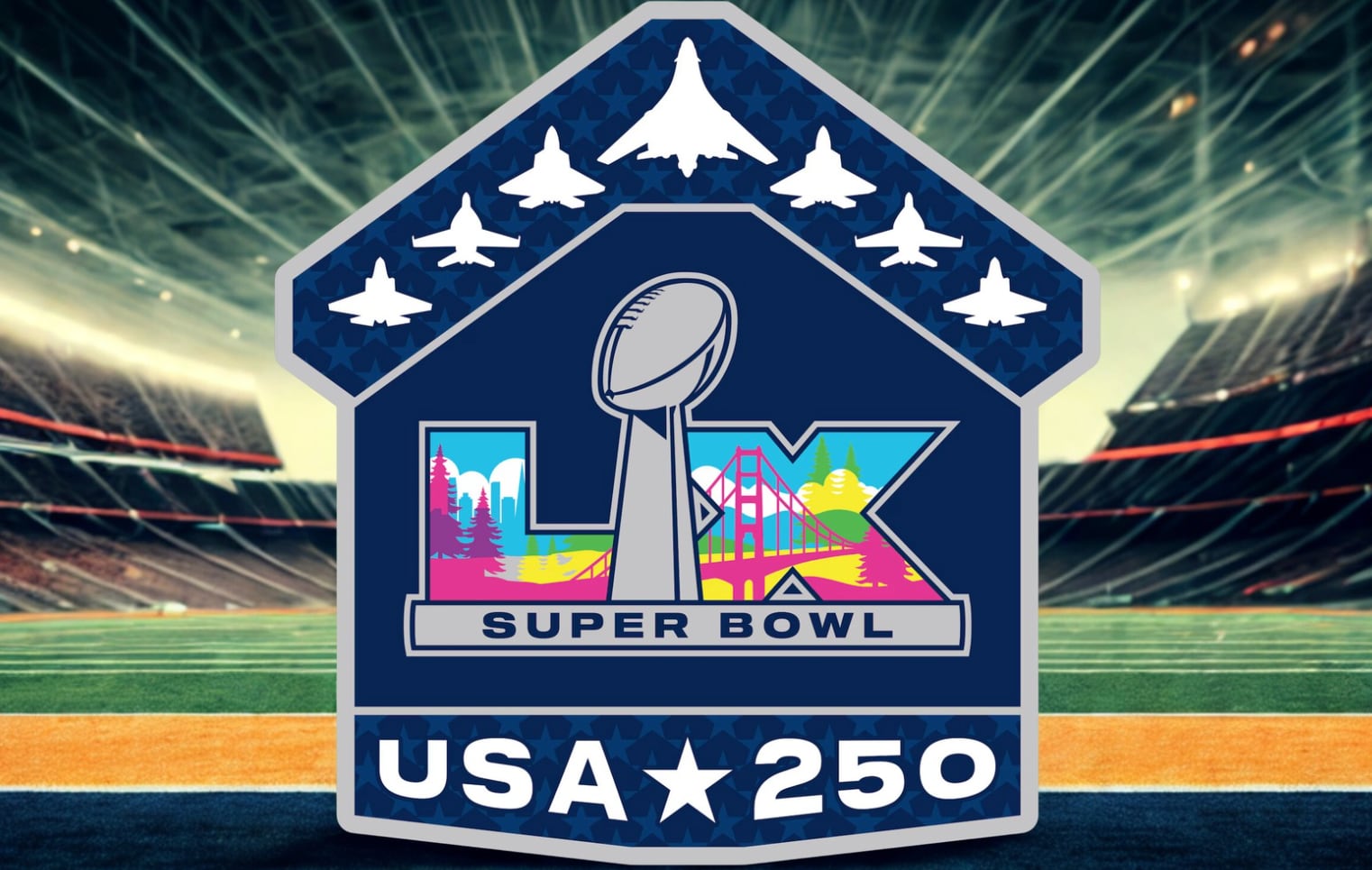
The Patch That Tells the Story
Attention to detail is everything in military planning, and the commemorative flight suit patch for Super Bowl LX reveals the original vision. It features silhouettes of the F-22 Raptor alongside other aircraft, hinting at what could have been. Katie Spencer, the Department of the Air Force's Sports Outreach Program manager, explained in an exclusive interview that the F-22s were initially selected to highlight fifth-generation fighters from both services.
"We wanted fifth-generation aircraft from the Air Force and fifth-generation aircraft from the Navy," Spencer said. The plan called for a pair of F-22s to join Navy F-35C Lightnings, creating a symphony of stealth and speed over the stadium. But as Spencer noted, "operational tempo has increased," pulling the Raptors for undisclosed assignments.
Operational Demands in a Tense World
The decision underscores the unpredictable nature of modern military commitments. While specifics remain classified, recent U.S. operations provide context. In June 2025, F-22s supported Operation Midnight Hammer, a B-2 Spirit-led strike on Iranian nuclear facilities. More recently, in January and early February 2026, various U.S. aircraft targeted ISIS positions in Syria under Operation Hawkeye Strike. These missions demand the Raptor's unmatched air superiority capabilities, leaving little room for ceremonial flights.
Spencer's comments highlight how such events are not mere pageantry but integral to readiness. The flyover, she emphasized, serves as "time-over-target training for our crews" and recovery practice for maintainers. This dual purpose ensures proficiency in scenarios like Midnight Hammer, without additional taxpayer costs—pilots log essential flight hours en route to the event.
A Historic Joint Flyover Takes Shape
Despite the change, the Super Bowl LX flyover promises to be a spectacle, marking the first joint effort between the Air Force and Navy. Themed around the United States' 250th anniversary in 2026, it symbolizes enduring American strength and innovation in aviation.
Leading the formation is the Air Force's B-1 Lancer bomber, affectionately called "the Bone" by enthusiasts. Its massive wingspan and supersonic speed make it a fitting symbol of strategic power. "Our bombers are beloved by everybody," Spencer said, "and they really replicate what it means to be time over target." Trailing the B-1 will be F-15C Eagle fighters from California's Fresno Air National Guard Base, stepping in at the eleventh hour to fill the gap left by the F-22s.
"Our Guard members have stepped in to fill that role, and we’re super grateful for that," Spencer added. The Navy contributes F/A-18 Super Hornets and F-35C Lightnings, blending carrier-based prowess with stealth technology. The F/A-18, an iconic workhorse of naval aviation, and the F-35C, the Navy's variant of the Joint Strike Fighter, round out a formation that showcases inter-service collaboration.
From Planning to Execution: Ensuring Precision
Coordinating such a display requires meticulous planning. The aircraft will approach the stadium in a tight formation, timed precisely to the national anthem's crescendo. For the crews, it's more than a flyby—it's a rehearsal for combat maneuvers, honing skills in formation flying, low-altitude passes, and rapid coordination across branches.
This isn't the first time military flyovers have graced the Super Bowl, but the joint Air Force-Navy element elevates it. Past events have featured solo service displays, like the Thunderbirds or Blue Angels, but this integrated approach reflects evolving joint operations in today's military landscape.
Broader Implications for Military-Sports Ties
The Super Bowl flyover tradition dates back decades, fostering public appreciation for the armed forces while providing tangible benefits to service members. Events like this boost morale, recruit new talent, and remind civilians of the sacrifices behind the spectacle. In an era of budget scrutiny, Spencer's assurance of no extra funding is crucial—it positions these flyovers as efficient training tools rather than extravagances.
Yet, the F-22's absence sparks curiosity about U.S. military priorities. With global tensions simmering—from the Middle East to the Indo-Pacific—the Raptor's reassignment signals that real-world threats trump symbolic gestures. For aviation fans and patriots alike, the adjusted lineup still delivers awe-inspiring visuals, from the B-1's thunderous roar to the F-35C's sleek silhouette.
As Super Bowl LX approaches, expect heightened buzz around this aerial tribute. It not only celebrates gridiron glory but also honors the pilots and ground crews who keep America's skies secure. In a year marking 250 years of independence, the flyover stands as a modern testament to the nation's innovative spirit and unyielding defense posture.
Stay tuned to Everythiiing.com for updates on Super Bowl LX and more insights into the intersection of sports, military, and American culture.

