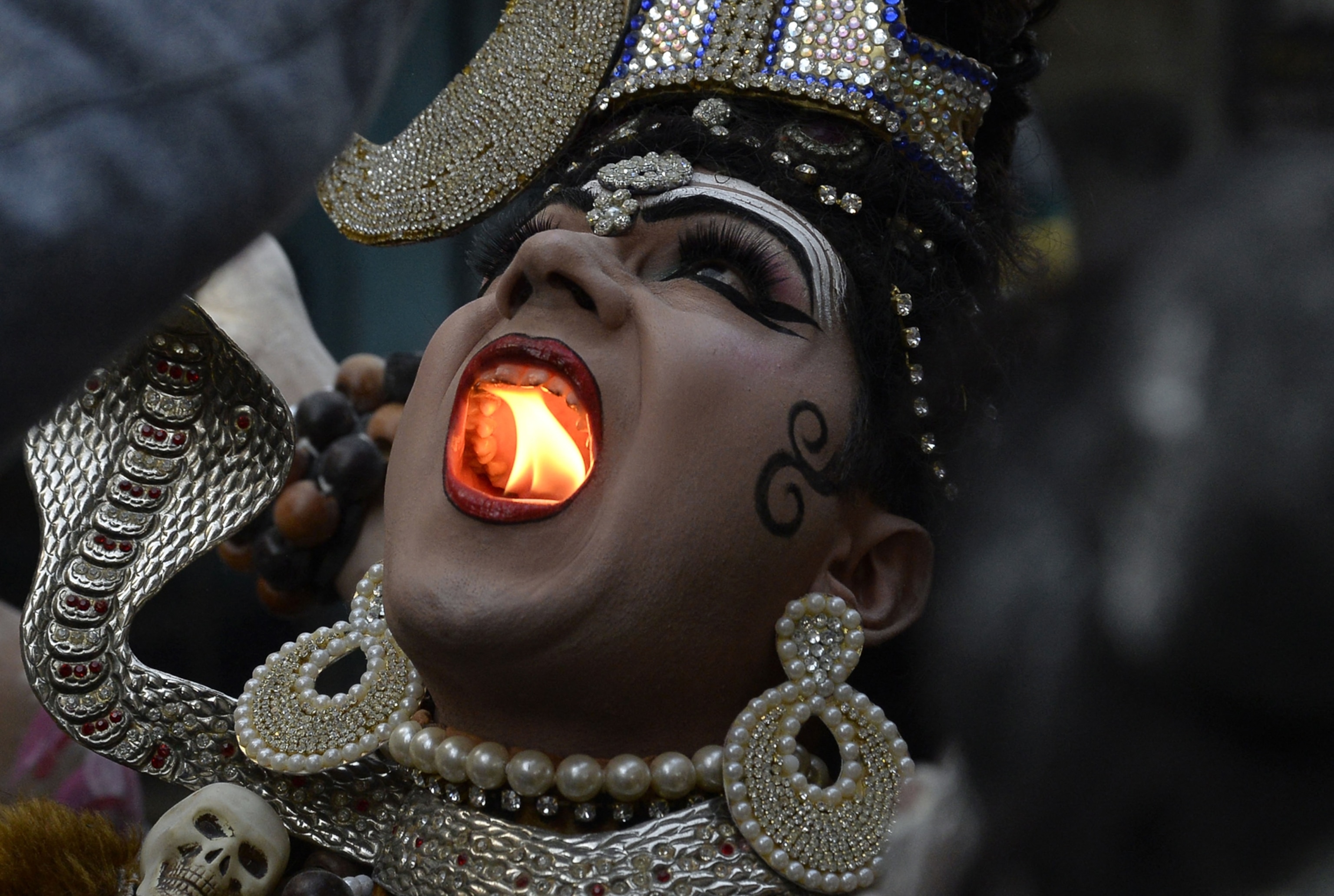
As the calendar turns towards February 2026, Hindu communities across the United States are preparing to observe Maha Shivaratri, often referred to as the "Great Night of Shiva." This annual festival, steeped in ancient lore and profound spiritual significance, marks one of the holiest nights in Hinduism, dedicated to Lord Shiva, one of the principal deities in the Hindu pantheon.
The Essence of Maha Shivaratri
Maha Shivaratri, which translates to the "Great Night of Shiva," is a festival that commemorates a confluence of significant events and beliefs surrounding Lord Shiva. While Diwali and Holi are widely recognized globally, Maha Shivaratri holds a unique and paramount importance for devotees of Shiva, particularly the Shaivites, who number over 300 million worldwide. The festival is not merely a celebration but a deep dive into the cosmic narrative of creation, destruction, and spiritual awakening.
Ancient Legends and Cosmic Significance
The origins of Maha Shivaratri are rooted in several ancient Hindu legends, each contributing to its multifaceted significance. One of the most prominent narratives celebrates the divine marriage of Lord Shiva and Goddess Parvati. Their union is seen as the cosmic fusion of pure consciousness (Shiva) and creative energy (Parvati), which is believed to have brought balance to the universe and initiated the cycle of creation and sustenance. This sacred marriage is often symbolically depicted as Ardhanarishvara, a form that is half male and half female, representing the intrinsic unity of masculine and feminine energies.
Another key legend associated with Maha Shivaratri is the story of Shiva saving the universe. It is believed that during a cosmic crisis, Shiva consumed a potent poison that emerged from the churning of the cosmic ocean (Samudra Manthan) to protect the world. He held the poison in his throat, turning it blue, and in gratitude for this act of sacrifice, devotees offer prayers and observe fasts.
Furthermore, Maha Shivaratri is also linked to Shiva's cosmic dance, known as Tandava. This dance is not merely an artistic expression but represents the eternal rhythm of the universe – its creation, preservation, and dissolution. The night-long vigil during Maha Shivaratri allows devotees to connect with this cosmic energy and reflect on the cyclical nature of existence.
Observances in the US
In the United States, the observance of Maha Shivaratri is a vibrant reflection of Hindu traditions, adapted within a diasporic context. While the scale and specific rituals might vary between different temples and communities, the core spirit of devotion remains consistent. Devotees typically engage in a night-long vigil, fasting, and offering special prayers to Lord Shiva.
Fasting and Prayer
Fasting is a central aspect of Maha Shivaratri. Many devotees observe a strict fast throughout the day, abstaining from food and sometimes even water, breaking it only after the auspicious time following the night's worship. This act of self-discipline is considered a way to purify the mind and body, enhancing spiritual receptivity.
The night is dedicated to continuous prayer, chanting of mantras like "Om Namah Shivaya," and meditation. Many Hindu temples across the US, from major metropolitan areas to smaller towns, host special pujas (worship ceremonies) that extend through the night. These ceremonies often involve the ritualistic offering of water, milk, curd, ghee, honey, and fruits to the Shiva Lingam, the aniconic representation of Shiva. The offering of Bilwa leaves, known for their association with Shiva, is also a significant ritual.
Spiritual Reflection and Community
Beyond the rituals, Maha Shivaratri provides an opportunity for introspection and spiritual growth. It encourages devotees to reflect on their lives, strive for inner peace, and seek the blessings of Lord Shiva for strength, wisdom, and liberation from worldly attachments. The festival also fosters a strong sense of community, bringing together families and friends to share in devotion and cultural heritage.
Amy Allocco, a professor of religious studies, notes that "Hindu festivals are marked and celebrated in diverse ways in India’s different linguistic and cultural regions, as well as in diasporic contexts." This diversity is evident in the US, where various regional Hindu traditions contribute to the collective celebration of Maha Shivaratri, enriching the spiritual landscape of the nation.
As Maha Shivaratri 2026 approaches, the spiritual fervor is expected to be palpable. It serves as a powerful reminder of the enduring legacy of Hinduism and the universal quest for spiritual connection, even amidst the diverse tapestry of American life.
