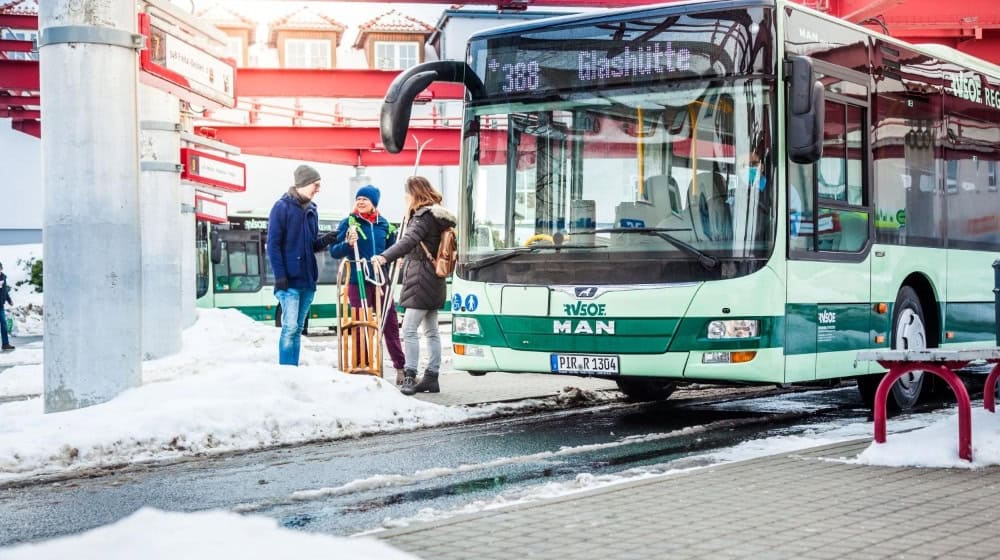
Meissen's VVO Buses Run Strong During School Holidays
In the picturesque city of Meissen, nestled along the Elbe River in Saxony, Germany, public transportation remains a vital lifeline for residents and visitors alike. Known worldwide for its iconic porcelain heritage and medieval charm, Meissen is more than just a historical gem—it's a hub of efficient regional mobility. As school holidays kick in across Saxony, one might expect a slowdown in bus services, but the Verkehrsverbund Oberelbe (VVO) is proving otherwise. Their PlusBus and TaktBus lines continue to operate on a dense schedule, ensuring that connections between cities, villages, and leisure spots stay intact.
The Backbone of Regional Travel in Meissen
Meissen, with its population of around 30,000, serves as a key node in the VVO network, which spans from Riesa to the Sächsische Schweiz, Hoyerswerda to the Osterzgebirge. During typical school terms, buses cater heavily to students, but come holiday season, many regional lines thin out. Not so with VVO's core offerings. Stefan Gerstenberg, a VVO spokesperson for public transport services, explains: "When Saxony's students are on break, numerous regional bus lines reduce frequency since their primary passengers are absent. Our PlusBus and TaktBus lines, however, don't take vacations."
This commitment to consistency is crucial in a region where public transit bridges rural and urban divides. For instance, the PlusBus 360 line runs frequently from Dresden right up to the ski slopes of Altenberg, making it a go-to for winter sports enthusiasts even in off-peak times. Other routes connect Meissen seamlessly to destinations like Großenhain, Nossen, Pulsnitz, and Sebnitz, while broader links tie in Kamenz to Bautzen and Hoyerswerda to Cottbus. These services operate with all standard VVO tickets, keeping travel affordable and accessible.
PlusBus: Hourly Reliability Year-Round
The VVO boasts 25 PlusBus lines that maintain an hourly rhythm from Monday to Friday. Even on Saturdays, there's a minimum of six trips per direction, and Sundays and holidays see at least four. This structured approach minimizes wait times and syncs well with train connections, creating a multimodal travel ecosystem. Since 2018, state funding from the Freistaat Sachsen has expanded these lines, with over three million euros allocated this year alone. This financial boost, shared among local districts, the state, and VVO, underscores a dedication to sustainable, inclusive transport.
For Meissen locals, this means reliable commutes to work or shopping in nearby Dresden, just a short ride away. Tourists, drawn to Meissen's porcelain museum or the Gothic Albrechtsburg Castle, benefit from easy access to surrounding natural wonders like the Elbe Sandstone Mountains.
TaktBus: Connecting the Smaller Spots
Complementing the PlusBuses are five TaktBus lines that link smaller communities to central hubs, running every two hours—including Saturdays and early evenings. Unlike student-focused routes that halt during ferien, these persist, offering short transfer times to larger bus or rail services. In Meissen's vicinity, such lines ensure that even remote villages remain plugged into the network, fostering economic and social ties.
Why This Matters for Meissen and Saxony
Meissen's story is intertwined with Saxony's broader push for resilient public transport. The city, famed for inventing European porcelain in 1710 at the Meissen Porcelain Manufactory, attracts over 200,000 visitors annually. Yet, beyond tourism, it's a living community where efficient mobility supports daily life. The VVO's holiday continuity addresses a common pain point in rural Germany: isolation during low-demand periods.
From an environmental standpoint, these buses promote greener travel. Saxony, with its dense forests and rivers, is a haven for eco-conscious explorers. By keeping buses running, VVO reduces car dependency, aligning with EU goals for sustainable mobility. Riders can access schedules via the VVO hotline at 0351 8526555 or the website www.vvo-online.de/plusbus, making planning a breeze.
Broader Context: Meissen's Transport Evolution
Meissen's transport infrastructure has evolved significantly. Historically reliant on river trade along the Elbe, the city now integrates buses with Dresden's S-Bahn and regional trains. The VVO, formed in 1992, unifies fares and timetables across 1,200 square kilometers, serving 1.2 million people. Recent expansions, like the PlusBus integrations, reflect post-pandemic recovery efforts, emphasizing reliability to rebuild public trust in transit.
Challenges persist, though. Rural depopulation and aging infrastructure demand ongoing investment. Yet, initiatives like Saxony Digital aim to modernize with apps for real-time tracking, potentially revolutionizing Meissen's bus experience. For US travelers eyeing a European escape, Meissen offers an authentic slice of Germany—compact, cultured, and connected.
Tips for Navigating Meissen by Bus
Whether you're a local heading to the weekly market or a visitor en route to the Meissen Cathedral, here's how to make the most of VVO services:
- Buy Tickets Smartly: Use the VVO app or machines for day passes covering multiple modes.
- Plan Ahead: Check for seasonal tweaks, though core lines remain steady.
- Explore Beyond: Pair a bus ride with a hike in the nearby hills for a full-day adventure.
- Sustainability Perk: Opt for buses to cut your carbon footprint while enjoying Saxony's scenery.
In essence, Meissen's VVO buses exemplify how thoughtful planning keeps communities moving. As Saxony balances tradition with modernity, these reliable routes ensure the city's heartbeat never skips—holidays or not.

