Salvation Army Faces Financial Hurdles, Leading to US Clothing Bank Closures
The Salvation Army, a venerable Christian charity known for its extensive social services and thrift stores, is implementing significant changes to its operations across the United States, including the closure of numerous clothing banks. This strategic shift is attributed to mounting financial pressures, primarily stemming from decreased resale values of donated clothing and escalating operational costs.
Understanding the Financial Strain
In a statement that has resonated with communities nationwide, a spokesperson for The Salvation Army explained that the decision to reduce the number of clothing banks is a necessary measure to "use our resources more effectively." The charity, which operates thousands of clothing banks throughout the US, has cited a significant drop in the interest and profitability of second-hand clothing. This decline is largely attributed to the proliferation of cheap, low-quality new clothing readily available through fast fashion retailers and online marketplaces. The economic reality is that the market value of donated garments has diminished, making the extensive network of clothing banks less financially sustainable.
Beyond the reduced resale income, The Salvation Army is also grappling with increased transport and running costs associated with managing these donation points. The logistics of collecting, sorting, and processing donations, coupled with rising fuel prices and labor expenses, have created a challenging financial landscape. This has prompted a critical review of their operational model, leading to the difficult decision to consolidate and streamline their donation infrastructure.
Community Impact and Local Responses
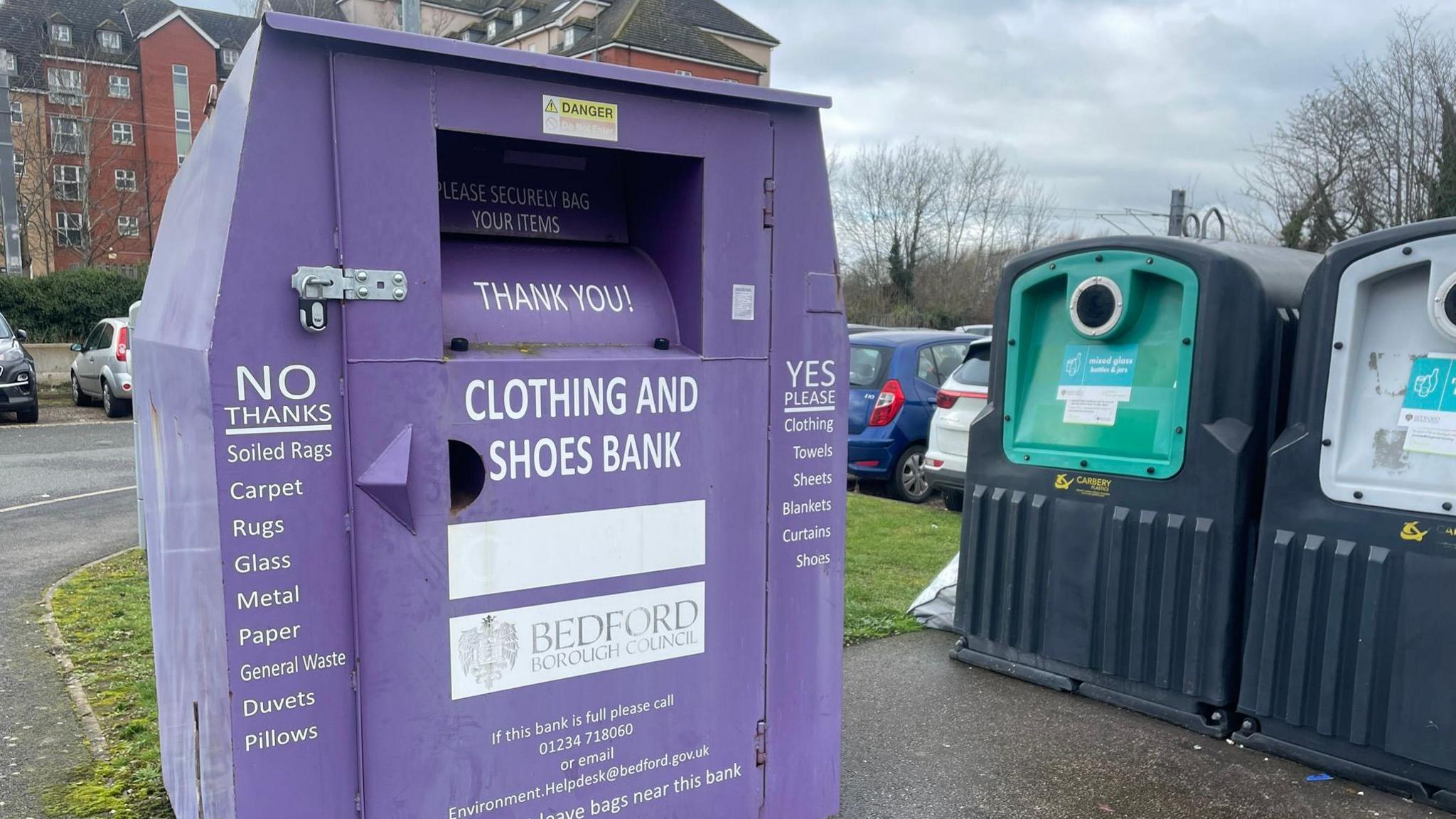
The closure of these accessible donation points has understandably caused concern among residents who rely on them for convenient ways to declutter and contribute to charitable causes. In areas like Bedford, UK (as reported by BBC News), local authorities are actively exploring solutions to bridge the gap left by The Salvation Army's decision. Bedford Borough Council, for instance, is investigating options to replace the affected clothing banks and is considering introducing a dedicated kerbside collection service for textiles. This proactive approach highlights the importance placed on recycling and reuse by local governments and their commitment to supporting residents' desire to donate responsibly.
While The Salvation Army navigates these operational changes, they continue to emphasize the vital need for good quality second-hand clothing in their charity shops and donation centers. Residents are encouraged to continue supporting their mission by donating directly to these established locations or through their postal donation services. The charity also advises against leaving bags of donations at or beside removed banks, as this can create unsightly messes and potential environmental hazards, and may even result in fines.
Rethinking Donation Habits
The evolving landscape of clothing donations prompts a broader conversation about our consumption and disposal habits. The rise of fast fashion has not only impacted the resale value of donated items but also contributed to a culture of disposability. As The Salvation Army adapts, individuals and communities are being encouraged to explore alternative avenues for donating and reusing clothing:
- Charity Shops: Direct donations to The Salvation Army's own retail stores or other local charity shops remain a crucial source of income and essential goods for those in need.
- Retailer Take-Back Programs: Some clothing retailers offer in-store recycling or take-back programs for old garments.
- Textile Recycling Centers: Dedicated textile recycling facilities can process clothing that may not be suitable for resale, diverting it from landfills.
- Repair and Reuse: Encouraging the repair of clothing through local alteration services or community repair cafes can extend the lifespan of garments and reduce waste.
- Online Donation Platforms: Various online platforms facilitate the donation and exchange of clothing.
It is also important to remember that clothing and shoes should not be placed in standard household waste bins, as they are typically not processed by municipal waste collection services and contribute to landfill waste. Residents are urged to utilize designated recycling points and facilities for textile disposal.
The Salvation Army's Enduring Mission
Despite the operational adjustments, The Salvation Army's core mission to provide assistance to those experiencing poverty, homelessness, and other social challenges remains unwavering. The charity continues to be a critical safety net for countless individuals and families across the US, offering a wide range of services including emergency assistance, shelter, addiction recovery programs, and job training. The revenue generated from their thrift stores, which includes the sale of donated clothing, plays a significant role in funding these vital programs.
By strategically re-evaluating their clothing bank network, The Salvation Army aims to ensure the long-term sustainability of their services. This move, while challenging, is a testament to their commitment to adapting to changing economic conditions and continuing to serve communities effectively. As the organization navigates this period of transition, public understanding and continued support through alternative donation methods will be crucial in helping them maintain their vital work.
