Trump Lashes Out at CNN's Kaitlan Collins Over Epstein Files Query
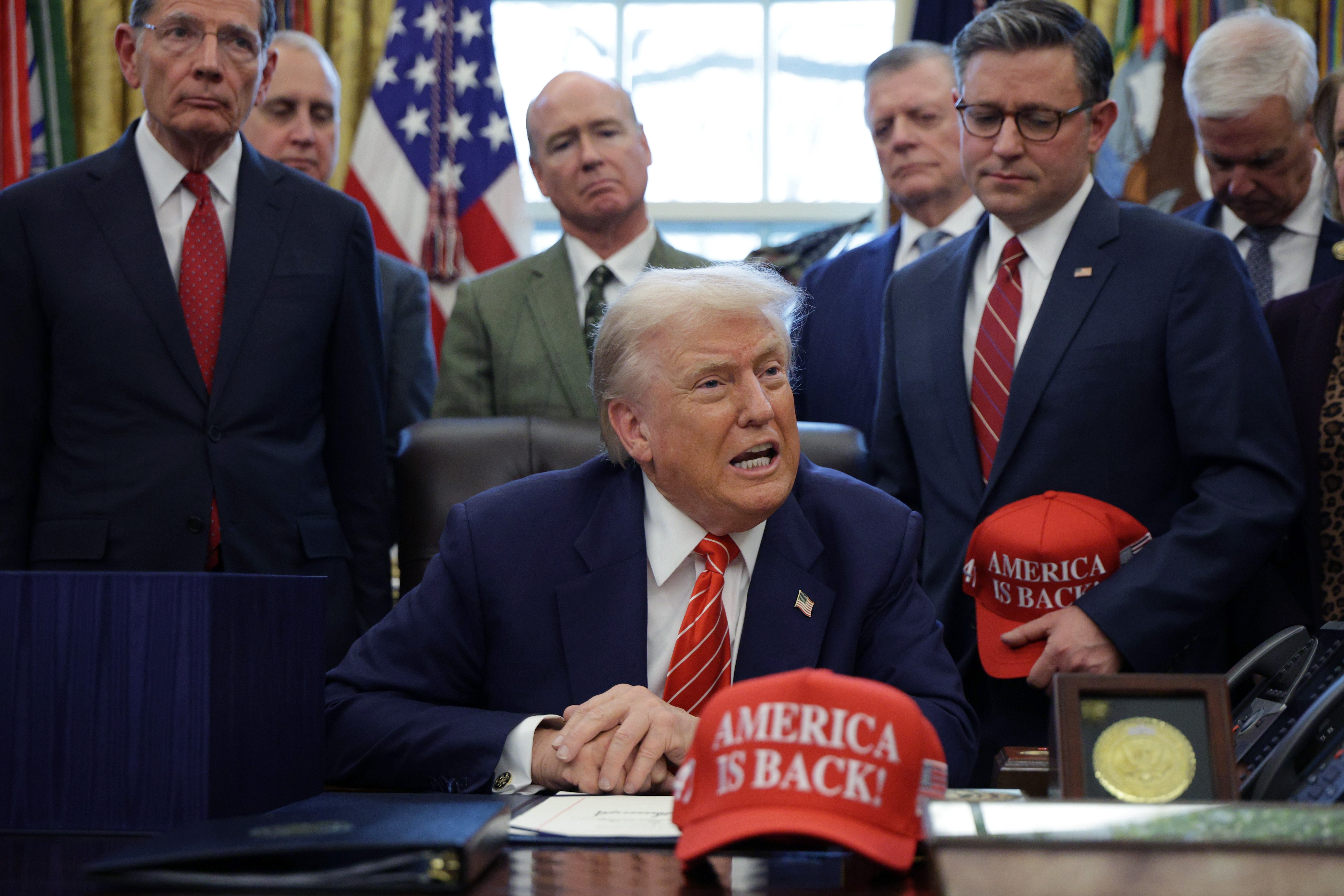
In a charged moment during a White House Oval Office briefing on February 3, 2026, President Donald Trump turned his ire toward CNN's seasoned White House correspondent, Kaitlan Collins. The exchange, which quickly went viral, saw Trump deflect pointed questions about newly released Jeffrey Epstein documents, ultimately labeling Collins the 'worst reporter' and making a personal jab about her demeanor. This incident underscores the ongoing friction between the Trump administration and the press, particularly as scrutiny intensifies around Epstein's shadowy network of associates.
The Confrontation Unfolds
The briefing began routinely but escalated when Collins, known for her tenacious reporting style, pressed Trump on the latest tranche of Epstein files. These documents, unsealed in recent weeks, reference high-profile figures including Tesla and X CEO Elon Musk and U.S. Secretary of Commerce Howard Lutnick. Collins sought clarity on Trump's stance regarding these mentions and the broader implications for justice in Epstein's sex-trafficking scandal.
Trump, admitting he hadn't delved into the files himself, dismissed concerns with characteristic bravado. 'I'm sure it's fine,' he remarked, suggesting that any damning revelations would have already sparked 'major headlines.' As Collins persisted, inquiring about accountability for Epstein's victims—many of whom continue to seek closure years after his 2019 death—Trump's tone shifted from deflection to outright hostility.
'I think it's really time for the country to get onto something else, really,' Trump said, attempting to pivot the conversation. But when Collins refused to let up, emphasizing the plight of survivors, the president interrupted her mid-sentence. He launched into a rant about CNN's coverage, calling Collins 'the worst reporter' and then veering into personal territory: 'You know she's a young woman... I don't think I've ever seen you smile.' He added, 'I've known you for 10 years, I don't think I've ever seen a smile on your face.'
Collins, maintaining her composure, responded firmly: 'Well, I'm asking you about survivors of Jeffrey Epstein, Mr. President.' The room fell tense as Trump spoke over her, implying her seriousness stemmed from biased reporting. The moment, captured on camera, has since been dissected across media outlets, with clips circulating widely on social platforms.
Who Is Kaitlan Collins?
A Rising Star in Political Journalism
Kaitlan Collins has been a fixture in White House reporting since joining CNN in 2017. Born in Alabama in 1992, she graduated from the University of Alabama and quickly climbed the ranks at outlets like the Daily Caller before landing at CNN. Her coverage of Trump's first term earned her a reputation for unflinching questions, often putting her at odds with the administration.
Collins moderated the inaugural CNN Republican primary debate in 2023 and hosts the podcast 'The Source with Kaitlan Collins.' Her style—direct, fact-driven, and unyielding—has drawn both praise from journalism peers and criticism from Trump loyalists. This isn't the first time Trump has targeted her; during his presidency, he banned her from a press event in 2018 after tough questioning at a Rose Garden briefing. Despite such pushback, Collins has become a symbol of resilient media scrutiny in an era of polarized politics.
Navigating Trump's Media Minefield
Collins' approach reflects a broader challenge for journalists covering Trump: balancing aggressive fact-checking with the risk of personal attacks. Her persistence in this Epstein exchange exemplifies why she's respected in the field. As one media analyst noted, 'Collins doesn't back down, which is exactly what accountability journalism demands in high-stakes environments like the White House.'
Context of the Epstein Files
The Epstein saga continues to reverberate through American politics and culture. Jeffrey Epstein, the financier convicted of sex trafficking, died by suicide in jail in 2019 while awaiting trial. Subsequent document releases have peeled back layers of his elite connections, implicating figures from Hollywood to Wall Street.
The February 2026 batch, which prompted Collins' questions, includes depositions and emails naming Musk and Lutnick among others. Neither has been accused of wrongdoing, but their mentions fuel speculation about Epstein's influence. Trump himself has a tangential Epstein history; he once called Epstein a 'terrific guy' in a 2002 interview but later distanced himself, barring Epstein from Mar-a-Lago after learning of his behavior.
Victims' advocates, including those from the National Center for Missing & Exploited Children, have hailed the releases as steps toward transparency but decry the slow pace of justice. Collins' focus on survivors aligns with growing calls for comprehensive investigations, especially as political figures like Trump urge moving on.
Implications for Trump and the Media Landscape
Trump's outburst isn't isolated; his administration has long viewed mainstream media as adversaries, dubbing outlets like CNN 'fake news.' This briefing incident revives questions about press access and the personal toll on reporters. Critics argue Trump's smile comment trivializes serious journalism, reducing Collins to her appearance rather than her questions.
From an SEO and public interest standpoint, the story amplifies searches around 'Trump Epstein connection' and 'Kaitlan Collins Trump feud.' It also highlights Trump's deflection strategy: when cornered on scandals, pivot to attacking the messenger. As the 2026 midterms loom, such clashes could energize his base while alienating moderates concerned with accountability.
Collins, for her part, later addressed the exchange on CNN, reiterating her commitment to victims' stories. 'My job is to ask the tough questions, smiles or not,' she said. The episode serves as a microcosm of America's divided media ecosystem—where truth-seeking meets political theater.
In the end, while Trump pushes to 'move on,' the Epstein files and their fallout ensure these conversations persist. Journalists like Collins remain at the forefront, holding power to account one unyielding question at a time.
This article is based on reporting from The Independent and public White House footage. Everythiiing.com will continue monitoring developments in this story.
:max_bytes(150000):strip_icc()/tommy-mcardle-5e3953ee43c1470a8a208108c0692917.jpg)