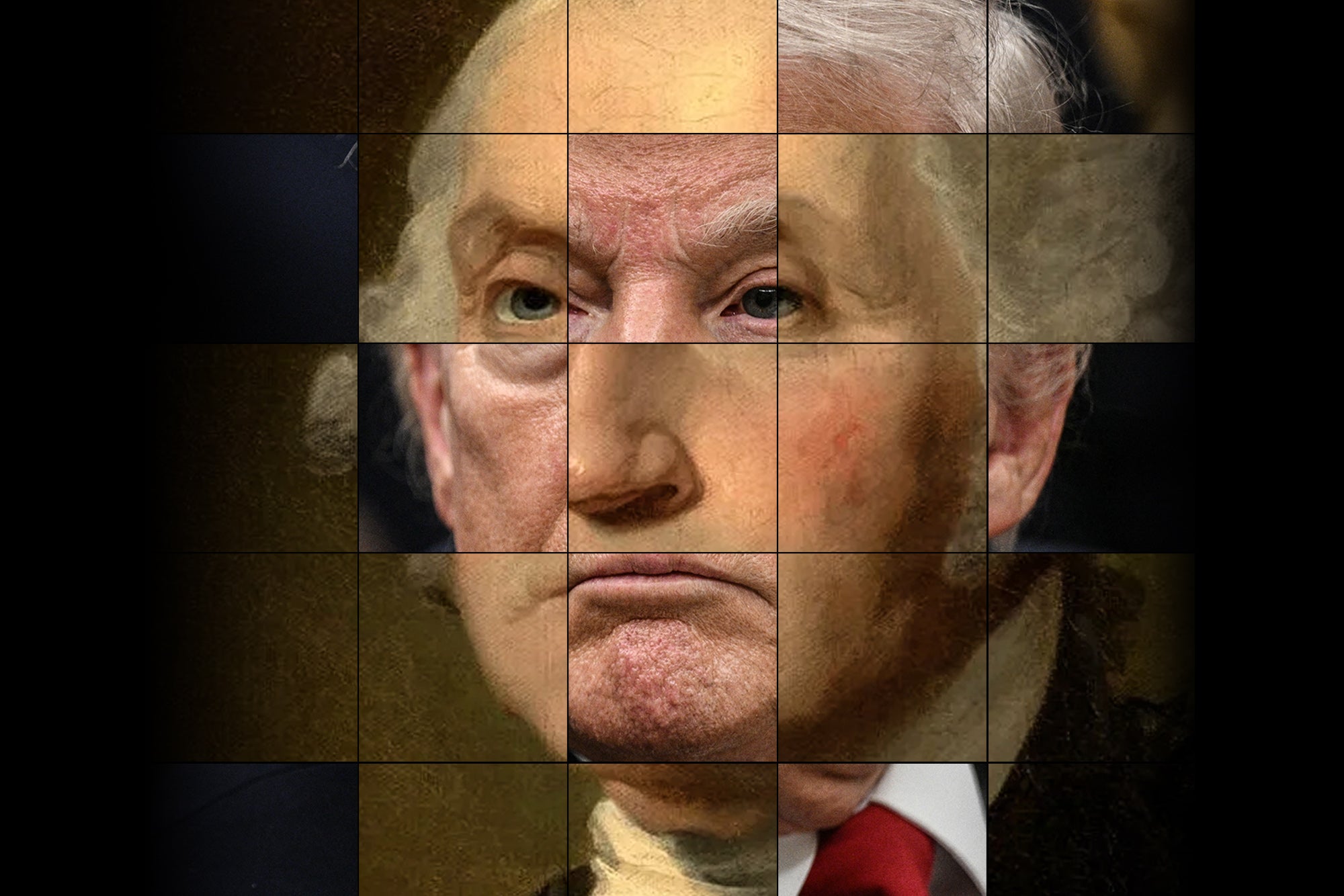
George Washington's Enduring Legacy: A Masterclass in Power and Restraint
As the United States approaches its semiquincentennial, a period of reflection on its foundational figures is inevitable. Among them, George Washington stands as a colossus, a figure whose actions not only shaped the nascent nation but continue to offer profound lessons in leadership. While superficial similarities might be drawn between Washington and modern leaders, a deeper examination reveals a fundamental divergence, particularly when contrasted with the tenure of Donald Trump.
The Relinquishing of Power: A Defining Trait
One of the most striking differences between George Washington and Donald Trump lies in their approach to power. Washington, a man born into privilege and accustomed to command, repeatedly demonstrated a remarkable capacity for selflessness, most notably by voluntarily stepping down from positions of immense authority. This decision was not merely a one-off event; it was a conscious choice that set a precedent for the American presidency.
A Conscious Act of Restraint
After leading the Continental Army to victory in the Revolutionary War, Washington famously resigned his commission, a move that astonished the world and solidified his image as a citizen-soldier. Later, after serving two terms as the first President of the United States, he again chose to retire, establishing an informal term limit that would influence the presidency for nearly 150 years. This deliberate relinquishing of power was not born of weakness, but of a profound understanding of the dangers of unchecked authority and a commitment to the principles of a republic. In an era that valued civic virtue and selfless dedication, Washington embodied these ideals at critical junctures.
The Trumpian Approach to Legacy
In stark contrast, Donald Trump's presidency was characterized by an unyielding pursuit of personal aggrandizement and an assertive, often aggressive, assertion of presidential power. While both men were undeniably image-conscious and nationalistic, their methods and motivations diverged significantly.
An Obsession with the Spotlight
Trump's approach to legacy was often expressed through a constant need for public affirmation and a desire to imprint his name and likeness on everything he could. From naming buildings to seeking prestigious awards, his actions suggested an instinctual royalism and a deep-seated belief in his own exceptionalism. This penchant for self-promotion, while perhaps appealing to his base, stood in direct opposition to Washington's carefully cultivated image of humility and service.
Defining the Presidency: Washington's Uncharted Territory
It is crucial to remember that when George Washington took office, the role of President of the United States was an entirely novel concept. There was no blueprint, no established norm. Washington, present at the Constitutional Convention, understood the delicate balance of power the founders sought to establish. He had to define the office through his actions, navigating the complex dynamics of a nascent democracy.
The Weight of Selflessness
Historians now understand that Washington's selflessness was not effortless. It was a conscious struggle against his own natural desires for recognition and authority. He had to actively cultivate this virtue, understanding that the success of the American experiment depended on leaders who could prioritize the collective good over personal ambition. This nuanced understanding of Washington's internal fortitude is a testament to his character, a depth that transcends simple historical narratives.
The Fundamental Difference: Power Derived from the People
The American system of government was founded on the principle that power derives from the people. The Constitution, with its system of checks and balances, was designed to prevent the concentration of power in any single individual or branch. This fundamental belief in limited government and the accountability of leaders to the electorate is where the divergence between Washington and Trump becomes most apparent.
A Commitment to Republicanism
Washington's willingness to cede power, even when he could have easily retained it, signaled a profound commitment to republicanism. He understood that the strength of the nation lay not in the power of one man, but in the enduring institutions and the will of the people. Donald Trump, on the other hand, often seemed to view the presidency as a personal fiefdom, a platform from which to expand his own influence and challenge the very checks and balances that define American governance.
Conclusion: Legacies Apart
While both George Washington and Donald Trump were undeniably significant figures in American public life, their approaches to leadership and power place them in vastly different historical categories. Washington's legacy is one of principled restraint, selfless service, and the deliberate creation of a functioning republic. Trump's legacy, conversely, is marked by a relentless pursuit of personal power and a challenge to established democratic norms. As we commemorate America's past, the contrast between these two presidents offers a potent reminder of the virtues that underpin a healthy democracy and the dangers of unchecked ambition.
