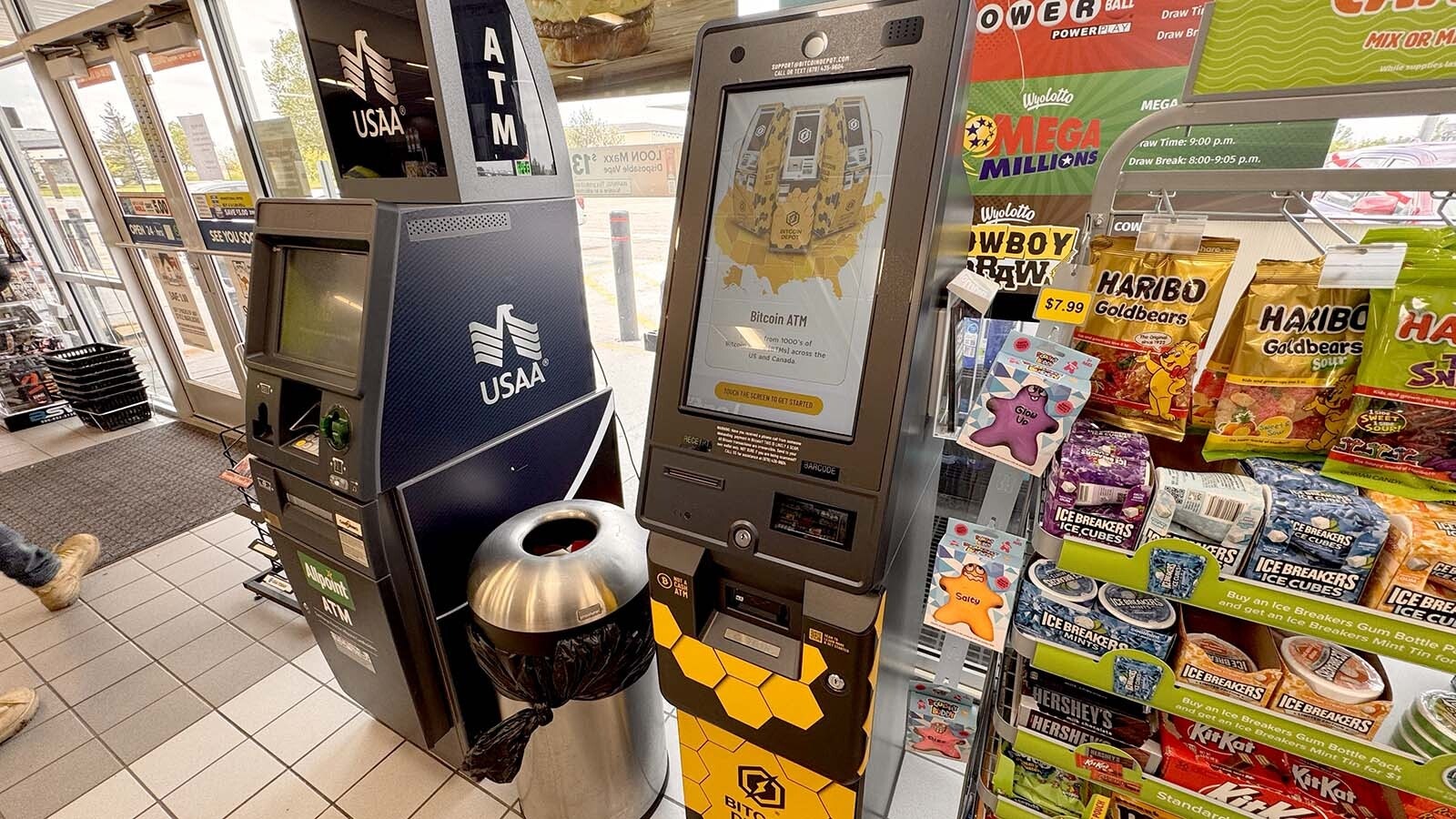
Wyoming Scammers Drain Millions via Crypto ATMs
In the rugged landscapes of Wyoming, a digital threat is quietly eroding the financial security of residents. Crypto ATMs, those sleek machines resembling traditional bank kiosks, have become the gateway for sophisticated scams that have siphoned over $4.6 million from victims in just three major cities. With Gillette bearing the brunt at $3 million in losses, law enforcement is sounding the alarm on this growing menace.
The Rise of Crypto ATMs in Wyoming
Cryptocurrency automated teller machines (ATMs) allow users to buy digital currencies like Bitcoin using cash, without the need for online exchanges. According to AARP estimates, Wyoming hosts around 45 such machines statewide, with 11 concentrated in Cheyenne alone. Brands like Bitcoin Depot have proliferated in convenience stores such as Loaf 'N Jug, making them accessible in everyday locations from Sheridan to the southern borders.
While these devices are legal and facilitate legitimate crypto transactions, their anonymity has made them a scammer's dream. Unlike bank ATMs, crypto machines don't require ID for small transactions and enable instant global transfers, turning them into a 'virtual getaway car' for fraudsters.
How the Scams Unfold
The tactics echo classic cons like the Nigerian prince scheme or emergency bail frauds, but with a modern twist. Victims receive urgent calls or messages claiming a loved one is in peril, an arrest warrant looms, or a lucrative investment awaits. Pressured into action, they are directed to a crypto ATM to convert cash into Bitcoin and send it to a scammer-controlled wallet.
Cheyenne Police Sgt. Kevin Malatesta explains the evolution: 'Ten years ago, it was gift cards or money orders. Now, it's crypto ATMs.' The shift exploits the lack of gatekeepers—no cashiers to intervene or question suspicious behavior. Victims, often in a state of panic, comply without realizing the funds are irretrievable.
Devastating Impact Across Wyoming Cities
The financial toll is staggering. In Gillette, scammers have extracted $3 million, while Cheyenne reports at least $600,000 in 2025 scams alone. Sheridan Police Officer Liz Shafer notes $1.5 million lost over two years through fall 2025, with zero recoveries. These figures likely underrepresent the problem, excluding unreported cases and smaller towns with crypto ATMs.
Vulnerable groups, including seniors, are hit hardest. Long-term cons can drain savings over weeks or months, leaving families destitute. 'It's a newer method to get money from people,' Malatesta adds, highlighting how scammers build trust gradually before striking.
Why Recovery is Nearly Impossible
Once Bitcoin hits a scammer's wallet—a random string of letters and numbers—the money vanishes into a labyrinth of accounts. Transfers across borders, often to places like Jamaica or Nigeria, create a smokescreen that demands exhaustive forensic accounting to unravel. Shafer laments, 'We can intercept mailed cash, but crypto? That money is gone.'
Blockchain's transparency aids tracking in theory, but speed and volume overwhelm investigators. International cooperation is rare, and by the time authorities act, funds are laundered through mixers or converted to other assets.
Law Enforcement's Battle Against Crypto Fraud
Wyoming's police departments are adapting to this digital frontier. In Cheyenne, Malatesta's team handles cases where victims pour money into scams over extended periods, sometimes up to two years. Sheridan focuses on education, but resources are stretched thin for an underreported crime.
Statewide, the issue spans from northern Sheridan to southern Cheyenne, infiltrating even rural outposts. Law enforcement urges reporting to agencies like the FBI's Internet Crime Complaint Center (IC3), but prevention remains key.
Protecting Yourself from Crypto ATM Scams
Stay vigilant: Never send crypto to strangers, especially under duress. Verify claims independently—call authorities directly using official numbers, not provided ones. If pressured for quick cash via ATMs, pause and consult a trusted advisor.
Financial institutions and apps now offer scam alerts, and Wyoming's elder abuse hotlines provide support. Educate family on red flags: unsolicited investment pitches, romance scams promising riches, or threats demanding immediate payment.
For businesses hosting crypto ATMs, displaying warning signs and training staff to spot distress can help. Regulators are pushing for better oversight, like transaction limits and ID requirements, to curb abuse without stifling innovation.
The Broader Implications for Crypto Adoption
This Wyoming crisis underscores a national challenge as crypto ATMs expand across the US—over 30,000 nationwide. While they democratize access to digital finance, they also amplify risks for the unwary. As blockchain evolves, so must consumer protections and law enforcement tools.
Wyomingites aren't alone; similar scams plague states from California to New York. Yet, with awareness, communities can fight back. By demystifying crypto ATMs and empowering victims, we can stem the tide of these invisible heists.
In a state known for its wide-open spaces, closing the gaps in digital defenses is crucial. Report suspicions, stay informed, and remember: if it sounds too urgent to be true, it probably is.
