2026 Winter Olympics Start Date: Everything You Need to Know
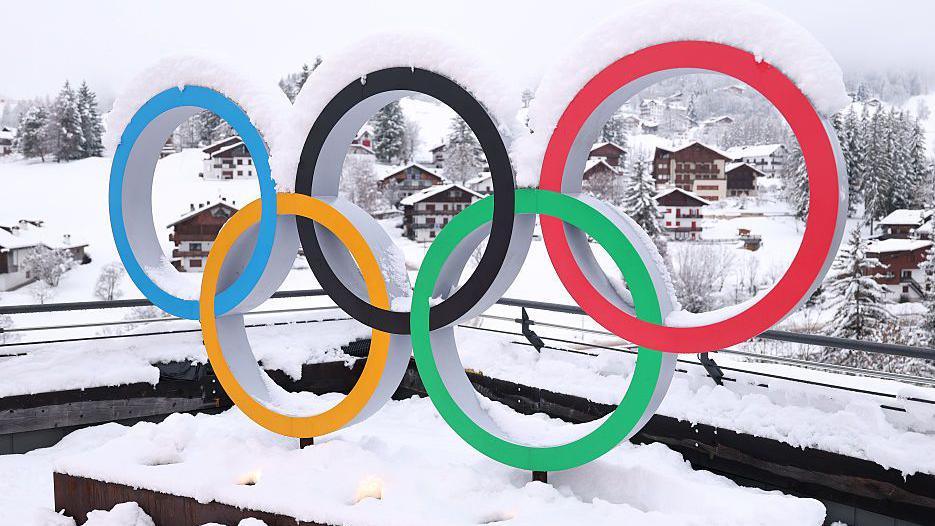
The anticipation is building as the world turns its eyes to the snowy peaks of Italy. The 2026 Winter Olympics, officially known as Milano Cortina 2026, are set to commence on February 6, 2026, running through February 22. Hosted across the stylish northern cities of Milan and the historic Alpine resort of Cortina d'Ampezzo, these Games promise a blend of tradition and innovation. For U.S. fans, this marks a thrilling return to European soil since the 2018 PyeongChang edition, with American athletes eyeing podium finishes in staples like figure skating, snowboarding, and ice hockey.
Why the 2026 Games Are a Milestone
Marking the 25th edition of the Winter Olympics, Milan-Cortina will feature a record-breaking 116 medal events—up from just 24 in the 1956 Games held in the same region. This expansion reflects the evolving nature of winter sports, introducing ski mountaineering as a new discipline with three medal opportunities. The event's dual-host setup, combining Milan's urban vibe with Cortina's mountainous charm, ensures a diverse spectacle. Opening ceremonies will dazzle from Milan's iconic San Siro Stadium, while competitions span venues from high-speed bobsleigh tracks to pristine ski slopes.
For Americans, the Games hold special significance. The U.S. Olympic & Paralympic Committee (USOPC) has ramped up preparations, with training camps in Colorado and Utah simulating the Italian terrain. Expect stars like Nathan Chen in figure skating and the U.S. women's hockey team, fresh off their 2022 silver, to shine. The total athlete count is projected at around 3,000, with the U.S. delegation aiming for a strong showing after securing 25 medals in Beijing 2022.
A Focus on Gender Equality
These Olympics are poised to be the most gender-balanced yet. Women will participate in 53.4% of medal events, a Games record, with 50 women's competitions and 12 mixed events. New additions include women's luge doubles, individual large hill ski jumping, and a mixed skeleton relay. Twelve of the 16 disciplines will achieve full gender parity in athlete numbers. This progress underscores the International Olympic Committee's (IOC) commitment to inclusivity, led by first female president Kirsty Coventry.
However, challenges remain. Nordic combined, the only Winter Olympic sport without women's events, was controversially excluded from 2026 despite advocacy from top athletes. The IOC cited logistical hurdles, but pressure mounts for future inclusion, highlighting ongoing efforts to level the playing field.
The Return of NHL Stars to Ice Hockey
One of the biggest buzzes for U.S. audiences is the NHL's decision to release players for the Olympics, ending a 12-year absence. Last seen in 2014 Sochi, where Canada triumphed, NHL stars like Auston Matthews (Toronto Maple Leafs) and Jack Eichel (Vegas Golden Knights) will don Team USA jerseys. This boosts hopes for a first men's gold since the legendary 1980 'Miracle on Ice' upset against the Soviets.
Russia's ban due to the 2022 invasion of Ukraine clears the path further, with 11 of the 12 competing teams featuring NHL talent. Defending champions Finland, along with Sweden and Slovakia, boast deep rosters. The U.S. vs. Canada rivalry could steal the show, echoing past Olympic thrillers. Venue concerns in Milan, including ice quality at the main rink, were resolved just in time, ensuring top-tier play.
Britain's Bold Medal Ambitions
While U.S. fans focus on hockey and freestyle events, global storylines abound. Great Britain eyes its best-ever Winter Olympics performance, targeting four to eight medals after a modest 2022 haul. UK Sport's funding has propelled talents like curler Eve Muirhead, who leads as Team GB's chef de mission, and young guns Mia Brookes in snowboarding and Kirsty Muir in freestyle skiing. Recent World Championship successes in bobsleigh, skeleton, and curling fuel optimism, though past shortfalls remind of the competition's intensity.
Evolution from 1956: A Transformed Spectacle
Cortina d'Ampezzo's return as a host—last in 1956—highlights the Olympics' growth. Back then, 1,266 athletes competed in 24 events across four sports. Today, nearly 3,000 will vie in 16 disciplines, with events fivefold and athletes nearly quadrupled. No single resort could handle the scale alone, hence the Milan-Cortina split. Sustainability is key: Organizers emphasize eco-friendly venues, reusing infrastructure from the 1956 Games where possible, and promoting carbon-neutral transport.
For U.S. viewers, NBCUniversal's broadcast deal ensures comprehensive coverage, with streaming on Peacock for every event. Time zones favor East Coast mornings for key competitions, making it accessible for families and fans.
New Sport Spotlight: Ski Mountaineering
Debuting with sprint, individual, and mixed relay events, ski mountaineering combines uphill skiing, climbing, and downhill racing. Athletes like Switzerland's Marcel Hirscher, a multiple Alpine skiing world champion, could dominate. This addition diversifies the program, appealing to adventure sports enthusiasts and broadening the Games' appeal.
How to Watch and Prepare
As February 6 approaches, gear up with official merchandise and follow IOC updates. Tickets went on sale in late 2023, with packages for U.S. travelers via travel partners. Virtual reality experiences and fan zones in major cities will amplify the excitement stateside.
The 2026 Winter Olympics aren't just a two-week event; they're a celebration of human endurance, equality, and winter's magic. From the starting gun on February 6, expect moments that inspire generations. Stay tuned to Everythiiing.com for live updates, athlete profiles, and expert analysis as Milan-Cortina makes history.